




Pet Poop Patrol: What Your Pet’s Droppings Reveal

As a pet owner, regular mine clearing in your garden is a daily task. Apart from being a straightforward, if yucky, hygiene chore, this poop patrol mission can play a part in monitoring your pet’s health. […]

How To Keep Your Dog Stress-Free

When a dog experiences stress, it triggers a physiological and behavioural response known as the “fight-or-flight” reaction. This reaction helps them deal with perceived threats or challenges, but if prolonged or frequent, it can have negative consequences on their physical and mental well-being. […]

How to Keep Your Cat Stress-free

Despite its independent nature, a cat can experience stress just like any other animal.

How To Care For A New Puppy Or Kitten

Welcoming your newly adopted fur bundle into the home is always an exciting moment. While caring for a new puppy or kitten is a big responsibility, it’s also a lot of fun. […]

What You Need To Know About Pugs

Pugs are a popular breed of dog that have captured the hearts of many due to their playful and affectionate nature. However, their adorable looks and lovable personalities come with several health risks that owners should take into account. […]

Separation Anxiety In Dogs

Separation anxiety is a prevalent behavioural issue that affects many dogs when they are apart from their owners. It can be upsetting for both the dog and the owner, but with the right knowledge and training, it can be effectively managed. […]

Giving A Shelter Cat A New Family

Adopting a shelter cat can be a wonderful experience. Not only are you giving a loving home to an animal in need, but you are also gaining a furry companion who will provide you with love and companionship for years to come. […]

Anal Gland Problems In Dogs

Small dog breeds and overweight dogs seem to be particularly prone to anal gland problems, but it can affect larger breeds as well. […]

Maintaining Your Pet’s Immune System

Making sure that your beloved pet is resistant to infections, toxins, pathogens, and other causes of illness starts by knowing what the immune system is and what it does. […]

Puppy Growth And Development

Caring puppy owners have a simple set of hopes for their new family member, happiness and health. But there are other equally important expectations such as your pup being well-mannered, easy to manage, and capable of following commands. […]

Be A Good Puppy Owner, Don’t Miss Vaccinations

The Basics About Puppy Vaccinations: It’s probably safe to say that very few things compare to literal puppy love. Puppies are fluffy, smell amazing and look adorable. […]

Let’s Take A Look At Pollen Allergy in Pets

Just like humans, dogs and cats can be allergic to pollen which is an inhalant allergen. During allergy season, when pollen counts are very high, allergies can flare up. […]

Dental Disease In Dogs

Dental disease in dogs can cause unrelenting pain, however clinical signs may be subtle and easily missed by pet owners. […]

Feline Acne

Does your cat have darkish bumps or what seem to be scabs under the chin? On closer inspection, you could discover them to be comedones, widely known among us non-specialised folk as blackheads. […]

Caring For Your Toothless Dog

All pet parents occasionally worry about their canine companions becoming toothless in later years and wonder how this would affect their health and quality of life. […]

Why Does My Cat Drool?

Cats can drool for many reasons, some benign but some may be cause for further investigation. […]

What Are Pet Vaccines And Why Are They Important?

The importance of pet vaccinations cannot be emphasized enough. Apart from helping to keep your pets safe and healthy, they also work against the spreading of dangerous (and some deadly) diseases. […]

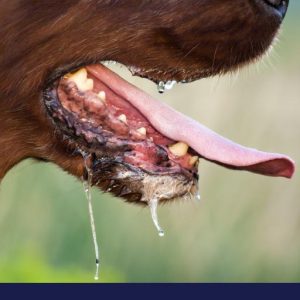
Close up of dog drooling

Rabies: Diagnosis, Prevention & The Value Of Vaccination

Rabies is a dangerous, fatal viral disease that can be contracted by animals and humans. Rabies is mainly transmitted by infected wildlife like bats. […]

Take Your Cat To The Vet Day

National Take Your Cat To The Vet Day reminds us that cats require just as much care as we do. Regular check-ups keep your cat happy and healthy, and give pet owners peach of mind. […]

What Your Dog’s Bad Breath Means

Bad breath (halitosis) in dogs is not uncommon but that doesn’t mean you shouldn’t worry about it. In addition to being unpleasant it can mean your dog has a health issue or is suffering from a disease. […]

picture of dog sitting on bench with atlas globe behind him

World Rabies Day – Awareness & Prevention Efforts

Rabies spreads when the saliva of an infected animal – through a bite or otherwise – comes into contact with broken skin (which includes scabs) or the eyes, nose or mouth of another animal or person. World Rabies […]

Defining Feline Lifestyle Risk

Cats do not all have the same lifestyle. Understanding the risks associated with lifestyle is very important to adequately protect your companion. […]

World Veterinary Day

The World Veterinary Association (WVA) created this annual event, observed on the last Saturday of April every year, to celebrate the incredible work veterinarians do to protect animal health and welfare around the world. […]

Stages And Treatment Of Gum Disease In Cats

Cats, like humans and dogs, can develop gum disease when food particles remain on and around the teeth. […]

What You Should Know About Oral Health Assessments For Cats

Dental disease in cats might not be completely preventable, but good oral hygiene can make a significant difference when it comes to promoting the overall health of your cat. […]

Pet Immunization

August is National Vaccination Awareness Month, raising awareness about the importance and timely immunization of pets and the value of booster shots to keep pets safe from diseases […]

What You Need To Know About Zoonotic Diseases

A zoonotic disease (or zoonosis) is a type of disease that passes from an animal or insect to a human. […]

An Argument for Splitting Up Vaccines in Small Dogs

A study, namely ‘Adverse events diagnosed within three days of vaccine administration in dogs’ by GE Moore [2005], has indicated that a greater percentage of small dogs experience vaccine-associated adverse events (VAAEs). […]

What to Know & Consider Before Adopting A Shelter Pet

When you adopt a pet, they become part of your family. So – before you make a decision – take everyone’s health, safety and happiness into consideration, not to mention the financial responsibilities of being a pet parent. […]

Why Chocolate Is Bad For Dogs

To spread awareness and help avoid tragedies, we are reaching out to talk about the dangers chocolate holds for pets. […]

Vital Reasons Why You Should Clean Up After Your Dog

Here are some important reasons why you should pick up your pet’s waste […]

Companion Animals and Coronavirus

There are various types of coronaviruses. This article looks at the differences between the two types you should know about. […]

Reasons Why You Should Spay or Neuter Your Pet

Spreading awareness and educating others about the importance of spaying or neutering your pet can help everyone become more responsible and caring pet owners as well as offer significant health benefits to your pet. […]

Responsible Pet Owners Month In A Nutshell

Pets are not accessories, they’re family members. They have feelings and deserve the best care. […]

Instructions for Identifying Cat Worms

Because it is relatively easy for a cat to acquire worms, it is a good idea to know the warning signs before the problem becomes unmanageable. […]

Zoonotic Disease Risks of Sandboxes

Sandboxes can be breeding grounds for parasites brought in by infected animals, such as cats, dogs, raccoons and rodents using them as giant litter boxes. […]

An Overview: Control of Feline Parasites

A parasitic infection in cats is characterized by one or more parasites using the feline as a host. Internal parasites (endoparasites) enter the body of the feline and can live in the heart, liver, lungs, intestine, or stomach. […]

Fleas, Ticks and Ear Mites on Cats

Ectoparasites are external parasites that live on the outer surface of the host and generally attach themselves during feeding. […]

What You Should Know About Senior Dogs

As dogs get older, their needs change. So, here are a few things you should know about senior dogs. […]

Advances In Vaccines For Cats

There are many myths out there about vaccines for cats. However – regardless of what you’ve seen or heard […]

Protect Your Dog From Serious Diseases With Vaccines

You can help protect your dog from serious diseases by following a routine vaccination program. […]

Are Cats More At Risk For Worms In Warmer Weather?

Canada’s climate affects the prevalence of gastrointestinal parasites, such as worms, in cats. As with many other parasites, the risk of infection increases in warmer months. […]

Here’s How To Improve Your Cat’s Well-being

There is a common misconception that cats are low-maintenance pets. They’re not high-maintenance pets, but they need certain things. A lot of these responsibilities are easy to uphold and becomes routine; others only require occasional attention. […]

Here’s How To Improve Your Dog’s Well-being

To keep your dog physically healthy you need to prioritize quite a few things. Fortunately, most of these responsibilities are easy to uphold and will quickly become routine; others only need to happen occasionally. […]

Cat Healthy Coat and Skin

Does Your Cat Have A Healthy Coat & Skin?

The state of your cat’s skin and coat can give you a good idea of his or her general health. A smooth and shiny coat is ideal, but a coarse, brittle coat usually needs attention. […]

Dog coat and skin

Does Your Dog Have A Healthy Coat & Skin?

The state of your dog’s skin and coat can give you a good idea of his or her general health. In terms of skin, supple and clear skin is healthy, while greasy, flaky and bumpy skin is worrisome. When it comes to the […]

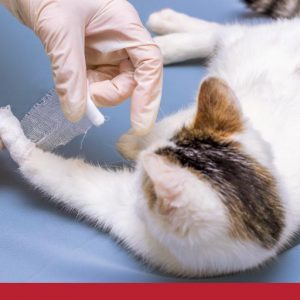
Cat on a bed receiving a bandage for paw

Bite-Wounds In Cats

When a cat’s immune system can’t clear the site of infection fast enough after a bite from another animal, the wound may become a ‘pocket of pus’, which is a liquid collection of inflammatory cells, bacteria, and damaged tissue. Because the mouth is associated with bacterial populations, bite […]

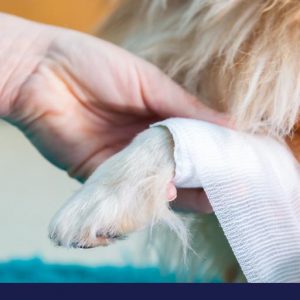
Dod receiving a bandage for paw

Bite-Wounds In Dogs

When a dog’s immune system can’t remove bacterial infection, inflammation, and damaged cells fast enough after a bite from another animal, the wound may become a ‘pocket of pus’, which is a liquid collection of inflammatory cells, bacteria, and damaged tissue. […]

What You Need To Know About Your Cat’s Oral Health

Pet owners know that their own dental hygiene is important, but not everyone knows that their pets need special oral care as well. Unchecked dental disease in cats can cause heart, lung and even kidney disease. However, if you take time to […]

Doctor checking dogs teeth

What You Need To Know About Your Dog’s Oral Health

As humans we know how important good dental hygiene is. The thing is, it’s also very important for pets, but often dismissed. If left unchecked, dental disease in dogs can cause other health problems, for example heart, lung and even kidney disease. […]

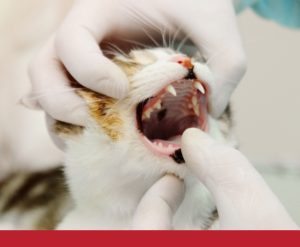
Cat receiving oral examination

Signs And Types Of Oral And Gum Disease In Cats

Cats require regular dental home care to reduce the risk of oral or gum disease. Here are several signs of oral disease in cats you should watch out for […]

How To Keep Your Dog’s Mouth Clean

The first step to keeping your dog’s mouth clean is knowing that you need to keep it clean. The Goal: Reduce bacteria in your pet’s mouth to reduce the risk of diseases and conditions. […]

Feline Tooth Resorption: What You Need to Know

Resorption is the process by which something is reabsorbed. Add the word ‘tooth’ and you get a condition that causes the disintegration of teeth. Odontoclasts (dentine-destroying cells) are responsible for the process. […]

A Healthy Mouth Vs. An Unhealthy Mouth In Dogs

It might seem a little bit strange, but a dog’s oral health is very important. Unfortunately, not everyone knows this and some don’t really believe it. What qualifies as a healthy mouth in dogs? Clean is King. That means teeth without plaque and […]

Cat Health

Taking Care Of Your Cat’s Health

Some cat owners might wonder when their pets need a visit to the veterinary. After all, many of them only go when it’s an emergency – but that’s not enough. In fact, once a year, every year, your cat(s) should see a veterinarian for a full […]

Dog Health

Taking Care Of Your Dog’s Health

Some dog owners might wonder when their pets need a visit to the veterinary. After all, many of them only go when it’s an emergency – but that’s not enough. In fact, once a year, every year, your dog(s) should see a veterinarian for a full checkup […]

Cat Mange – What You Need To Know

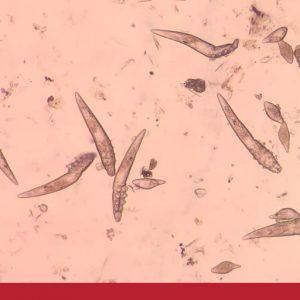
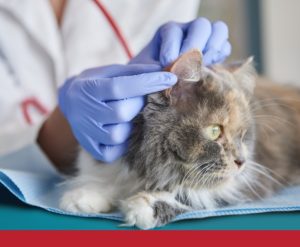
Cat mange is a very contagious skin disease. It is caused by a tiny burrowing mite species called Notoedres cati. Other names for the disease include notoedric mange and feline scabies. […]

Worms In Cats: Intestinal Parasitic Infestation

Intestinal parasites are organisms that live in the gastrointestinal tract (gut) of animals and humans. When a parasite enters a cat and starts living in the gastrointestinal (GI) tract it’s called an intestinal parasitic infestation. […]

Mosquitoes on dogs

Protect Your Dogs Against The Danger Of Mosquitoes This Summer

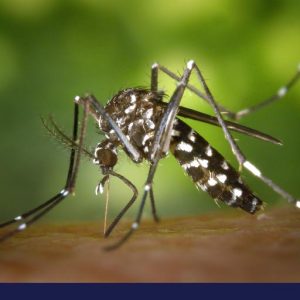
With the year already heading towards longer warmer days, man’s best friend will again face a lesser-known summer hazard: mosquitoes. Dog owners who understand the risk mosquitoes pose to the health and well-being of their dogs will be pleased to know […]

Dog scratching himself in garden

Tackling Ticks And Fleas In Your Garden

Dogs and cats that spend most of their time outdoors are at high risk of picking up ticks and fleas just lying in wait for their next unsuspecting victim. These dangerous, blood-sucking critters can affect the overall health of your pets and your loved ones […]

Rabies: How It Spreads, The Signs & Why Vaccination Is Vital

Rabies is a zoonotic viral disease, meaning a disease that normally exists in domestic and wild animals that can infect humans. It attacks the central nervous system and once symptoms […]

Leptospirosis – A Serious Bacterial Disease

Leptospirosis is an infectious disease caused by a type of bacteria called Leptospira. This bacterial disease can infect domestic animals, wildlife and humans. The disease causes fever, jaundice, kidney failure, abortion and may be fatal in severe cases. […]

Canine Cough In Dogs And Cats

Canine cough is the common name for infectious tracheobronchitis, a condition that affects the upper respiratory tract and is characterized by the inflammation of the trachea and bronchi. It is a common highly infectious respiratory illness that can affect both dogs and cats. […]

Lyme Disease And Ticks

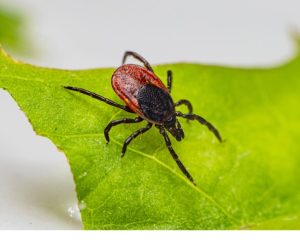
Ticks can transmit a number of diseases including Lyme disease and Rocky Mountain spotted fever, depending on the type of tick. […]

Black dog running on grass

Rabies In Pets

Whenever you hear the word ‘rabies’ you should pay attention. Mammals – for our purposes humans, dogs and cats – can all get rabies. Rabies is a deadly virus and survival is […]

As a pet owner, regular mine clearing in your garden is a daily task. Apart from being a straightforward, if
When a dog experiences stress, it triggers a physiological and behavioural response known as the "fight-or-flight" reaction. This reaction helps
Despite its independent nature, a cat can experience stress just like any other animal.

Welcoming your newly adopted fur bundle into the home is always an exciting moment. While caring for a new puppy
Pugs are a popular breed of dog that have captured the hearts of many due to their playful and affectionate
Separation anxiety is a prevalent behavioural issue that affects many dogs when they are apart from their owners. It can
Adopting a shelter cat can be a wonderful experience. Not only are you giving a loving home to an animal
Small dog breeds and overweight dogs seem to be particularly prone to anal gland problems, but it can affect larger
Making sure that your beloved pet is resistant to infections, toxins, pathogens, and other causes of illness starts by knowing
Caring puppy owners have a simple set of hopes for their new family member, happiness and health. But there are
The Basics About Puppy Vaccinations: It’s probably safe to say that very few things compare to literal puppy love. Puppies
Just like humans, dogs and cats can be allergic to pollen which is an inhalant allergen. During allergy season, when
Dental disease in dogs can cause unrelenting pain, however clinical signs may be subtle and easily missed by pet owners.
Does your cat have darkish bumps or what seem to be scabs under the chin? On closer inspection, you could
All pet parents occasionally worry about their canine companions becoming toothless in later years and wonder how this would affect
Cats can drool for many reasons, some benign but some may be cause for further investigation. […]

The importance of pet vaccinations cannot be emphasized enough. Apart from helping to keep your pets safe and healthy, they
Close up of dog drooling
Rabies is a dangerous, fatal viral disease that can be contracted by animals and humans. Rabies is mainly transmitted by
National Take Your Cat To The Vet Day reminds us that cats require just as much care as we do.
Bad breath (halitosis) in dogs is not uncommon but that doesn’t mean you shouldn’t worry about it. In addition to
picture of dog sitting on bench with atlas globe behind him
Rabies spreads when the saliva of an infected animal – through a bite or otherwise – comes into contact with
Cats do not all have the same lifestyle. Understanding the risks associated with lifestyle is very important to adequately protect
The World Veterinary Association (WVA) created this annual event, observed on the last Saturday of April every year, to celebrate
Cats, like humans and dogs, can develop gum disease when food particles remain on and around the teeth. […]

Dental disease in cats might not be completely preventable, but good oral hygiene can make a significant difference when it
August is National Vaccination Awareness Month, raising awareness about the importance and timely immunization of pets and the value of
A zoonotic disease (or zoonosis) is a type of disease that passes from an animal or insect to a human.
A study, namely ‘Adverse events diagnosed within three days of vaccine administration in dogs’ by GE Moore [2005], has indicated
When you adopt a pet, they become part of your family. So – before you make a decision – take
To spread awareness and help avoid tragedies, we are reaching out to talk about the dangers chocolate holds for pets.
Here are some important reasons why you should pick up your pet’s waste […]

There are various types of coronaviruses. This article looks at the differences between the two types you should know about.
Spreading awareness and educating others about the importance of spaying or neutering your pet can help everyone become more responsible
Pets are not accessories, they’re family members. They have feelings and deserve the best care. […]

Because it is relatively easy for a cat to acquire worms, it is a good idea to know the warning
Sandboxes can be breeding grounds for parasites brought in by infected animals, such as cats, dogs, raccoons and rodents using
A parasitic infection in cats is characterized by one or more parasites using the feline as a host. Internal parasites
Ectoparasites are external parasites that live on the outer surface of the host and generally attach themselves during feeding. […]

As dogs get older, their needs change. So, here are a few things you should know about senior dogs. […]

There are many myths out there about vaccines for cats. However – regardless of what you’ve seen or heard […]

You can help protect your dog from serious diseases by following a routine vaccination program. […]

Canada’s climate affects the prevalence of gastrointestinal parasites, such as worms, in cats. As with many other parasites, the risk
There is a common misconception that cats are low-maintenance pets. They’re not high-maintenance pets, but they need certain things. A
To keep your dog physically healthy you need to prioritize quite a few things. Fortunately, most of these responsibilities are
Cat Healthy Coat and Skin
The state of your cat’s skin and coat can give you a good idea of his or her general health.
Dog coat and skin
The state of your dog’s skin and coat can give you a good idea of his or her general health.
Cat on a bed receiving a bandage for paw
When a cat’s immune system can’t clear the site of infection fast enough after a bite from another animal, the
Dod receiving a bandage for paw
When a dog's immune system can't remove bacterial infection, inflammation, and damaged cells fast enough after a bite from another
Pet owners know that their own dental hygiene is important, but not everyone knows that their pets need special oral
Doctor checking dogs teeth
As humans we know how important good dental hygiene is. The thing is, it’s also very important for pets, but
Cat receiving oral examination
Cats require regular dental home care to reduce the risk of oral or gum disease. Here are several signs of
The first step to keeping your dog’s mouth clean is knowing that you need to keep it clean. The Goal:
Resorption is the process by which something is reabsorbed. Add the word ‘tooth’ and you get a condition that causes
It might seem a little bit strange, but a dog’s oral health is very important. Unfortunately, not everyone knows this
Cat Health
Some cat owners might wonder when their pets need a visit to the veterinary. After all, many of them only
Dog Health
Some dog owners might wonder when their pets need a visit to the veterinary. After all, many of them only
Cat mange is a very contagious skin disease. It is caused by a tiny burrowing mite species called Notoedres cati.
Intestinal parasites are organisms that live in the gastrointestinal tract (gut) of animals and humans. When a parasite enters a
Mosquitoes on dogs
With the year already heading towards longer warmer days, man’s best friend will again face a lesser-known summer hazard: mosquitoes.
Dog scratching himself in garden
Dogs and cats that spend most of their time outdoors are at high risk of picking up ticks and fleas
Rabies is a zoonotic viral disease, meaning a disease that normally exists in domestic and wild animals that can infect
Leptospirosis is an infectious disease caused by a type of bacteria called Leptospira. This bacterial disease can infect domestic animals,
Canine cough is the common name for infectious tracheobronchitis, a condition that affects the upper respiratory tract and is characterized
Ticks can transmit a number of diseases including Lyme disease and Rocky Mountain spotted fever, depending on the type of
Black dog running on grass
Whenever you hear the word ‘rabies’ you should pay attention. Mammals - for our purposes humans, dogs and cats -

HEALTH & WELLNESS

Petlife heart logo

VOTING BOOTH

Would you visit the veterinarian more frequently if:

View Results

Loading ... Loading ...

LIONS FOUNDATION OF CANADA DOG GUIDES

Lions Foundation of Canada Dog Guides and its founding program, Canine Vision Canada, was established in 1983. It’s the largest school of its kind in Canada with its training school in Oakville and breeding facility in Breslau.

LEARN MORE >>

Pet Poop Patrol: What Your Pet’s Droppings Reveal

As a pet owner, regular mine clearing in your garden is a daily task. Apart from being a straightforward, if yucky, hygiene chore, this poop patrol mission can play a part in monitoring your pet’s health.

As the saying goes, we are what we eat. In the case of our pets it could be expanded, “They are known by their food and how they have pooed”.

As pet owners, we often focus on our furry friends’ diet, exercise, and overall well-being. However, one of the most telling indicators of a pet’s health is often overlooked: their droppings. By following the “Four Cs” – Colour, Consistency, Coating, and Contents – you can gain valuable insights into your pet’s digestive health.

We’ve compiled a summary of the most common conditions with triage codes ranging from “normal” and “take remedial action” to “urgent attention needed”.

NORMAL
TAKE ACTION
URGENT


1. Colour

The colour of your pet’s stool can reveal a lot about their internal health. Normal stool colour varies depending on diet but is typically brown. Deviations from this can indicate various health issues:

Black or tarry stools (Code Red): May indicate internal bleeding in the stomach or small intestines.
Action: Seek immediate veterinary attention.

Red streaks (Code Red): Could be a sign of bleeding in the lower digestive tract.
Action: Consult your veterinarian promptly.

Yellow or gray stools (Code Amber): Might suggest liver or pancreas issues.
Action: Schedule a vet visit for further diagnostics.

White or chalky stools (Code Amber): Often seen in pets on a high-calcium diet or those with bile duct obstructions.
Action: Review diet and consult your vet for possible bile duct issues.

2. Consistency

The consistency of your pet’s stool is another critical factor. Healthy stools are usually firm and moist. The consistency can be categorised as follows:

Hard and dry (Code Amber): May indicate dehydration or dietary issues.
Action: Ensure your pet has access to fresh water and consider dietary adjustments.

Soft or mushy (Code Green): Could suggest dietary indiscretion or mild gastrointestinal upset.
Action: Monitor diet and consider a bland diet temporarily.

Liquid or diarrhea (Code Red): Often a sign of infection, parasites, or more severe digestive issues.
Action: Seek veterinary care immediately.

 3. Coating

A healthy stool should not have any coating. If you notice a slimy layer or mucus, it could indicate inflammation in the colon or other gastrointestinal issues:

Mucus (Code Amber): Often a sign of colitis or other inflammatory conditions.
Action: Consult your vet for appropriate treatment.

Greasy coating (Code Amber): Might suggest malabsorption issues, often related to the pancreas.
Action: Schedule a vet visit for further evaluation.

4. Contents

Examining the contents of your pet’s stool can provide additional clues about their health:

Undigested food (Code Green): May indicate a problem with digestion or absorption.
Action: Monitor diet and consult your vet if it persists.

Foreign objects (Code Amber): Could suggest that your pet is ingesting non-food items, which might be harmful.
Action: Ensure your pet’s environment is safe and consult your vet if needed.

Parasites (Code Red): Presence of worms or eggs can be detected through fecal testing and indicates a need for deworming.
Action: Seek veterinary treatment for deworming.

Conclusion

Regularly monitoring your pet’s droppings using the Four Cs can help you catch potential health issues early. If you notice any abnormalities, it’s essential to consult your veterinarian for further evaluation and appropriate treatment. Remember, a simple poop check can go a long way in ensuring your pet’s health and happiness.

how can dog guides help iconBOOK AN APPOINTMENT WITH YOUR VETERINARIAN TODAY TO LEARN MORE & TO GET THEM THE TREATMENT THEY NEED!  Find a veterinarian near you.

Related Articles

Taking Care Of Your Cat’s Health Read Now

Taking Care Of Your Dog’s Health Read Now

side_slide2
previous arrow
next arrow
HEALTH & WELLNESS
Petlife heart logo

VOTING BOOTH

Would you visit the veterinarian more frequently if:

View Results

Loading ... Loading ...

LIONS FOUNDATION OF CANADA DOG GUIDES

Lions Foundation of Canada Dog Guides and its founding program, Canine Vision Canada, was established in 1983. It’s the largest school of its kind in Canada with its training school in Oakville and breeding facility in Breslau.

LEARN MORE >>

How To Keep Your Dog Stress-Free

When a dog experiences stress, it triggers a physiological and behavioural response known as the “fight-or-flight” reaction. This reaction helps them deal with perceived threats or challenges, but if prolonged or frequent, it can have negative consequences on their physical and mental well-being.

Here’s what happens when a dog gets stressed:

Physiological changes:

  • Increased heart rate and breathing: This prepares the body for action.
  • Dilated pupils: This improves eyesight in potentially dangerous situations.
  • Elevated blood pressure and release of stress hormones: This increases energy and alertness.
  • Digestive changes: Appetite may decrease, or digestive upset might occur.
  • Muscle tension and panting: This prepares the body for physical exertion.

Behavioural changes:

  • Pacing, fidgeting, and restlessness: Unable to relax due to increased arousal.
  • Whining, barking, or vocalisations: Expressing discomfort or anxiety.
  • Hiding or seeking attention: Trying to escape the stressful situation or seeking reassurance.
  • Licking, excessive grooming, or destructive behaviours: Coping mechanisms to deal with anxiety.
  • Aggression or withdrawal: Can occur in extreme cases as a defense mechanism.

Long-term effects of chronic stress:

  • Weakened immune system: Making them more susceptible to illness.
  • Skin and digestive problems: Stress can manifest in physical symptoms.
  • Anxiety and behavioural issues: Fearfulness, phobias, or aggression can develop.
  • Changes in appetite and sleep: May eat less or more and have trouble sleeping.

It’s important to recognise the signs of stress in your dog and take steps to manage it.

Here are some tips on keeping your dog stress-free:

Physical and Mental Stimulation:

Regular exercise: Engage in daily walks, runs, or playtime sessions tailored to your dog’s breed and age. Physical activity helps burn energy, prevent boredom, and release endorphins, which contribute to well-being.

Mental stimulation: Keep your dog’s mind engaged with puzzle toys, chew toys, scent work activities, or training sessions. This helps prevent boredom and destructive behaviours.

Social interaction: Schedule playtime with other dogs (if your dog enjoys it) or ensure they have positive interactions with people outside the household.

Predictable Routine and Safe Space:

Maintain a consistent routine: Set regular feeding times, walks, and playtime schedules. This helps dogs feel secure and predictable.

Provide a safe space: Give your dog a designated area, like a crate or bed, where they can retreat and feel safe during stressful situations.

Minimise loud noises: Loud noises can be startling for dogs. Turn down the TV, close windows during fireworks, and create a calmer environment when possible.

Positive Reinforcement and Management:

Positive training: Use positive reinforcement methods like praise, treats, and clicker training to encourage good behaviour and build trust.

Desensitisation and counterconditioning: If your dog has specific triggers for stress, gradually expose them to the triggers in a positive way to help them overcome their fear.

Body language awareness: Pay attention to your dog’s body language (e.g., tucked tail, flattened ears) and avoid situations that might cause them stress.

Additional Tips:

Dietary considerations: Talk to your veterinarian about ensuring your dog’s diet provides proper nutrients that can help manage stress.

Veterinary care: Regular checkups are crucial to rule out any underlying medical conditions that could contribute to stress.

Consider calming aids: Natural calming aids like calming chews or pheromone diffusers can sometimes be helpful, but consult your veterinarian first.

Remember, every dog is an individual with unique needs. Observe your furry friend and adapt these tips to their specific personality and triggers. If you’re concerned about your dog’s stress levels, consult a professional dog trainer or behaviourist for personalised guidance.

how can dog guides help iconDid you notice any concerning changes in your dog’s behavior or health? Act now! Consult with your veterinarian today!
Find a veterinarian near you.

side_slide2
previous arrow
next arrow

HEALTH & WELLNESS

Petlife heart logo

VOTING BOOTH

Would you visit the veterinarian more frequently if:

View Results

Loading ... Loading ...

LIONS FOUNDATION OF CANADA DOG GUIDES

Lions Foundation of Canada Dog Guides and its founding program, Canine Vision Canada, was established in 1983. It’s the largest school of its kind in Canada with its training school in Oakville and breeding facility in Breslau.

LEARN MORE >>

How to Keep Your Cat Stress-free

Despite its independent nature, a cat can experience stress just like any other animal.

Here’s a breakdown of some common causes and symptoms to watch out for:

Causes of Stress in Cats:

Changes in environment:
This includes new pets, babies, furniture rearrangements, loud noises, construction, or even changes in your routine.

Feeling unsafe or threatened: This can be due to other animals, strangers, loud noises, or unfamiliar situations like veterinary visits or travel.

Lack of resources: This includes not having enough litter boxes, food and water bowls, hiding spots, or vertical space to climb and explore.

Medical conditions: Pain, illness, or even dental problems can contribute to stress.

Boredom or lack of stimulation: Cats need mental and physical stimulation through play, hunting games, and exploration.

Symptoms of Stress in Cats:

Behavioural changes: This can include hiding, aggression, excessive vocalisation (meowing, hissing), over-grooming, scratching furniture or carpets, urinating or defecating outside the litter box, and changes in appetite.

Physical changes: These can include dilated pupils, flattened ears, tense body posture, tail twitching, rapid breathing, vomiting, diarrhea, and changes in sleep patterns.

Here are some tips on keeping your feline friend happy and relaxed:

Provide a Calming Environment:

  • Vertical Space: Cats feel secure when they can climb and perch high up. Offer cat trees, shelves, or window perches.
  • Hiding Spots: Give your cat multiple places to hide and feel safe, like cardboard boxes, covered beds, or tunnels.
  • Calming Music: Classical music or nature sounds can sometimes be soothing for cats.
  • Routine: Maintain a consistent feeding schedule and playtime routine to provide predictability.
  • Minimise Noise: Cats dislike loud noises. Turn down the TV when they’re around and avoid sudden loud noises.

Enrichment and Play:

  • Interactive Toys: Engage your cat in daily playtime with wand toys, puzzle feeders, or feather teasers.
  • Mental Stimulation: Consider food puzzles, treat-dispensing toys, or window bird feeders to keep them mentally stimulated.
  • Scratching Posts: Offer multiple scratching posts in different textures and locations to cater to their scratching needs.
  • Sunshine Access: Let your cat bask in natural sunlight through windows or outdoor access (supervised).

Positive Interaction and Respect:

  • Respect Their Body Language: Pay attention to your cat’s body language and avoid forcing interaction when they seem stressed.
  • Handling: Gently but firmly handle your cat and respect its boundaries.
  • Positive Reinforcement: Reward good behaviour with petting, treats, or praise.
  • Offer a Catio: If possible, consider a secure catio for outdoor exploration under controlled conditions.

Additional Tips:

  • Introduce changes gradually: If you need to make changes to their environment, do so slowly and allow them time to adjust.
  • Minimise visitors: If you have guests, provide a safe space for your cat to retreat to if they feel overwhelmed.
  • Consider a pheromone product. These can sometimes help reduce stress and anxiety in cats.
  • Talk to your Veterinarian: If you’re concerned about your cat’s stress levels, consult your veterinarian for professional advice and potential underlying medical causes.

Remember, every cat is unique with its own preferences. Observe your furry friend and tailor these tips to their specific needs to keep them happy and stress-free!

how can dog guides help iconBOOK AN APPOINTMENT WITH YOUR VETERINARIAN TODAY TO LEARN MORE & TO GET THEM THE TREATMENT THEY NEED!  Find a veterinarian near you.

Related Articles

Stress In Pets And Digestion Read Now

Tips For Safe, Stress-Free Pet Travel Read Now

Stress In Dogs Read Now

side_slide2
previous arrow
next arrow

HEALTH & WELLNESS

Petlife heart logo

VOTING BOOTH

Would you visit the veterinarian more frequently if:

View Results

Loading ... Loading ...

LIONS FOUNDATION OF CANADA DOG GUIDES

Lions Foundation of Canada Dog Guides and its founding program, Canine Vision Canada, was established in 1983. It’s the largest school of its kind in Canada with its training school in Oakville and breeding facility in Breslau.

LEARN MORE >>

How To Care For A New Puppy Or Kitten

Welcoming your newly adopted fur bundle into the home is always an exciting moment. While caring for a new puppy or kitten is a big responsibility, it’s also a lot of fun.

Here are some essential tips on doing the best for your new furry friend:

1. Provide a safe and comfortable home:

Choose a quiet and secure place for your pet to sleep and rest.

Make sure your home is hazard-free by placing poisonous plants, electrical cords, and objects that could be swallowed out of reach.

These are some ideas for providing your new puppy or kitten with excellent housing:

  • A crate makes a great den for your puppy or kitten offering a safe and secure place to sleep and rest. Potty training can also be started here.
  • A playpen is a safe and enclosed space to play. These are helpful if your home is large or for keeping your pet away from certain areas.
  • Cat trees provide kittens with climbing, scratching, and perching spots while helping to prevent them from tearing up the furniture.
  • Toys to keep them entertained because puppies and kittens need plenty of distractions.
  • A harness and leash are essential for training your puppy.
  • Trim your puppy or kitten’s nails regularly to prevent overgrowth and discomfort.
  • A dog bed is a comfortable place to sleep and rest.
  • Every cat owner should have a litter box. Keep it in a quiet and easily accessible place.
  • Food and water bowls should be made of a strong material that is easy to clean.

2. Feeding schedules:

Feed your puppy or kitten appropriate, high-quality food suited to their age and breed.

  • A feeding routine is essential for healthy growth and development. Puppies generally need feeding more frequently than kittens, and smaller breeds eat more often than larger breeds.
  • Your veterinarian will help you set a suitable feeding schedule for your kitten or puppy according to their breed, age, and activity level.
  • Select regular mealtimes and adhere to them. This helps your puppy or kitten set their inner feeding clock which reduces begging or untimely hunger.
  • Fresh water must always be available.
  • A distraction-free area will help set your pet’s feeding routine and prevent messy eating habits.
  • Always measure the food portions and provide the correct amount. Overfeeding and underfeeding can cause obesity or malnutrition.
  • Select high-quality puppy or kitten food formulated for their age and developmental stage. Your veterinarian will give specific recommendations based on an individual pet’s needs.
  • Keep an eye on your puppy or kitten’s eating habits to make sure they remain regular. Any drastic changes should be reported to your veterinarian.
  • Free-choice feeding is convenient but can lead to overfeeding and obesity. A structured feeding schedule with set mealtimes is the best option.
  • Changing from “baby” food to adult food should happen gradually over a week or two to avoid upsetting their digestion.
  • Giving your puppy or kitten table scraps or human food is a no-no. Such meals can disrupt a pet’s digestive system and often lead to unhealthy eating habits.

 3. Housetraining should begin early:

Immediately after waking up, puppies should be taken outside to relieve themselves. This also applies to after mealtimes and before bedtime.

Instinctively hygienic, kittens will use a litter box, but you may need to show them where it is and how to use it.

Praise and treat your puppy or kitten when they follow the toilet rules you are teaching them.

4. Socialising your pet:

Expose your puppy or kitten to different people, animals, and experiences from a young age to help them become well-socialised.

Enroll your puppy in obedience classes to learn basic commands.

5. Veterinary services

Your puppy or kitten should see the veterinarian for a check-up as soon as possible after adoption.

Always keep up to date on pet vaccinations.

Unless you intend to breed your pet, have them spayed or neutered.

Additional tips

  • Provide plenty of exercise
  • Show your pet love and attention
  • Be patient
  • Don’t punish but use positive reinforcement
  • Be consistent with your rules and expectations

Most important of all: Enjoy sharing a lifetime of memories with your new furry friend.

how can dog guides help iconBOOK AN APPOINTMENT WITH YOUR VETERINARIAN TODAY TO LEARN MORE & TO GET THEM THE TREATMENT THEY NEED!  Find a veterinarian near you.

Related Articles

Taking Care Of Your Cat’s Health Read Now

Taking Care Of Your Dog’s Health Read Now

side_slide2
previous arrow
next arrow
HEALTH & WELLNESS
Petlife heart logo

VOTING BOOTH

Would you visit the veterinarian more frequently if:

View Results

Loading ... Loading ...

LIONS FOUNDATION OF CANADA DOG GUIDES

Lions Foundation of Canada Dog Guides and its founding program, Canine Vision Canada, was established in 1983. It’s the largest school of its kind in Canada with its training school in Oakville and breeding facility in Breslau.

LEARN MORE >>

What You Need To Know About Pugs

Pugs are a popular breed of dog that have captured the hearts of many due to their playful and affectionate nature. However, their adorable looks and lovable personalities come with several health risks that owners should take into account.

In this article, we touch on their history, common ailments, and what owners can do to keep their pets happy, healthy, and in great condition.

THE HISTORY OF PUGS

Pugs have a long and fascinating history. Originating in China, they were named Lo Sze and bred as lapdogs and companions to Chinese nobility. Making the long journey west on merchant ships and along the fabulous Silk Road, the earliest Pug ancestors were brought to Europe by traders in the 16th century, where they became popular among the aristocracy. In the 19th century, Pugs were imported into England, where they quickly became a favoured breed. Some think their English name derives from the word “pugilist” meaning a fist fighter or boxer. Their flat faces and squashed noses seem to bear out this theory. Today, Pugs are beloved all over the world for their unique appearance and friendly personalities.

BREEDING PRACTICES

In an effort to develop the Pug’s distinctive features, some owners engaged in overly selective breeding. Unfortunately, this has made them susceptible to several ailments. Being a brachycephalic breed, they have short wrinkly snouts and flat faces, features that can cause a number of health issues that are common among these quaint little dogs. Additionally, their stout, barrel-shaped bodies are prone to obesity. Their very popularity led to the practices that exacerbated these risks. Many veterinary health authorities are warning that aging Pugs will become subject to serious health crises.

HEALTH RISKS

Pugs are prone to several health problems that can significantly impact their quality of life. Some of the most common include respiratory difficulties, eye diseases, dental issues, and skin problems. The respiratory complaints occur due to their short snouts and flat faces. The narrowed nasal passages cause difficulty breathing also known as brachycephalic obstructive airway syndrome. Along with Boxers, Bulldogs, and other short-snouted breeds, Pugs are more susceptible to seizures than dogs with unobstructed airways. This is thought to occur since insufficient oxygen reaches the brain, especially when they are over-excited or over-exercised. Because of the restricted airflow, they also cannot cool themselves effectively which leads to overheating. Their protuberant eyes can easily be damaged and exposed to afflictions such as dry eye, corneal ulcers, and cherry eye. All signs of eye infections should be monitored and treated to avoid them becoming serious. Dental decay is common due to the Pug’s small jaw and crowded teeth. Skin allergies and disorders such as bacterial infections that start in the facial folds and wrinkles occur frequently.

CARING FOR YOUR PUG

As an owner, there are several steps you can take to help prevent or manage your Pug’s health challenges.

First and foremost, choose your pet from a reputable breeder who prioritizes the health of their dogs. Be sure to provide your Pug with enough but not too much exercise and a healthy diet to help prevent obesity, which can exacerbate breathing difficulties. Their faces should be kept clean with particular attention to ensuring that their cute wrinkles remain germ-free. To keep your pet safe from overheating, keep them inside during the hottest parts of the day and avoid strenuous exercise during very warm weather. Provide easy access to cool, clean water and keep these enthusiastic eaters at a healthy weight. Regular veterinary checkups are also important to catch any maladies early and ensure that your Pug is up to date on vaccinations.

Finally, be mindful of your Pug’s unique needs and limitations. They are adorable companions and understanding their history and potential health risks empowers owners to provide them with the best care. By being proactive and knowledgeable, you can ensure the well-being and longevity of your beloved furry friend.

how can dog guides help iconBOOK AN APPOINTMENT WITH YOUR VETERINARIAN TODAY TO LEARN MORE & TO GET THEM THE TREATMENT THEY NEED!  Find a veterinarian near you.
side_slide2
previous arrow
next arrow
HEALTH & WELLNESS
Petlife heart logo

VOTING BOOTH

Would you visit the veterinarian more frequently if:

View Results

Loading ... Loading ...

LIONS FOUNDATION OF CANADA DOG GUIDES

Lions Foundation of Canada Dog Guides and its founding program, Canine Vision Canada, was established in 1983. It’s the largest school of its kind in Canada with its training school in Oakville and breeding facility in Breslau.

LEARN MORE >>

Separation Anxiety In Dogs

Separation anxiety is a prevalent behavioural issue that affects many dogs when they are apart from their owners. It can be upsetting for both the dog and the owner, but with the right knowledge and training, it can be effectively managed.

In this article, we will delve into separation anxiety in dogs, its causes, symptoms, and possible solutions.

UNDERSTANDING AND TACKLING THE PROBLEM

Separation anxiety arises when dogs become overly anxious or distressed when left alone. It can present itself in various forms, including excessive barking, destructive chewing, house soiling, pacing, and attempts to escape. While it is normal for dogs to miss their owners when they are away, separation anxiety exceeds typical longing and can result in severe emotional distress.

Several factors can lead to this condition in dogs. A common cause is inadequate socialisation during puppyhood, which can result in an excessively strong attachment to their owners. Significant life changes, such as moving to a new home or the loss of a family member, can also trigger separation anxiety. Dogs that have experienced abandonment or trauma in the past may be more susceptible to developing separation anxiety.

It is crucial to recognise the symptoms of separation anxiety for early intervention. If your dog exhibits excessive distress or destructive behaviour whenever you leave, it is probably suffering from separation anxiety. Other signs may include restlessness, panting, salivating, and refusal to eat. It is important to rule out any underlying medical conditions by consulting a veterinarian before addressing the behavioural issue.

MANAGEMENT

Managing separation anxiety requires a patient and systematic approach. Begin by gradually desensitizing your dog to your departures. Practice short periods of separation and gradually increase the duration over time. Provide your dog with a safe and comfortable space, such as a crate or designated room, where they can retreat and feel secure. Leave them with stimulating toys or treats to keep them occupied and distracted.

Counterconditioning can also help alleviate separation anxiety. Associate your departure cues, such as picking up keys or putting on shoes, with positive experiences like treats or playtime. This will help your dog form a positive association with your departures and reduce anxiety. Engaging your dog in regular exercise and mental stimulation can also help expend energy and reduce stress.

In severe cases, professional help or even medication may be necessary. A certified dog trainer or behaviourist can develop a customised behaviour modification plan tailored to your dog’s specific needs. They may recommend techniques such as desensitization and counterconditioning. A veterinarian must be consulted in extreme cases that require anti-stress medication.

SPECIAL CONSIDERATIONS

Remember, addressing separation anxiety takes time and consistency. It is essential to be patient and understanding with your dog throughout the process. Avoid punishment or scolding, as it can worsen anxiety and reinforce negative behaviour.

In conclusion, separation anxiety is a challenging issue that many dogs and their owners face. By understanding the causes, recognising the symptoms, and implementing appropriate training techniques, separation anxiety can be effectively managed. With love, patience, and a structured approach, you can help your furry friend overcome their anxiety and develop a sense of security even when you are not by their side.

how can dog guides help iconBOOK AN APPOINTMENT WITH YOUR VETERINARIAN TODAY TO LEARN MORE & TO GET THEM THE TREATMENT THEY NEED!  Find a veterinarian near you.
side_slide2
previous arrow
next arrow

HEALTH & WELLNESS

Petlife heart logo

VOTING BOOTH

Would you visit the veterinarian more frequently if:

View Results

Loading ... Loading ...

LIONS FOUNDATION OF CANADA DOG GUIDES

Lions Foundation of Canada Dog Guides and its founding program, Canine Vision Canada, was established in 1983. It’s the largest school of its kind in Canada with its training school in Oakville and breeding facility in Breslau.

LEARN MORE >>

Giving A Shelter Cat A New Family

Adopting a shelter cat can be a wonderful experience. Not only are you giving a loving home to an animal in need, but you are also gaining a furry companion who will provide you with love and companionship for years to come.

However, adopting a shelter cat comes with the responsibility of ensuring that the animal is healthy and protected against disease. One of the most important aspects of this is making sure that your new feline friend receives proper vaccinations.

0

Did you know that most shelter cats are vaccinated against common diseases before being adopted?

VACCINATION

It isn’t widely known that the word “vaccination” comes from the Latin root “vacca”, which means “cow”. It was given this name by Edward Jenner who studied why dairy maids who had caught cowpox were spared the often deadly and disfiguring smallpox infection. This led to the practice of infecting people with cowpox germs through a tiny wound in the skin to stave off the much more severe disease.

Three centuries later, the technique has become an essential part of almost every healthcare system. They protect us and our loved ones from a variety of potentially fatal illnesses.

In cats, these include:

  • Feline leukemia virus – FeLV is a disease that impairs a cat’s immune system and can cause cancer. It is completely preventable.
  • Feline immunodeficiency virus – In infected cats, FIV attacks the immune system, leaving the cat vulnerable to many other infections.
  • Rabies – Rabies is a viral disease that causes encephalitis (inflammation of the brain) in mammals. In humans, it is always fatal if not treated immediately. There is no treatment for animals.
  • Bordetella – This is related to kennel cough in dogs but in cats the illness is caused by a different bacteria called Bordetella felis.
  • Feline Herpesvirus Type 1 – FHV-1 is a virus that affects the upper respiratory tract and the eyes of cats. It is highly contagious and can be transmitted by direct contact with infected secretions.
  • Panleukopenia – FPV or feline distemper is a highly contagious and potentially life-threatening virus that affects the blood cells in the intestinal tract, bone marrow, and stem cells.

ADOPTING AN ADULT CAT

When you adopt an adult shelter cat, it’s important to find out which vaccinations the cat has already received. Most shelters will have already given the cats in their care their initial set of immunizations, but it’s still important to confirm this information with the shelter staff. If the cat has not yet received them, you will need to schedule appointments with a veterinarian to ensure that the cat gets the necessary shots. Adult cats also require regular boosters to maintain their immunity.

ADOPTING A KITTEN

When kittens are nursed by their mother, they receive antibodies from her milk that help fight diseases. Usually, weaning happens after eight weeks, and they get their first vaccinations around that time. A second vaccination is recommended three to four weeks after the first one, and some veterinarians suggest a third booster twelve to fourteen weeks later.

Of course, when adopting a shelter kitten or cat the adoptive parent has no idea about their new pet’s medical history. In such cases it is wise to act as if they have not been immunized and complete the regime from beginning to end.

It’s important to note that there can be a delay in the onset of some illnesses, so even if your new cat appears healthy, it’s crucial to ensure that they receive all of its vaccinations. Additionally, some vaccinations require multiple doses to provide full protection, so always follow your veterinarian’s recommended vaccination schedule to ensure that your cat is fully protected.

In conclusion, adopting a shelter cat is a wonderful way to provide a loving home to an animal in need. However, it’s important to remember that with this responsibility comes the need to ensure that your new furry friend is healthy and immunized. By doing so, you’ll be helping to safeguard your cat’s health and that of other animals around them.

how can dog guides help iconBOOK AN APPOINTMENT WITH YOUR VETERINARIAN TODAY TO LEARN MORE & TO GET THEM THE TREATMENT THEY NEED!  Find a veterinarian near you.

Related Articles

Here’s How To Improve Your Cat’s Well-being Read Now

Defining Feline Lifestyle Risk Read Now

PLCA1584-02-Side-Banners-DYK-10
HEALTH & WELLNESS
Petlife heart logo

VOTING BOOTH

Would you visit the veterinarian more frequently if:

View Results

Loading ... Loading ...

LIONS FOUNDATION OF CANADA DOG GUIDES

Lions Foundation of Canada Dog Guides and its founding program, Canine Vision Canada, was established in 1983. It’s the largest school of its kind in Canada with its training school in Oakville and breeding facility in Breslau.

LEARN MORE >>

Anal Gland Problems In Dogs

Small dog breeds and overweight dogs seem to be particularly prone to anal gland problems, but it can affect larger breeds as well.

WHAT ARE THE ANAL GLANDS?

Located on either side of the rectum are two intermuscular collapsible bodies known as the anal sacs or anal glands. The walls of the sacs are lined with tiny sebaceous glands that produce tiny quantities of potently foul-smelling (to us) exudate. The anal sacs are essential to your doggies’ social interactions because they emit scent signals that are complex and, for other dogs, rich in information about their health, condition, sex, and seniority. Knowing this helps the sniffer establish an instant, if temporary, familiarity with the sniffee. The importance of this is that it regulates dogs’ social behaviour and is critical to how they operate in doggy world.

ANAL GLAND DYSFUNCTIONS

Healthy anal glands are naturally emptied every time your dog makes a pooh. The pressure on the glands expresses the small amount of sac contents without any fuss.

Anal gland ducts can become blocked either because they are narrow (especially in small breeds) or because impaction has occurred due to weak bowel movements producing small stools that cannot exert sufficient pressure to clear the glands. Overweight, sedentary small dogs and chronically constipated larger ones are the most likely candidates to suffer from blockages.

INDICATORS

If you notice your pup straining to excrete or constantly licking and scraping its hindquarters on the ground,  it could be in discomfort from inflamed anal glands. On inspection, you’ll find these swollen and probably tender to the touch. (Need I mention that latex gloves are a good idea?)

If you are concerned that this may be the case, what should be done?

TREATMENT

The treatments fall into two categories depending on severity. The first is to apply sufficient manual pressure to clear the ducts followed by flushing with an antiseptic. This should usually be sufficient to clear up milder cases. The second is to follow up with antibiotic treatment for the dog if an infection has taken hold.

If dealing with this problem yourself is too much to stomach, many dog groomers will do the job or, as a last resort, your veterinarian’s assistant will be competent to conduct the operation, especially if the problem has progressed to stage two and there is an infection.

DON’T IGNORE THE SIGNS!

The consequences of blockages that get cleared up quickly are often restricted to mild discomfort. Unfortunately, if the blockage isn’t cleared naturally and an aggravated condition arises, veterinary treatment is essential. Any sign of persistent swelling and pus appearing at the gland openings should be regarded as medically dangerous and treated accordingly.

PREVENTION

Simply put, bulkier, more solid stools are the answer. Making sure that your dog’s diet is rich in fibre is the simplest, cheapest, and healthiest option. This, along with plenty of exercise and weight management should ensure that your beloved pooch never experiences the discomfort and indignity of having their smell signalling equipage not working properly.

The contents of this post are for informational purposes only and do not constitute professional medical advice. To have your pet’s condition accurately diagnosed, kindly see your veterinarian.

how can dog guides help iconBOOK AN APPOINTMENT WITH YOUR VETERINARIAN TODAY TO LEARN MORE & TO GET THEM THE TREATMENT THEY NEED!  Find a veterinarian near you.
side_slide2
previous arrow
next arrow
HEALTH & WELLNESS
Petlife heart logo

VOTING BOOTH

Would you visit the veterinarian more frequently if:

View Results

Loading ... Loading ...

LIONS FOUNDATION OF CANADA DOG GUIDES

Lions Foundation of Canada Dog Guides and its founding program, Canine Vision Canada, was established in 1983. It’s the largest school of its kind in Canada with its training school in Oakville and breeding facility in Breslau.

LEARN MORE >>

Maintaining Your Pet’s Immune System

Making sure that your beloved pet is resistant to infections, toxins, pathogens, and other causes of illness starts by knowing what the immune system is and what it does.

The immune system consists of the network of organs, cells, tissues, and the substances they produce that keep the body robust against diseases and other ailments. Included in this complex set of defences are the skin, tonsils, lymph system, white blood cells, bone marrow, thymus, and spleen. Each of these constituents has been the subject of voluminous research and libraries of writing, giving us far too much information to be repeated here. It’s sufficient to say that the numbers of interlinkages, interactions, and co-dependencies in this network vastly exceed the sum of the parts.

While all mammals have similar immune systems, the subtle differences in how they function, e.g., in dogs and cats, are thought to underlie the variety of autoimmune, allergic, and infectious conditions that affect our pets. To illustrate; imagine individuals’ immune systems as a point on two intersecting lines. The one being the horizontal axis with genetics at one end and environment at the other. Crossing that line is the vertical axis with overactive at the top end and underactive at the bottom. The ideal is that the lines should cross precisely in the middle, meaning that all factors are in equilibrium and the system is operating optimally. Unfortunately, this is seldom the case, and the reason is easily understood by imagining a pet with great genetics but that is malnourished due to overfeeding.

THE DIFFERENCES BETWEEN CANINE AND FELINE IMMUNITY

Dogs’ and cats’ evolutionary adaptations differ because dogs have been part of human domestic life for 15 thousand years or more and cats for somewhat less. Other factors, such as the intentional breeding of dogs, saw them lose the genetic diversity of cats. This has allowed our feline friends to have greater resistance to certain types of mite – , tick – , and flea – transmitted infections.

NUTRITION, GUT HEALTH, AND A STRONG IMMUNE SYSTEM

The immune function is related to the gut microbiome and canine and feline microbial populations show variations, which impacts on the ability to resist specific bacteria, viruses, and toxins. A suitable diet containing sufficient amounts of gut-friendly nutrients will maintain healthy levels of microflora. Sometimes it could be necessary to add supplementary amounts of omega 3 fatty acids, prebiotics and probiotics. Your veterinarian will be the best source of advice on which are required.

The study of nutrigenomics and nutrigenetics has opened up research into how the body responds to bioactive foods and other nutrients. This research has emerged as a potential means of tailoring diets according to pets’ genetic profiles. The happy outcome of such dietetics would be to keep the immune system functioning as well as possible.

IMMUNE SYSTEM DISEASES

Many disorders are caused by the immune system being overactive. These are commonly known as autoimmune diseases because the body’s defensive system cannot distinguish between its own cells and the attacking antigens. An example would be canine hypothyroidism of which 95% of cases are caused by the immune system damaging the dog’s thyroid gland. When the classic symptoms appear, the first reaction may be to add iodine supplements to the diet, but the real cause that requires treatment would be the malfunctioning autoimmune system.

Certain autoimmune diseases are commonly found in cats. One of these, haemolytic anaemia, reduces the lifetime of red blood cells. This leads to a shortage of haemoglobin, the protein compound that carries oxygen to all the cells in the body and removes carbon dioxide. Symptoms would include shortness of breath and lethargy, with the gums and inner eyelids being very pale.

Other disorders are due to the immune system being too weak or underactive to provide defences against harmful pathogens. This condition could lead to a huge variety of commonly known ailments.

As caring owners, knowing which sicknesses are actually symptoms of underlying immune system disorders and keeping our pet’s immune systems strong should be among our highest priorities.

The advice in this post is provided for informational purposes only and is not professional medical advice. To have your pet’s condition accurately diagnosed kindly see your veterinarian.

how can dog guides help iconBOOK AN APPOINTMENT WITH YOUR VETERINARIAN TODAY TO LEARN MORE & TO GET THEM THE TREATMENT THEY NEED!  Find a veterinarian near you.
side_slide2
previous arrow
next arrow

HEALTH & WELLNESS

Petlife heart logo

VOTING BOOTH

Would you visit the veterinarian more frequently if:

View Results

Loading ... Loading ...

LIONS FOUNDATION OF CANADA DOG GUIDES

Lions Foundation of Canada Dog Guides and its founding program, Canine Vision Canada, was established in 1983. It’s the largest school of its kind in Canada with its training school in Oakville and breeding facility in Breslau.

LEARN MORE >>

Puppy Growth And Development

Caring puppy owners have a simple set of hopes for their new family member, happiness and health.

But there are other equally important expectations such as your pup being well-mannered, easy to manage, and capable of following commands. Getting them to that level requires an understanding of how they grow and develop on their journey from infancy to maturity.

It is fairly standard practice that your new fur baby will move into your life at the age of seven weeks or slightly more. Till then they have been nourished on mommy’s milk and have formed bonds with her and their siblings. Inevitably, it’s painful and confusing when this separation occurs. Despite millennia of domestication, this is still an unnatural event in a dog’s life. The most normal life sequence would be to grow up as a member of the pack and learn all the necessary social and survival skills from their seniors. Despite seeming to be the worst thing that could happen to them, this is the very moment that you and your pup begin a wonderful relationship that will last for many years. As with all sensibly made life-long commitments your emotional, practical, and mental preparation makes all the difference between enjoying success or not.

Mental preparation requires understanding that what you do in the early phase of your relationship can be life-defining for the puppy and you, her new family.

Emotional preparation comes from knowing you will be entirely replacing her doggy family with your comforting presence and guidance. The first few days will usually be quite fraught as you all adjust to your new life. Fortunately, puppies are highly adaptable and their endearing playful curiosity makes managing the first few crying nights entirely worthwhile.

The practical aspect requires proper nutrition, a warm snuggly space of her own, and the first steps toward sanitary toilet habits. A really good tip is to provide a blankie or soft toy smelling of her dog mommy and erstwhile siblings. This can be arranged easily and will earn you many hours of additional rest. A simple and effective setup is a box on its side equipped with the blankie and toys and a large spread of newspaper for doing her business. Pups will generally not soil their sleeping quarters so learning that there is an allowable clean spot available is already major progress in the training stakes.

The next phase in a pup’s life is when they start testing their physical and tolerance boundaries against those around them. They are naturally trying to find out what’s allowed and what isn’t, what behaviours are encouraged and discouraged. This is a tricky time, because you may be tempted to indulge conduct that is cute and lovable in a baby, but if it continues into adulthood, is a real disadvantage. An example is randomly chewing on forbidden items. It is far better to correct them gently and firmly when they are small than explode when your Guccis are shredded three years on. Just as human babies go through teething troubles, puppies experience discomfort and outright pain which is only relieved by gnawing on tough but yielding surfaces. To help them, soak a cloth in unsalted chicken stock and freeze it. This gives their gums the necessary resistance when they chew and soothes the inflammation that accompanies emerging teeth.

Another easily anticipated emotional stage is separation anxiety. This must be dealt with early because an adult dog that acts out when left alone is a risk to itself and to your happy relationship. A simple technique is first to condition their reactions by starting with minute-long absences. These times are gradually lengthened until they are happy on their own for increasingly extended periods. Done regularly, this is not a difficult process to manage successfully and can be started within the first week or two of arrival.

The so-called fear periods are common developmental experiences in young dogs. As they undergo accelerated hormonal and environmental changes pups may have up to four such episodes before adulthood. The first usually occurs between two and three months followed by others at roughly three to four monthly intervals. They cease once your dog reaches maturity. Unsettling as they may be these natural stages help a young dog to process its role changing from helpless dependent to capable, courageous, and confident companion animal. If the behavioural changes are extreme and last more than a week or two it may be advisable to find professional recommendations on the best way forward.

With all its challenges, having a new puppy in your home is a wonderful and enriching life experience. Everyone in the family will benefit from a well-socialised loving, and loyal pooch whose presence epitomises joy and boundless appreciation.

how can dog guides help iconBOOK AN APPOINTMENT WITH YOUR VETERINARIAN TODAY TO LEARN MORE & TO GET THEM THE TREATMENT THEY NEED!  Find a veterinarian near you.

Related Article

Be A Good Puppy Owner, Don’t Miss Vaccinations Read Now

side_slide2
previous arrow
next arrow

HEALTH & WELLNESS

Petlife heart logo

VOTING BOOTH

Would you visit the veterinarian more frequently if:

View Results

Loading ... Loading ...

LIONS FOUNDATION OF CANADA DOG GUIDES

Lions Foundation of Canada Dog Guides and its founding program, Canine Vision Canada, was established in 1983. It’s the largest school of its kind in Canada with its training school in Oakville and breeding facility in Breslau.

LEARN MORE >>

Be a Good Puppy Owner, Don’t Miss Vaccinations

It’s probably safe to say that very few things compare to literal puppy love. Puppies are fluffy, smell amazing and look adorable. The appeal is obvious, but the motivation for getting a puppy is not always acceptable.

WHAT IT TAKES TO BE A GOOD PUPPY OWNER

Dogs are incredible companions with unlimited potential to love. They also have the ability to bring abundant joy.

They deserve love, attention, training, quality time and physical care and therefore getting a puppy should be a conscious decision. You should be able to commit to taking care of your dog, for the rest of its life, to the best of your ability. A big part of this is to keep them disease-free and as healthy as possible.

PUPPY VACCINES: BASIC HEALTHCARE

Unless there’s a medical reason not to proceed, all puppies should be vaccinated against the following dangerous dog diseases:

DISTEMPER
Highly contagious viral disease that affects the lungs, gut and brain.

ADENOVIRUS
A common, contagious disease of the respiratory tract that causes mild fever, oculonasal discharge, coughing and poor weight gain.

PARVOVIRUS
A very common and deadly viral disease. Vaccination against this virus is critical.

PARAINFLUENZA
An infectious viral disease that affects the lungs (one of the causes of kennel cough).

RABIES
A fatal viral infection that affects the central nervous system. In Canada, rabies vaccination is required by law in most provinces.

Ask your veterinarian about non-core vaccines that are recommended for many dogs based on their lifestyle, location and risk of exposure.

VACCINATION SCHEDULE FOR PUPPIES

INITIAL VACCINATION: Dogs < 16 Weeks

At least 3 doses of a combination vaccine (against distemper, adenovirus, parvovirus and parainfluenza) between 6 and 16 weeks, 2 – 4 weeks apart.

For example, at 6 – 8 weeks, 10 – 12 weeks and 14 – 16 weeks.

REVACCINATION

A single dose of a combination vaccine within 1 year following the last dose in the initial vaccination series. Then, administer subsequent boosters at intervals of 3 years.

Rabies: As required by law.

This schedule was created to protect the widest range of dogs.

Determining when a puppy’s immune system will respond ideally is only possible if and when each puppy is tested individually. Some dogs may not respond to vaccines; others get revaccinated after already responding (developing protection); others may need a customized protocol.

If you are unsure of your puppy’s needs, discuss the best course of action with your veterinarian.

WHY DO PUPPY VACCINATIONS NEED TO BE REPEATED?

There are three reasons.

  1. Puppies get some protection from their mom’s antibodies in the womb and through milk, but these ‘baby antibodies’ fade over time. Repeat vaccinations help their own immune systems develop.
  2. Puppies’ immune systems are still immature and take time to learn to fight different diseases. Each vaccination ‘teaches’ the body how to respond to specific illnesses.
  3. Building strong immunity often requires more than one dose of a vaccine. Revaccination helps create long-lasting protection and ensures the immune system remembers how to defend against the disease.

NEED TO KNOW

  • Puppies need to be healthy when vaccinated (vaccines cannot heal sick puppies).
  • Vaccines cannot completely prevent your puppy from getting a disease (it only offers resistance).
how can dog guides help iconBOOK AN APPOINTMENT WITH YOUR VETERINARIAN TODAY TO LEARN MORE & TO GET THEM THE TREATMENT THEY NEED!  Find a veterinarian near you.

Related Articles

Canine Cough In Dogs And Cats Read Now

What Are Pet Vaccines And Why Are They Important Read Now

Rabies: Diagnosis, Prevention & The Value Of Vaccination Read Now

Rabies: How It Spreads, The Signs & Why Vaccination Is Vital Read Now

PLCA1584-02-Side-Banners-DYK-2
HEALTH & WELLNESS
Petlife heart logo

VOTING BOOTH

Would you visit the veterinarian more frequently if:

View Results

Loading ... Loading ...

LIONS FOUNDATION OF CANADA DOG GUIDES

Lions Foundation of Canada Dog Guides and its founding program, Canine Vision Canada, was established in 1983. It’s the largest school of its kind in Canada with its training school in Oakville and breeding facility in Breslau.

LEARN MORE >>

Let’s Take a Look at Pollen Allergy in Pets

Just like humans, dogs and cats can be allergic to pollen which is an inhalant allergen. During allergy season, when pollen counts are very high, allergies can flare up.

Types of Inhalant Allergens

  • Tree pollens
  • Grass pollens
  • Weed pollens
  • House dust mites
  • Mildew
  • Mold
  • Dust

Good To Know

Pets that are allergic to inhalant allergens may be allergic to flea saliva and certain foods as well.

Signs and Affected Body Parts

Typically dogs will start showing signs of allergic reaction to inhalant allergens between the ages of one and three.

  • Paws: Swollen
  • Nose: Sneezing
  • Skin: Red/inflamed and itchy
  • Eyes: Itchy and/or runny
  • Face: Swollen face, lips and/or eyelids
  • Throat: Inflamed which leads to snoring
  • Ears: Itchy and/or swollen; chronic ear infections
  • Gastrointestinal: Diarrhoea and/or vomiting
  • General: Continual licking and/or chewing

A pet’s muzzle, underarms, groin, wrists, ankles and areas between the toes may be affected as well.

Remember: Several of these symptoms may be signs of other health issues.

Risk

Skin allergies can lead to secondary infections when wounds (from scratching, biting and licking) become infected. Chronic itching can also be distressing to both the dog and the owner.

How to Identify Allergies

Possible ways to test for allergies (which may not be conclusive) include:

  • Blood tests
  • Intradermal skin tests

Treating Allergies in Pets

It’s hard to protect pets from environmental allergens, but there are treatments that may help some pets.

  • Wipe body daily with a damp towel
  • Bathing with therapeutic or hypoallergenic shampoo as recommended by a veterinarian for that particular skin condition
  • Medication for allergies prescribed by a veterinarian which may include cortisone, cyclosporine, anti-histamines or apoquel
  • Fatty acid supplementation may boost steroid and antihistamines treatment
  • Hyposensitisation/desensitisation therapy through allergy injection serum or allergy shots

What is Atopy?

Atopy, in a nutshell, is a heightened immune response to common allergens in the environment. It is thought to be genetic and leads to allergic diseases namely atopic dermatitis (formerly allergic inhalant dermatitis), allergic rhinitis (hay fever) and asthma. Unfortunately there’s no cure, but symptoms can be controlled in some cases. It is important to remember that each pet is unique and will need a unique treatment plan. Your veterinarian will guide you along the process of finding a management plan for your pet.

IF YOU THINK YOUR PET IS SUFFERING FROM AN ALLERGY, TALK TO YOUR VETERINARIAN AS SOON AS POSSIBLE TO FIND A SOLUTION OR TO OFFER RELIEF.

how can dog guides help iconBOOK AN APPOINTMENT WITH YOUR VETERINARIAN TODAY TO LEARN MORE & TO GET THEM THE TREATMENT THEY NEED!  Find a veterinarian near you.
side_slide2
previous arrow
next arrow

HEALTH & WELLNESS

Petlife heart logo

VOTING BOOTH

Would you visit the veterinarian more frequently if:

View Results

Loading ... Loading ...

LIONS FOUNDATION OF CANADA DOG GUIDES

Lions Foundation of Canada Dog Guides and its founding program, Canine Vision Canada, was established in 1983. It’s the largest school of its kind in Canada with its training school in Oakville and breeding facility in Breslau.

LEARN MORE >>

Dental Disease In Dogs

Dental disease in dogs can cause unrelenting pain, however clinical signs may be subtle and easily missed by pet owners.

Chronic painful conditions such as dental disease typically consists of both an adaptive inflammatory component, together with a maladaptive component associated with central plasticity.

ADAPTIVE PAIN is considered to be protective to the animal, either alerting to the presence of injury and encouraging behaviour likely to be conducive to healing or to a stimulus that may result in injury therefore encouraging appropriate avoidance behaviour.

MALADAPTIVE PAIN is unhelpful pain that tends to be out of all proportion to actual tissue damage and which persists long after the tissue has healed, so that the pain becomes a problem, rather than the tissue from which the pain comes.

Veterinarians are in the privileged position of being able to address dental pain with pharmacological and/or surgical interventions. For optimal outcome, the pharmacological management of dental pain is best addressed using a pre-emptive, multimodal approach, involving minimum opioids, local anesthetics and Nonsteroidal Anti-Inflammatory Drugs (NSAIDs).

THE CLINICAL SIGNS ASSOCIATED WITH DENTAL PAIN CAN BE VARIED AND MAY INCLUDE:

  • Changes in behaviour (more subdued or aggressive)
  • Chewing on one side of the mouth
  • Pawing at the mouth
  • Preference for soft food
  • Hyper salivation bleeding from the mouth
  • Reduced/abnormal grooming
  • Decreased appetite
  • Sneezing/nasal discharge (oronasal fistula)
  • Facial swelling (tooth root abscess)
  • Chattering teeth

ASK YOUR VETERINARIAN ABOUT THE PAIN MEDICATION REGISTERED FOR DENTAL PAIN

Your veterinarian can provide you with the necessary education that Nonsteroidal Anti-Inflammatory Drugs (NSAIDs) provide a convenient and safe option for managing post-operative pain in both the clinic and outpatient setting.

Owners should be aware of the potential for adverse effects associated with clinical signs, and should seek immediate veterinary advice if they have any concerns.

how can dog guides help iconBOOK AN APPOINTMENT WITH YOUR VETERINARIAN TODAY TO LEARN MORE & TO GET THEM THE TREATMENT THEY NEED!  Find a veterinarian near you.

Related Articles

How To Keep Your Dog’s Mouth Clean Read Now

A Healthy Mouth Vs. An Unhealthy Mouth In Dogs Read Now

Caring For Your Toothless Dog Read Now

What You Need To Know About Your Dog’s Oral Health Read Now

side_slide2
previous arrow
next arrow

HEALTH & WELLNESS

Petlife heart logo

VOTING BOOTH

Would you visit the veterinarian more frequently if:

View Results

Loading ... Loading ...

LIONS FOUNDATION OF CANADA DOG GUIDES

Lions Foundation of Canada Dog Guides and its founding program, Canine Vision Canada, was established in 1983. It’s the largest school of its kind in Canada with its training school in Oakville and breeding facility in Breslau.

LEARN MORE >>

Feline Acne

Does your cat have darkish bumps or what seem to be scabs under the chin?

On closer inspection, you could discover them to be comedones, widely known among us non-specialised folk as blackheads. These are caused by obstructions of the hair follicles for which the medical term is follicular keratinisation. An overproduction of keratin (a protein found in skin) can cause the follicles to be blocked, in some instances later leading to a complication known as feline acne. This condition is a secondary inflammation of the gummed-up follicles. Though it can occur anywhere on the body, it mostly appears around the chin and lips because cats’ faces are seldom groomed. This fortunately uncommon affliction isn’t limited to cats with long facial hair, skinfolds, or chubby cheeks.

When not inflamed, feline acne doesn’t resemble pimples; on a cat’s skin, it often looks like spots of dirt which is why owners tend to overlook it. Some suggest that hormone imbalances encourage over-activity of the sebaceous glands that normally keep the fur and skin in good health, but the supporting evidence isn’t strong. Food allergies, a weak immune system, and the bacteria lurking around food and water bowls are almost certainly contributory factors. Replace plastic dishes with steel or ceramic ones, but always avoid those with cracks and scratches since bacteria tend to proliferate there. Regularly clean your cat’s crockery, and, if necessary, gently wipe a messy eater’s mouth and chin after meals as a preventative measure.

To deal with these unsightly discomforts, a warm, damp cloth regularly used as a compress on the affected areas should help clear out the blockages and minimise the risk of infections. Omega 3, which promotes skin health, has also been effective for treating acne and preventing future breakouts. Steer clear of human skin products as they could be damaging and aggravate the problem. In a severe case, visit your veterinarian who may recommend a medicated shampoo, topical ointments, systemic antibiotics, or, very rarely, steroid injections to prevent and reduce further infections.

Although the specific causes are still being studied, close attention to bothersome spots, regular grooming, and ensuring that your kitty has a strong immune system will minimise her chances of ever developing acne.

how can dog guides help iconBOOK AN APPOINTMENT WITH YOUR VETERINARIAN TODAY TO LEARN MORE & TO GET THEM THE TREATMENT THEY NEED!  Find a veterinarian near you.

Related Articles

Does Your Cat Have a Healthy Coat & Skin? Read Now

Controlling Pet Hair Read Now

A List Of Common Skin Problems In Cats Read Now

side_slide2
previous arrow
next arrow

HEALTH & WELLNESS

Petlife heart logo

VOTING BOOTH

Would you visit the veterinarian more frequently if:

View Results

Loading ... Loading ...

LIONS FOUNDATION OF CANADA DOG GUIDES

Lions Foundation of Canada Dog Guides and its founding program, Canine Vision Canada, was established in 1983. It’s the largest school of its kind in Canada with its training school in Oakville and breeding facility in Breslau.

LEARN MORE >>

Caring For Your Toothless Dog

All pet parents occasionally worry about their canine companions becoming toothless in later years and wonder how this would affect their health and quality of life.

Here’s the good news, it isn’t as difficult or unmanageable as one may think. Tooth loss in dogs has several causes, but the most prevalent and preventable is periodontal disease.

A critical aspect of proper care is ensuring that oral hygiene is a priority. Regardless of how many teeth your dog has lost or may yet lose it remains vital to brush the gums. Use specially formulated toothpaste obtainable from many pet stores or, in a pinch, make your own. Do some googling to find easy recipes but DO NOT use the human versions because chemicals such as fluoride and sorbitol aren’t dog friendly. A thorough but gentle brushing will stimulate blood flow to the gums, prevent bacterial growth, remove the causes of decay, and reduce unpleasant breath.

But what options are there when the harm is already done? The simple answer is to serve soft healthy meals in suitable portions. The best foods for your tooth-challenged chum are those that also prevent gum injuries. Instead of feeding dry pellets that can stick in the throat, crumble them for soaking in bone broth, thus providing a nutritional flavour boost while you excel in canine cuisine. This allows your pet to enjoy tasty and satisfying meals that maintain superb condition but decrease the risk of choking.

Your hound may be toothless but will still tend to gnaw on objects. Because these instincts could cause injuries, introduce distractions such as a snuffle mat laced with delicious smelling treats or super-soft chomp toys to minimize the risk of gum damage. So, face these adversities with good cheer, a creative approach, and remember the adage “Keep Them Calm and They’ll Carry On.”

how can dog guides help iconBOOK AN APPOINTMENT WITH YOUR VETERINARIAN TODAY TO LEARN MORE & TO GET THEM THE TREATMENT THEY NEED!  Find a veterinarian near you.

Related Articles

How To Keep Your Dog’s Mouth Clean Read Now

A Healthy Mouth Vs. An Unhealthy Mouth In Dogs Read Now

What You Need To Know About Your Cat’s Oral Health Read Now

What You Need To Know About Your Dog’s Oral Health Read Now

Signs And Types Of Oral And Gum Disease In Cats Read Now

side_slide2
previous arrow
next arrow

HEALTH & WELLNESS

Petlife heart logo

VOTING BOOTH

Would you visit the veterinarian more frequently if:

View Results

Loading ... Loading ...

LIONS FOUNDATION OF CANADA DOG GUIDES

Lions Foundation of Canada Dog Guides and its founding program, Canine Vision Canada, was established in 1983. It’s the largest school of its kind in Canada with its training school in Oakville and breeding facility in Breslau.

LEARN MORE >>

Why Does My Cat Drool?

Cats can drool for many reasons, some benign but some may be cause for further investigation.

Drooling or hyper-salivation can be a sign of contentment and relaxation, particularly if this occurs whilst your pet is kneading or purring. In kittens, kneading with paws stimulates milk let down during nursing and thus reinforces feelings of comfort, satiety and contentment. This behavioural association can carry forward into adulthood and are signs of a happy cat. Cats don’t typically salivate at the sight or smell of food but for some particularly food motivated cats this may occur.

Stressful and fearful situations can also trigger excessive salivation in some cats; car journeys and trips to the veterinarian can be classic triggers. The aforementioned are all perfectly normal feline responses to their environment, they are short lived, self-limiting and require no specific treatment.

Hyper-salivation may also be a sign of underlying illness or disease process, especially if it is in combination with other clinical signs. For example, bad breath, a preference for soft foods/reduced appetite, reduced grooming and sensitivity around the face may indicate dental disease or other oral issues. Like people increased salivation can be a sign of nausea or exposure to a toxin or an irritant.

If your cat is drooling and displaying other abnormal clinical signs, then it is best to get it checked out by your local veterinarian.

Written by Dr. Susanna Gamage BVSc MRCVS CVA (IVAS)
how can dog guides help iconBOOK AN APPOINTMENT WITH YOUR VETERINARIAN TODAY TO LEARN MORE & TO GET THEM THE TREATMENT THEY NEED!  Find a veterinarian near you.

Related Articles

Here’s How To Improve Your Cat’s Well-being Read Now

Taking Care Of Your Cat’s Health Read Now

PLCA1584-02-Side-Banners-DYK-6

HEALTH & WELLNESS

Petlife heart logo

VOTING BOOTH

Would you visit the veterinarian more frequently if:

View Results

Loading ... Loading ...

LIONS FOUNDATION OF CANADA DOG GUIDES

Lions Foundation of Canada Dog Guides and its founding program, Canine Vision Canada, was established in 1983. It’s the largest school of its kind in Canada with its training school in Oakville and breeding facility in Breslau.

LEARN MORE >>

What are Pet Vaccines and Why are They Important?

The importance of pet vaccinations cannot be emphasized enough.

Apart from helping to keep your pets safe and healthy, they also work against the spreading of dangerous (and some deadly) diseases. Kennels, catteries and dog daycare or dog hotel businesses also require owners to provide proof of vaccinations before considering applications.

0

Has your dog had their vaccination for Leptospirosis?

CA0038-petlifeca-health-basic-care-vaccinations-what-are-pet-vaccines-and-why-are-they-important-the-basics-about-canine-and-feline-vaccinations-dog-icon

VACCINES FOR DOGS

According to the 2022 AAHA Canine Vaccination Guidelines, unless there’s a medical reason not to vaccinate, all dogs should receive these core vaccines:

● Rabies
● Distemper
● Adenovirus
● Parvovirus
● +/- Parainfluenza

These non-core vaccines are recommended for some dogs based on lifestyle, geographic location and risk of exposure:

● Leptospira (based on increasing prevalence)
● Borrelia burgdorferi (canine Lyme disease)
● Bordetella bronchiseptica & canine parainfluenza virus
● Bordetella bronchiseptica only
● Canine influenza virus
● Crotalus atrox (Western diamondback rattlesnake)

When you buy or adopt a puppy or an older dog, ask your veterinarian to tailor a vaccine program for your dog based on its medical history (if available), general profile and health needs.

CA0038-petlifeca-health-basic-care-vaccinations-what-are-pet-vaccines-and-why-are-they-important-the-basics-about-canine-and-feline-vaccinations-cat-icon

VACCINES FOR CATS

According to the AAHA/AAFP Feline Vaccination Guidelines, cats should receive the following core vaccines:

● FHV-1 (feline herpesvirus type 1)
● FCV (feline calicivirus)
● FPV (feline panleukopenia virus)
● Rabies
● FeLV (feline leukemia virus) for cats younger than 1 year old

Non-core vaccines for cats include:

● FeLV for cats older than 1 year
● Chlamydia felis

When you buy or adopt a kitten or older cat, ask your veterinarian to tailor a vaccine program for your cat based on its medical history (if available), general profile and health needs.

WHEN SHOULD VACCINES BE ADMINISTERED?

Pets should receive their initial vaccinations based on a veterinarian’s recommendation, typically starting when they’re young. Revaccinations should also be administered according to the veterinarian’s guidance, usually at regular intervals to ensure ongoing protection against diseases. Again, pets’ vaccination schedules should be customised with their medical history (if available), general profile and health needs in mind, not to mention lifestyle and local disease prevalence.

● During vaccination visits, veterinarians can also perform a general health check.

Annual general check-ups are essential for the early detection of health problems, which may include the following:

● Heart disease
● Tumours
● Renal disease
 Skin disease

During the visit you can talk to your veterinarian about spaying/neutering or other concerns such as behavioural changes. You can even discuss parasite management and the latest recommended options for pets.

THE PURPOSE OF VACCINATIONS

Reduces the severity of the diseases, if contracted
– Increases the chance of survival threatened by clinical signs

PLEASE NOTE:

Not all vaccines are 100% effective. Speak to your veterinarian about the best protection protocol for your pet.

how can dog guides help iconBOOK AN APPOINTMENT WITH YOUR VETERINARIAN TODAY TO LEARN MORE & TO GET THEM THE TREATMENT THEY NEED!  Find a veterinarian near you.

Related Articles

Canine Cough In Dogs And Cats Read Now

Rabies: Diagnosis, Prevention & The Value Of Vaccination Read Now

Be a Good Puppy Owner, Don’t Miss Vaccinations Read Now

Rabies In Pets Read Now

Rabies: How It Spreads, The Signs & Why Vaccination Is Vital Read Now

PLCA1584-02-Side-Banners-DYK-5

HEALTH & WELLNESS

Petlife heart logo

VOTING BOOTH

Would you visit the veterinarian more frequently if:

View Results

Loading ... Loading ...

LIONS FOUNDATION OF CANADA DOG GUIDES

Lions Foundation of Canada Dog Guides and its founding program, Canine Vision Canada, was established in 1983. It’s the largest school of its kind in Canada with its training school in Oakville and breeding facility in Breslau.

LEARN MORE >>

Rabies: Diagnosis, prevention & the value of vaccination

Close up of dog drooling

Rabies is a dangerous, fatal viral disease that can be contracted by animals and humans. Rabies is mainly transmitted by infected wildlife like bats.

2

Are your dog's rabies vaccinations up to date?

HOW IS RABIES DIAGNOSED?

Brain samples taken after death are required to make a reliable diagnosis. So, even though there are several signs of rabies infection, diagnosis can only be confirmed once the affected mammal has succumbed to the disease.

Before the disease takes its toll, veterinarians can only consider clinical symptoms and the animal’s history.

If rabies has been confirmed in a dead animal that attacked another before it died, the victim will most likely have contracted rabies from it.  The necessary measures, generally recommended by a vet, should be taken.

Please note: If you think a deceased pet is carrying rabies, rather contact animal control services to help you take him or her to the vet. Diagnosis may provide peace of mind and inform further action if anyone else (animal or human) is at risk.

BE SAFE

If you have the smallest suspicion that your pet may have been exposed to the rabies virus, don’t ignore your instincts. Safely transport your pet to the nearest veterinary clinic for inspection. Be careful around his or her mouth and rather wear thick gloves if you have a pair handy.

DID YOU KNOW

World Rabies Day is observed annually on 28 September to raise awareness about rabies prevention.

It is the first and only global day of action and awareness for rabies prevention. Individuals, NGOs and governments are therefore encouraged to use this opportunity to create awareness and encourage prevention.

how can dog guides help iconBOOK AN APPOINTMENT WITH YOUR VETERINARIAN TODAY TO LEARN MORE & TO GET THEM THE TREATMENT THEY NEED!  Find a veterinarian near you.

Related Articles

What Are Pet Vaccines And Why Are They Important Read Now

World Rabies Day -Awareness & Prevention Efforts Read Now

Be a Good Puppy Owner, Don’t Miss Vaccinations Read Now

Rabies In Pets Read Now

Rabies: How It Spreads, The Signs & Why Vaccination Is Vital Read Now

PLCA1584-02-Side-Banners-DYK-5

HEALTH & WELLNESS

Petlife heart logo

VOTING BOOTH

Would you visit the veterinarian more frequently if:

View Results

Loading ... Loading ...

LIONS FOUNDATION OF CANADA DOG GUIDES

Lions Foundation of Canada Dog Guides and its founding program, Canine Vision Canada, was established in 1983. It’s the largest school of its kind in Canada with its training school in Oakville and breeding facility in Breslau.

LEARN MORE >>

Take Your Cat To The Vet Day

August 22nd is National Take Your Cat To The Vet Day and the perfect opportunity to schedule a routine check-up for your cat.

National Take Your Cat To The Vet Day reminds us that cats require just as much care as we do. Regular check-ups keep your cat happy and healthy, and give pet owners peace of mind.

REASONS NOT TO POSTPONE YOUR CAT’S CHECK-UP VISIT:

  • Cats age much more rapidly than humans and every life stage has its own unique set of health conditions, as well as behaviour changes that your veterinarian checks for.
  • Cats are masters of hiding sickness and pain and your cat could be developing a health condition long before you notice anything is wrong.
  • Over 50% of cats are overweight or obese and your veterinarian will provide recommendations to help keep your cat at the ideal weight and reduce the danger of any weight-related health conditions.
  • Preventative care is always better than reactive care and veterinarians can often detect conditions and disease that may affect your cat’s health long before they become painful or more costly to treat.
  • Even if your cat is predominantly indoors, you can never be too cautious. Discuss vaccinations with your veterinarian to ensure that your cat is safe and that your family is protected from dangerous diseases.
  • Your veterinarian can scan your cat’s microchip to make sure the microchip is still functioning and that your registration information is up-to-date.

Make use of our checklist below to prepare your cat for his/her check-up:

A CHECKLIST TO PREPARE YOUR CAT FOR A CHECK UP

  • A cat carrier
  • Pre-prepare your cat before a vet visit to make it less stressful (placing treat in a cat carrier in the house)
  • Stool sample
  • List of any health concerns
  • Previous vaccination records (if provided by a different vet)
  • Plenty of treats, a blanket, or some catnip may help comfort your cat during the trip
  • List of any questions you want to ask your vet


Take Your Cat To The Vet Day – 22 August

Related Articles

Here’s How To Improve Your Cat’s Well-being Read Now

Taking Care Of Your Cat’s Health Read Now

Taking Care Of your Dog’s Health Read Now

PLCA1584-02-Side-Banners-DYK-6

HEALTH & WELLNESS

Petlife heart logo

VOTING BOOTH

Would you visit the veterinarian more frequently if:

View Results

Loading ... Loading ...

LIONS FOUNDATION OF CANADA DOG GUIDES

Lions Foundation of Canada Dog Guides and its founding program, Canine Vision Canada, was established in 1983. It’s the largest school of its kind in Canada with its training school in Oakville and breeding facility in Breslau.

LEARN MORE >>

What Your Dog’s Bad Breath Means

Bad breath (halitosis) in dogs is not uncommon but that doesn’t mean you shouldn’t worry about it.

In addition to being unpleasant it can mean your dog has a health issue or is suffering from a disease.

WHY DOES MY DOG’S BREATH SMELL BAD?

  • Diabetes
  • Liver Disease
  • Kidney Disease
  • Respiratory Tract Issues
  • Eating Unfavourable Items
  • Poor Oral Hygiene & Gum (Periodontal) Disease

Diabetes

A bad breath with a sweet waft isn’t any better. In fact, it could indicate that something more serious is wrong – like diabetes. While diabetes is a scary thought it can be treated but sooner is better. Your veterinarian can tell you more about other signs to be aware of so take your dog to go see them as soon as possible.

Bacteria, fed by excess sugar in the body, could cause a sour smelling breath while yeast growing in the mouth may lead to a musty smell.

Liver Disease

Really bad breath combined with other alarming signs is serious cause for concern. Issues with the liver may manifest in inappetence, yellow discolouration of the gums and vomiting. Serious signs like these require immediate action so be sure to visit your veterinarian to get to the bottom of it. 

Kidney Disease

If it smells like your dog drank urine, they probably didn’t. Instead, it could be a sign of kidney disease which is serious. Even more worrying, a metallic or ammonia odour could indicate kidney failure. Don’t take risks, rather take your dog to a veterinarian for answers.

Respiratory Tract Issues

Your dog’s bad breath may come from a nasal infection, sinusitis or even a nasal tumour. The cause of the odour is often pus that runs down the back of the throat.

Eating Unfavourable Items

If your dog ate something that’s totally unsavoury or unsanitary, their breath may tell the tale. It may be curiosity, bad behaviour or a poor habit… like eating animal remains, garbage or feces.

Poor Oral Hygiene & Periodontal Disease

Two of the main causes of bad breath are poor oral hygiene and gum (periodontal) disease.

The first, poor oral hygiene, can lead to the buildup of bacterial plaque and tartar. If not addressed, it can eventually result in gum disease. When gums start to recede, exposing more surface for bacteria to attack, it opens a whole world of possible problems including cavities, inflammation of the gums, infection, pus, tissue destruction and tooth loss.

Measures that help prevent or slow down plaque buildup include regular brushing, routine teeth cleaning performed by a professional and chewing on appropriate items.

how can dog guides help iconBOOK AN APPOINTMENT WITH YOUR VETERINARIAN TODAY TO LEARN MORE & TO GET THEM THE TREATMENT THEY NEED!  Find a veterinarian near you.

Related Articles

How To Keep Your Dog’s Mouth Clean Read Now

A Healthy Mouth Vs. An Unhealthy Mouth In Dogs Read Now

What You Need To Know About Your Cat’s Oral Health Read Now

What You Need To Know About Your Dog’s Oral Health Read Now

Signs And Types Of Oral And Gum Disease In Cats Read Now

side_slide2
previous arrow
next arrow

HEALTH & WELLNESS

Petlife heart logo

VOTING BOOTH

Would you visit the veterinarian more frequently if:

View Results

Loading ... Loading ...

LIONS FOUNDATION OF CANADA DOG GUIDES

Lions Foundation of Canada Dog Guides and its founding program, Canine Vision Canada, was established in 1983. It’s the largest school of its kind in Canada with its training school in Oakville and breeding facility in Breslau.

LEARN MORE >>

World Rabies Day – Awareness & Prevention efforts

picture of dog sitting on bench with atlas globe behind him

Rabies spreads when the saliva of an infected animal – through a bite or otherwise – comes into contact with broken skin (which includes scabs) or the eyes, nose or mouth of another animal or person.

World Rabies Day

Rabies is a deadly virus and survival is highly unlikely.

Once contracted it may affect the spinal cord and cause inflammation in the brain.

However, growth starts in the muscle tissue before attacking the nervous system and spreading.

World Rabies Day, created and coordinated by Global Alliance for Rabies Control (GARC), is observed annually on 28 September.  World Rabies Day is a global health observance that was started in 2007. Governments, organizations and individuals hold events on this day that highlight their work and educate their communities.  GARC provides an event platform and resources to increase their impact and share their work with other rabies stakeholders across the world.

WORLD RABIES DAY IS A GLOBAL DAY OF ACTION AND AWARENESS FOR RABIES PREVENTION. THE GOALS ARE TO:

  • RAISE AWARENESS ABOUT PREVENTION
  • ENCOURAGE PREVENTION

2024’S MESSAGE IS, “BREAKING RABIES BOUNDARIES”.

The focus on 2024’s theme highlights the critical need to overcome the obstacles impeding our battle against this deadly disease.

WE ALSO ENCOURAGE TO PROMOTE THE FOLLOWING:

  • THE IMPORTANCE OF VACCINES
  • HOW TO PREVENT INFECTION
  • HOW TO PREVENT DOG BITES
  • HOW TO TREAT BITE WOUNDS

DID YOU KNOW

The French Chemist and Microbiologist, Louis Pasteur, is known to have developed the first rabies vaccine on 6th July 1881 and World Rabies Day is observed on 28th September in memory of his passing in 1895.

HOW TO PREVENT RABIES INFECTION Proven, cost-effective interventions include:

  • INCREASE YOUR AWARENESS AND CHECK FOR SIGNS AND SYMPTOMS OF RABIES
  • DOG VACCINATION TO STOP THE DISEASE AT ITS SOURCE
  • ACCESS TO AFFORDABLE, POST-EXPOSURE PROPHYLAXIS (PEP) FOR PEOPLE

VACCINATION IS YOUR BEST PREVENTION

The public can help reduce the spread of rabies by vaccinating pets against rabies since vaccines are very effective. Keeping pets under control, teaching children not to play with wild animals and not trying to raise injured wildlife can reduce the incidence of rabies and rabies exposures. It is crucial to inform authorities when an animal is suspected of having the disease. A cat or dog must be vaccinated for rabies as soon as it is 3 months old and must be kept up-to-date for its entire life.


DOGS ARE RESPONSIBLE FOR UP TO 99% OF ALL RABIES TRANSMISSIONS TO HUMANS


Most animals tolerate injections (under the skin at the nape of the neck) very well and generally there are no side effects. Drowsiness may be observed for a day or so and allergic reactions, although very rare, are treatable.

VACCINES SAVE ANIMAL AND HUMAN LIVES
RABIES IS A 100% VACCINE-PREVENTABLE DISEASE

  • Pets (especially dogs) are the animals most in contact with people and are responsible for the majority of rabies cases
  • Consequently, most rabies control programs focus on dog vaccination

What to Do After an Animal Bite

Especially if the animal is: unfamiliar to the victim, wild or acting strangely.

  1. Stand still and hold still (don’t pull away).
  2. If you’re on the ground or have fallen down, roll into a ball by tucking your arms and legs and cover your head.
  3. Immediately wash wounds with soap, under running water, for at least 15 minutes.
  4. Go to the nearest clinic or ask someone to take you to the nearest clinic. Without treatment exposure to rabies is fatal.
  5. Inform animal control services of the incident and where it occurred so they can try and find the animal.

An untreated person will die.

Human deaths as a result of rabies are due to the lack of rabies education and the lack of access to healthcare.

RABIES-FREE COUNTRIES

Several countries have been declared rabies-free:

  • ANTARCTICA
  • ASIA AND THE MIDDLE EAST
    Cyprus, Hong Kong, Japan, Maldives and Singapore
  • AFRICA
    Canary Islands, Cape Verde, Mayotte, Madeira Islands, Réunion and Saint Helena
  •  EUROPE
    Austria, Belgium, Denmark, Finland, France, Germany, Italy, Ireland, Netherlands, Portugal, Sweden, Switzerland and the United Kingdom
  • AMERICAS
    Argentina, Bahamas, British Virgin Islands, Cayman Islands, Chile, Costa Rica, Galapagos Islands, Jamaica and Uruguay
  • OCEANIA
    Australia, Fiji, French Polynesia, New Zealand, Papua New Guinea, Samoa and Tahiti
NEW ZEALAND AND AUSTRALIA HAS NEVER HAD RABIES.
how can dog guides help iconBOOK AN APPOINTMENT WITH YOUR VETERINARIAN TODAY TO LEARN MORE & TO GET THEM THE TREATMENT THEY NEED!  Find a veterinarian near you.

Related Articles

What Are Pet Vaccines And Why Are They Important Read Now

Rabies: Diagnosis, Prevention & The Value Of Vaccination Read Now

Be a Good Puppy Owner, Don’t Miss Vaccinations Read Now

Rabies In Pets Read Now

Rabies: How It Spreads, The Signs & Why Vaccination Is Vital Read Now

PLCA1584-02-Side-Banners-DYK-5

HEALTH & WELLNESS

Petlife heart logo

VOTING BOOTH

Would you visit the veterinarian more frequently if:

View Results

Loading ... Loading ...

LIONS FOUNDATION OF CANADA DOG GUIDES

Lions Foundation of Canada Dog Guides and its founding program, Canine Vision Canada, was established in 1983. It’s the largest school of its kind in Canada with its training school in Oakville and breeding facility in Breslau.

LEARN MORE >>

Defining Feline Lifestyle Risk

Cats do not all have the same lifestyle. Understanding the risks associated with lifestyle is very important to adequately protect your companion.

The traditional classification of indoor cat and outdoor cat is often inadequate as some additional risks may be present and are sometimes minimized or even omitted. Due to several factors, such as the enrichment of the living environment, outdoor outings, a move, new adoption, behavioral problems, many cats will see their lifestyle change over time.  There is no optimal lifestyle, each has its advantages and disadvantages.

2

Did you know primary vaccinations can be started at 6 weeks of age.

THE INDOOR CAT

Benefits of being an indoor cat exclusively are mainly the reduction of the risk of injury, contact with infectious agents (viruses, bacteria, parasites), poisoning, and suffering from bad climatic conditions. Nonetheless, the exclusively indoor cat may be less able to express its natural behaviors if its environment is not properly enriched.  The indoor cat is more at risk of developing certain behavioral problems as a result of boredom, lack of stimulation, as well as lack of physical exercise. Obesity can also affect your furry companion. The lack of stimulation can create anxiety leading some cats to develop stress-related health problems (certain type of urinary problems as well as constipation for example).

THE OUTDOOR CAT

For the outdoor cat, having contact with open spaces as well as the fresh air allows innate expression of its feline behaviors but unfortunately increases its risk of injury, infections, poisoning and most likely subjects the cat to the rigor of the climate.

Being often outdoors helps to promote exercise, and maintaining a healthy weight more easily, unless your cat goes begging for food from your neighbors!

THE INDOOR/OUTDOOR CAT

The ideal compromise remains the indoor cat that can benefit from outdoor access, so the cat enjoys all advantages of going outside with less associated risks.  However, the external access must be secure. A fenced enclosure (catio/cat patio) of a good size, closed, with several observation points and rest zones in height, access to a grassed area and a shelter from the sun will delight many felines. 

If your cat agrees, supervised leash outings can also allow him/her to change the routine and do some exercise.  With slow and sustained learning, the cat can learn to “forget” that there is a leash and express some of its feline behaviors.  Do not forget to let your cat take the lead when walking on leash, do not pull on it.

UNKNOWN RISKS

The presence of a dog at home, another cat of the household going outside, cat-to-cat contacts through a window, patio door or catio or any other possible contact situation should be mentioned to your veterinarian.  These are unknown risks that are often not revealed at the time of your cat’s annual examination. With a good knowledge of these risks, your veterinarian will be able to adequately assess the prevention needs for your pet.

Do not forget that may your cat be exclusively indoors, outdoors or a mixture of both, he/she must be adequately protected against parasites and vaccinated against infectious diseases.

Schedule a visit with your veterinarian now to discuss your cat’s lifestyle, the associated risks, and the antiparasitic and vaccine prevention your loving friend needs.

how can dog guides help iconBOOK AN APPOINTMENT WITH YOUR VETERINARIAN TODAY TO LEARN MORE & TO GET THEM THE TREATMENT THEY NEED!  Find a veterinarian near you.

Related Article

Here’s How To Improve Your Cat’s Well-being Read Now

PLCA1584-02-Side-Banners-DYK-10
HEALTH & WELLNESS
Petlife heart logo

VOTING BOOTH

Would you visit the veterinarian more frequently if:

View Results

Loading ... Loading ...

LIONS FOUNDATION OF CANADA DOG GUIDES

Lions Foundation of Canada Dog Guides and its founding program, Canine Vision Canada, was established in 1983. It’s the largest school of its kind in Canada with its training school in Oakville and breeding facility in Breslau.

LEARN MORE >>

World Veterinary Day

The World Veterinary Association (WVA) created this annual event, observed on the last Saturday of April every year, to celebrate the incredible work veterinarians do to protect animal health and welfare around the world.

Each year a different theme is chosen to remind pet owners how important veterinarians are and to highlight the various aspects of animal care.

Each year a different theme is chosen to remind pet owners how important veterinarians are and to highlight the various aspects of animal care.

WHAT DO VETERINARIANS DO AND WHY ARE THEY IMPORTANT?

  • Veterinarians help to keep our pets healthy and take care of them when they are not.
  • Veterinarians help to keep communities safe by neutering stray and rescued animals.
  • Veterinarians help to keep us safe by vaccinating animals that carry dangerous (zoonotic) diseases that can be passed on to humans.
  • Veterinarians perform surgeries, medicate animals suffering from infections or illnesses, treat and dress wounds, set fractures and advise owners on animal nutrition, behaviour and breeding.
  • Veterinarians play critical roles in environmental protection, research, food safety, education, companionship, recreation and public health.
  • Veterinarians working in research broaden our knowledge of animals and medical science.
  • Veterinarians who are livestock inspectors are involved in food safety and inspection.
  • Veterinarians advise owners on proper care for their pets.

HOW TO CELEBRATE WORLD VETERINARY DAY

  • Treat your local veterinarian with a small gift or thank you card to show your gratitude.
  • Take a picture of your pet and veterinarian and share it on your social media accounts.
  • Educate the general public on World Veterinary Day and involve your community.
  • Join an online activity and get new ideas to boost your contribution to this year’s theme.
  • Schedule a meeting with your local veterinary staff to discuss their thoughts on how to make the work environment a better place for clients and patients, as well as their response to the pandemic.
  • Share your local veterinary practice’s outstanding service on social media.
  • Donate to an animal rescue.
  • Write an eBook about pet care for kids.
  • Treat your pet to a homemade meal, go for a long walk or give them an extra cuddle.
  • Take part in the activities your local veterinary practice organised for World Veterinary Day.

Whether you are a dog or cat person, all animal lovers can agree that veterinarians have an important role to play in our and the lives of our pets. Celebrate World Veterinary Day to show how much you appreciate the wonderful work veterinarians do.

Raise a paw, hoof or claw to say thank you to our veterinarians!

how can dog guides help iconBOOK AN APPOINTMENT WITH YOUR VETERINARIAN TODAY TO LEARN MORE & TO GET THEM THE TREATMENT THEY NEED!  Find a veterinarian near you.
side_slide2
previous arrow
next arrow

HEALTH & WELLNESS

Petlife heart logo

VOTING BOOTH

Would you visit the veterinarian more frequently if:

View Results

Loading ... Loading ...

LIONS FOUNDATION OF CANADA DOG GUIDES

Lions Foundation of Canada Dog Guides and its founding program, Canine Vision Canada, was established in 1983. It’s the largest school of its kind in Canada with its training school in Oakville and breeding facility in Breslau.

LEARN MORE >>

Stages And Treatment Of Gum Disease In Cats

Cats, like humans and dogs, can develop gum disease when food particles remain on and around the teeth.

So: What are the stages and how is gum disease in our feline friends treated?

STAGES OF GUM DISEASE IN CATS

Here are the signs and symptoms associated with gum disease in cats, according to the four stages. They range from mild to severe.

  1. Tartar | Swelling | Red gums
  2. Swollen gums | Gum pain experienced | Weakening tooth crowns
  3. Plaque under the gumline | Teeth and gums starting to separate
  4. Tartar buildup | Receded gums | Roots are exposed | Extraction required

Without Proper Dental Care, Cats are Vulnerable to Gum Disease
Types of oral, gum and tooth disease include gingivitis, periodontitis, feline stomatitis and tooth resorption.

TREATING GUM DISEASE IN CATS

The goal is to stay as far away from tooth extraction as possible. That’s why prevention is your best offense. Cliché, yes, but true.

Treatment According to the Stages of Gum Disease

1 – In the early stages of gum disease, preventative measures can make a real difference. Get a cat-safe toothbrush and cat-safe toothpaste and ask your veterinarian about possible prescription medications and products that may help.

2 & 3 – If your cat is already in stage two or three of gum disease, you need to target the gaps between the teeth and gums. The aim is to remove tartar and address bacterial damage before things get worse. Ask your veterinarian about medications and products that may help with tissue regeneration, for example antibiotic gel.

4 – Damage reversal requires a lot of effort in the advanced stages of gum disease, but it can be done in some cases. Measures that can put a stop to additional damage include deep cleaning procedures, root canals and bone replacement.

Extraction – Broken, loose or dying teeth may need to be removed as this can help slow down or reverse damages.

how can dog guides help iconBOOK AN APPOINTMENT WITH YOUR VETERINARIAN TODAY TO LEARN MORE & TO GET THEM THE TREATMENT THEY NEED!  Find a veterinarian near you.

Related Articles

Signs And Types Of Oral And Gum Disease In Cats Read Now

What You Need To Know About Your Cat’s Oral Health Read Now

What You Should Know About Oral Health Assessments For Cats Read Now

side_slide2
previous arrow
next arrow

HEALTH & WELLNESS

Petlife heart logo

VOTING BOOTH

Would you visit the veterinarian more frequently if:

View Results

Loading ... Loading ...

LIONS FOUNDATION OF CANADA DOG GUIDES

Lions Foundation of Canada Dog Guides and its founding program, Canine Vision Canada, was established in 1983. It’s the largest school of its kind in Canada with its training school in Oakville and breeding facility in Breslau.

LEARN MORE >>

What You Should Know About Oral Health Assessments For Cats

Dental disease in cats might not be completely preventable, but good oral hygiene can make a significant difference when it comes to promoting the overall health of your cat.

Oral health assessments, at regular intervals, are necessary to maintain good oral hygiene. During routine physical assessments, a cat’s oral cavity and dental crowns need to be examined properly. Unfortunately not all cats are easy to assess while they’re awake. Some cats simply don’t want to be handled; others may already be in pain. If this is the case then pain relief, sedation or anaesthesia is usually necessary before proceeding.

Anaesthesia is also required for a comprehensive assessment, a process which should ideally include radiographs to look for possibly concealed dental conditions.

IMPORTANT: DENTAL SCALING IS NOT A SUBSTITUTE FOR A COMPREHENSIVE ORAL ASSESSMENT.

Details Recorded During an Oral Health Assessment

Under anaesthesia, the following details can be recorded:

  • Growths
  • Any swelling
  • Mobile teeth
  • Inflammation
  • Tooth root disease
  • Need for therapy or surgery
  • Presence and degree of tartar
  • Teeth that need to be extracted
  • Presence and degree of gingivitis
  • Healthy, fractured and absent teeth
  • Tooth resorption lesions that are visible
  • Odours and possible causes

Next Steps

Findings and recommended treatment should be discussed with the client in detail after the assessment. It’s very important that any pain is relieved or at least reduced as soon as possible. Your veterinarian will inform you if pain management medication is recommended and how to safely administer it.

If surgery is necessary, pain medication can be administered before, during and after the procedure. Once the treatable issues have been addressed, cleaning can be performed by a qualified professional.

Moving forward, good oral hygiene practices and routine physical assessments should resume.

how can dog guides help iconBOOK AN APPOINTMENT WITH YOUR VETERINARIAN TODAY TO LEARN MORE & TO GET THEM THE TREATMENT THEY NEED!  Find a veterinarian near you.

Related Articles

Signs And Types Of Oral And Gum Disease In Cats Read Now

What You Need To Know About Your Cat’s Oral Health Read Now

What You Need To Know About Your Dog’s Oral Health Read Now

A Healthy Mouth Vs. An Unhealthy Mouth In Dogs Read Now

side_slide2
previous arrow
next arrow
LIFESTYLE & MORE
Petlife heart logo

VOTING BOOTH

Would you visit the veterinarian more frequently if:

View Results

Loading ... Loading ...

LIONS FOUNDATION OF CANADA DOG GUIDES

Lions Foundation of Canada Dog Guides and its founding program, Canine Vision Canada, was established in 1983. It’s the largest school of its kind in Canada with its training school in Oakville and breeding facility in Breslau.

LEARN MORE >>

Pet Immunization

August is National Vaccination Awareness Month, raising awareness about the importance and timely immunization of pets and the value of booster shots to keep pets safe from diseases such as Rabies, Canine Distemper, Parvovirus and Adenovirus (Canine Hepatitis). It is essential to vaccinate your pet and to know what basic vaccines and immunizations are necessary and when to have them administered.

Pet immunizations are divided into two basic groups, core and non-core vaccines. Core vaccines are essential for your pet, whereas non-core vaccines are for diseases that only occur in certain circumstances or area of the country and depends on your pet’s lifestyle (i.e. if they often board at a kennel with other animals).

Core Vaccines for Dogs:

Rabies

Rabies is a usually fatal disease that attacks the central nervous system in pets.  There are two types of vaccines for dogs: the 1-year or 3-year vaccine. A puppy must be at least 12 weeks of age to receive a rabies shot, but is usually 16 to 19 weeks of age as rabies is the last shot a puppy receives. A rabies booster shot is given either one or three years after the date of the first puppy vaccine, depending on the initial vaccine given.

Canine Distemper (CDV)

Distemper is a contagious and often fatal disease and easily transmitted from dog to dog through urine, feces, using an infected dog’s water bowl or through infected nasal discharge. The distemper vaccine is administered in 3 doses, given when puppies are between 6 and 16 weeks old. Puppies should receive a booster after 1 year and followed up every three years thereafter.

Parvovirus (CPV-2)

“Parvo,” as it’s commonly called, is a serious, extremely contagious virus among dogs. The parvo vaccine is typically administered in 3 doses, given when the puppy is between 6 and 16 weeks old. Puppies should receive a booster one year later, and adult dogs at 3-year intervals thereafter. Adult dogs that have never been vaccinated should receive one initial dose followed by a booster every three years.

Adenovirus / Canine Hepatitis (CAV-2)

Viral hepatitis in dogs is a contagious illness spread when exposed to an infected dog’s urine, saliva or feces. If untreated, canine hepatitis can be fatal. Adenovirus vaccination follows the same protocol as parvovirus and distemper for both puppies and adult dogs.

It is common for veterinarians to administer vaccines for distemper, parvovirus and adenovirus as a three-in-one vaccine.

Non-Core Vaccines for Dogs:

Non-core vaccines such as bordetella (kennel cough), leptospirosis, lyme disease, measles and parainfluenza, are only given when the dog is at risk, i.e. if your pet goes to daycare, he could easily pick up bordetella. Discuss your dog’s situation with your veterinarian as many dogs won’t require non-core shots, depending on their breed, age, lifestyle habits and location.

Core vaccines for cats:

Feline Panleukopenia Virus (FPV)

The feline panleukopenia virus is a highly contagious disease and often fatal. Felines of all ages require vaccination as FPV can exist in the environment, in contaminated water and food bowls, and among feral cats. Start FPV vaccines as early as 6 weeks of age, then every 3-4 weeks until 16 weeks of age. A FPV booster is given one year later, and repeated once every three years. Adult cats that have never been vaccinated should receive two doses, 3 to 4 weeks apart.

Feline Calicivirus (FCV)

FCV causes an upper respiratory tract infection in cats and characterized by sneezing and nasal discharge, and in more extreme cases mouth ulcers, pneumonia and joint disease. Vaccination is considered mandatory as felines can become chronic carriers of FCV. FCV vaccination follows the same protocol as FPV. It is common for veterinarians to give vaccines for FPV and FCV together.

Rabies

Rabies is also fatal in felines and can be passed on to humans (zoonotic). Cats with rabies experience the same symptoms as dogs. Kittens get a dose as early as 8 or 12 weeks of age, then revaccinate 1 year later. Adult cats that have never been vaccinated should receive two doses, 12 months apart.

Non-core vaccines for cats:

Non-core vaccines are feline leukemia (FeLV), feline immunodeficiency virus (FIV), chlamydia, and bordetella. Discuss your cat’s situation with your veterinarian as these vaccinations are only given when there is an increased risk to your kitten or cat (i.e. if your cat roams outside and encounters other cats).

If you are concerned about over-vaccinating your pet, consult with your veterinarian about a titre test. A blood sample is taken from your pet and examined in the laboratory for evidence of an acceptable immune response to certain diseases. If satisfactory vaccine titres are present, vaccinations might not be necessary at that time.

how can dog guides help iconBOOK AN APPOINTMENT WITH YOUR VETERINARIAN TODAY TO LEARN MORE & TO GET THEM THE TREATMENT THEY NEED!  Find a veterinarian near you.

Related Articles

What Yo Need To Know About Zoonotic Diseases Read Now

Advances In Vaccines For Cats Read Now

Protect Your Dog From Serious Diseases With Vaccines Read Now

What Are Pet Vaccines And Why Are They Important? Read Now

Rabies: How It Spreads, The Signs & Why Vaccination Is Vital Read Now


side_slide2
previous arrow
next arrow

HEALTH & WELLNESS

Petlife heart logo

VOTING BOOTH

Would you visit the veterinarian more frequently if:

View Results

Loading ... Loading ...

LIONS FOUNDATION OF CANADA DOG GUIDES

Lions Foundation of Canada Dog Guides and its founding program, Canine Vision Canada, was established in 1983. It’s the largest school of its kind in Canada with its training school in Oakville and breeding facility in Breslau.

LEARN MORE >>

What You Need To Know About Zoonotic Diseases

A zoonotic disease (or zoonosis) is a type of disease that passes from an animal or insect to a human. Zoonotic diseases are caused by a pathogen such as a virus, bacterium or parasite and transmitted through a ‘vector’ (e.g. mosquito, tick) in order to infect a human.

Some zoonoses don’t make the animal sick, but will make a human ill. The infected human typically transmits the infectious agent to at least one other human, who, in turn, infects others. It may range from a minor to short-term illness or to a major life-changing illness.

Zoonoses have different modes of transmission:

  • Enteric zoonoses are generally transmitted through contaminated food or water and cause gastrointestinal illness such as Salmonellosis, Campylobacter and Giardia infections.
  • Non-enteric zoonoses is a grouping of vector-borne diseases and infections transmitted between animals and humans and may be a bacterium, a virus, a fungus or other communicable disease agent, such as Lyme disease, West Nile virus (WNV) and plague.
  • Direct zoonoses the disease is directly transmitted from animals to humans through bites and saliva (rabies) or through media, such as air (influenza).
  • Environmentally mediated zoonoses (such as Anthrax and Echinococcosis), are important re-emerging infectious diseases that affect humans worldwide.
  • Humans can suffer from several food-borne helminth zoonotic diseases, (such as Toxoplasmosis, Trichinellosis). The route of infection is normally consumption of the parasite’s natural host as a human food item (e.g. meat). Inadequate knowledge of infection and hygiene, and unsafe management and disposal of animal waste products facilitate transmission.

Types of zoonosis include those caused by:

  • a virus
  • bacteria
  • fungus
  • parasites

Some of the most serious zoonoses are spread by mosquitos and ticks.

Examples of zoonotic diseases and how they are contracted:

Leptospirosis: Contact with contaminated water or soil

Bordetella: Interacting with other infected pets

Lyme Disease: Transmitted through tick bites

Rabies: Passed on from any infected mammal

Leptospirosis is considered the most widespread zoonotic disease in the world. It is a bacterial disease that can pass from animals to humans when an unhealed break in the skin comes into contact with water or soil where an infected animal’s urine is present. The risk is nearly the same year-round.

Bordetella the main bacteria Bordetella Bronchiseptica is a respiratory pathogen commonly found in companion animals and can cause infectious bronchitis in dogs and other animals. It can infect humans and is a risk factor for people with weakened immune systems, as well as small children.

Lyme Disease is an infectious disease caused by the bacteria Borrelia burgdorferi and transmitted to humans by a bite from an infected blacklegged or deer tick, after feeding on infected deer, birds or mice.

Rabies is a well-known zoonotic disease in Canada, and the most deadly. Rabies is usually spread through an animal bite, saliva contamination of wounds or entrance into damaged skin, and infects warm-blooded mammals. Wildlife animals most likely to spread rabies include bats, skunks, raccoons and bats. Unvaccinated feral cats and dogs are a concern in remote areas of Canada. Vaccination can prevent infection and is mandatory for pets in many areas

how can dog guides help iconBOOK AN APPOINTMENT WITH YOUR VETERINARIAN TODAY TO LEARN MORE & TO GET THEM THE TREATMENT THEY NEED!  Find a veterinarian near you.

Related Articles

Zoonotic Disease Risks Of Sandboxes Read Now

Common Canine Fleas And Ticks In Canada Read Now

Rabies: How It Spreads, The Signs & Why Vaccination Is Vital Read Now

Rabies In Pets Read Now

Vital Reasons Why You Should Clean Up After Your Dog Read Now

PLCA1584-02-Side-Banners-DYK-10

HEALTH & WELLNESS

Petlife heart logo

VOTING BOOTH

Would you visit the veterinarian more frequently if:

View Results

Loading ... Loading ...

LIONS FOUNDATION OF CANADA DOG GUIDES

Lions Foundation of Canada Dog Guides and its founding program, Canine Vision Canada, was established in 1983. It’s the largest school of its kind in Canada with its training school in Oakville and breeding facility in Breslau.

LEARN MORE >>

An Argument for Splitting Up Vaccines in Small Dogs

A study, namely ‘Adverse events diagnosed within three days of vaccine administration in dogs’ by GE Moore [2005], has indicated that a greater percentage of small dogs experience vaccine-associated adverse events (VAAEs).

Evidently then, injection of multiple vaccines at one time is likelier to produce vaccine-associated adverse events in small dogs.

0

Do you discuss your dog's vaccination schedule with your veterinarian?

Risk Factors

The study indicated that the risk of a vaccine-associated adverse event (VAAE) was inversely related to a dog’s weight. Genetics of the animal, for example small breed dogs or families of dogs, can also play a role and components other than the primary antigen may contribute to adverse events as well. Still, low weight as a risk factor carries more weight, so to speak:

‘When multiple vaccines are simultaneously administered to a dog, the ratio of volume received per kilogram of body weight per patient also varies. The importance of this volume-to-weight ratio in relation to adverse event risk was evident in this study by the increase in VAAE rates as the number of simultaneously administered vaccine doses increased, even when adjusted for weight.’

Solution

Splitting up vaccines, so a dog does not get more than one vaccine per visit, can be done. A veterinarian can split up and give vaccines on different days, for example, two weeks apart. It may not be convenient for the owner or fun for the dog, but if it reduces the risk of a vaccine-associated adverse event it is worth it.

Takeaway

Even though vaccines are tested for efficacy and safety, no vaccine is completely effective or absolutely reaction free. However, it is also important to realize that evidence of vaccine-associated adverse events (VAAEs) does not mean vaccines are not safe; instead it shows a small risk of adverse events associated with certain dog factors or vaccines.

Conclusions and Clinical Relevance of the Study

The conclusions of the study were that young adult small-breed neutered dogs that received multiple vaccines per visit were at greatest risk of a vaccine-associated adverse event (VAAE) within 72 hours after vaccination.

These findings are important as they should be considered in risk assessment and risk communication with dog owners prior to vaccination.

how can dog guides help iconBOOK AN APPOINTMENT WITH YOUR VETERINARIAN TODAY TO LEARN MORE & TO GET THEM THE TREATMENT THEY NEED!  Find a veterinarian near you.
PLCA1584-02-Side-Banners-DYK-10

HEALTH & WELLNESS

Petlife heart logo

VOTING BOOTH

Would you visit the veterinarian more frequently if:

View Results

Loading ... Loading ...

LIONS FOUNDATION OF CANADA DOG GUIDES

Lions Foundation of Canada Dog Guides and its founding program, Canine Vision Canada, was established in 1983. It’s the largest school of its kind in Canada with its training school in Oakville and breeding facility in Breslau.

LEARN MORE >>

WHAT TO KNOW & CONSIDER BEFORE ADOPTING A SHELTER PET

When you adopt a pet, they become part of your family. So – before you make a decision – take everyone’s health, safety and happiness into consideration, not to mention the financial responsibilities of being a pet parent.

Here’s a list of 20 things you should know and consider before adopting a shelter pet.

  1. Can you afford a pet?
  2. Are you ready for a pet?
  3. Every shelter pet is unique.
  4. Your rescue may have triggers.
  5. You may never know their breed.
  6. Pet-proof your home beforehand.
  7. Your rescue may have a health condition.
  8. Your pet will probably need some training.
  9. It may take time to gain your rescue’s trust.
  10. Shelter pets need time to adjust so be patient.
  11. Not all shelter pets have behavioural problems.
  12. Don’t introduce your rescue to everyone at once.
  13. Don’t believe everything you hear about shelter pets.
  14. Your rescue may not get along with certain people or pets.
  15. Get the necessary items for car and other travel if applicable.
  16. You may still have to spay/neuter and/or microchip your new pet.
  17. Shelter pets are often scared at first or for an extended period of time.
  18. Research how to make your new family member as comfortable as possible.
  19. Their health and behaviour are usually assessed before they’re up for adoption.
  20. Even if the bond is instant, you don’t know your pet yet so take the necessary precautions around other people, children and pets.
how can dog guides help iconBOOK AN APPOINTMENT WITH YOUR VETERINARIAN TODAY TO LEARN MORE & TO GET THEM THE TREATMENT THEY NEED!  Find a veterinarian near you.
PLCA1584-02-Side-Banners-DYK-10

HEALTH & WELLNESS

Petlife heart logo

VOTING BOOTH

Would you visit the veterinarian more frequently if:

View Results

Loading ... Loading ...

LIONS FOUNDATION OF CANADA DOG GUIDES

Lions Foundation of Canada Dog Guides and its founding program, Canine Vision Canada, was established in 1983. It’s the largest school of its kind in Canada with its training school in Oakville and breeding facility in Breslau.

LEARN MORE >>

WHY CHOCOLATE IS BAD FOR DOGS

To spread awareness and help avoid tragedies, we are reaching out to talk about the dangers chocolate holds for pets.

Why Chocolate is Not Meant for Dogs

Chocolate products meant for humans can cause mild to severe reactions in domestic dogs. In fact, affected dogs may need urgent veterinary treatment and some can even die after ingesting chocolate.

How Do Dogs Get Hold of Chocolates?

The problem is twofold. The first is lack of awareness: An alarming number of dog parents simply don’t know that chocolate is bad for dogs. The second is negligence: Dogs find the chocolates on their own and eat them.

The Dangers of Chocolate Consumption

  • Risk of obesity
  • Gastrointestinal upsets such as vomiting, diarrhoea and pancreatitis due to high fat content
  • Dangers of eating the packaging
  • Severe or even deadly poisoning from the cacao content in chocolate

The main problem is a compound called theobromine that’s obtained from cacao seeds. While it’s tolerated by people, it is slow to break down in dogs. High circulating levels of theobromine have a toxic effect on the central nervous system, heart and respiratory system, for which there is no antidote.

Amounts of theobromine in chocolates vary according to type. Baking chocolate and dark chocolate are the most dangerous as they have a higher cacao content. Milk chocolate and white chocolate are dangerous as well and pose other dangers due to their fat content. NB: Chocolates containing raisins and/or macadamia nuts have the potential to be even more dangerous.

It’s estimated that ingesting about 50 g and 400 g of plain chocolate could be fatal for a small dog and average size dog, respectively.

How to Protect Your Dog

  1. Never feed your dog chocolates that are meant for humans.
  2. Hide all chocolates and candy out of reach and out of sight.
  3. If you notice that chocolate has gone missing and you suspect your dog ate it, call your veterinarian immediately.
  4. If you notice signs of ingestion (excitability, drooling, excessive thirst, sore abdomen, rapid heart rate, blood in vomit and/or seizures), take your dog to a veterinarian immediately where they can try to manage the symptoms.

If you really want to treat your dog, only give him or her an appropriate amount of natural foods that are safe for dogs to consume (e.g. carrots) or healthy snacks specially created for dogs.

how can dog guides help iconBOOK AN APPOINTMENT WITH YOUR VETERINARIAN TODAY TO LEARN MORE & TO GET THEM THE TREATMENT THEY NEED!  Find a veterinarian near you.

Related Article

Can Dogs Eat That? Read Now

PLCA1584-02-Side-Banners-DYK-2

HEALTH & WELLNESS

Petlife heart logo

VOTING BOOTH

Would you visit the veterinarian more frequently if:

View Results

Loading ... Loading ...

LIONS FOUNDATION OF CANADA DOG GUIDES

Lions Foundation of Canada Dog Guides and its founding program, Canine Vision Canada, was established in 1983. It’s the largest school of its kind in Canada with its training school in Oakville and breeding facility in Breslau.

LEARN MORE >>

VITAL REASONS WHY YOU SHOULD CLEAN UP AFTER YOUR DOG

Reasons Why You Should Clean Up After Your Dog

Here are some important reasons why you should pick up your pet’s waste:

  • It’s ugly
  • It smells
  • It’s messy
  • It’s the right thing to do
  • It pollutes the environment
  • It attracts pests and parasites
  • It contaminates water (rivers, streams, lakes and our oceans)
  • Bacteria in waste can endanger humans, pets, wildlife, birdlife and marine life
  • It’s high in nitrogen and phosphorus which promote weed and algae growth in water

Diseases Associated with Animal Feces

Several diseases can be transmitted from dogs to humans via feces.

  • Giardia
  • Parvovirus
  • Salmonella
  • Canine coronavirus
  • Cryptosporidium
  • Campylobacter
  • Roundworms
  • Hookworms
  • Whipworms

One gram of dog waste can contain up to 23 million fecal coliform bacteria.

How to Pick Up & Discard Waste

There are various ways to deal with waste, so it’s best to confirm what your municipality expects of you, for example:

  • VANCOUVER, BRITISH COLUMBIA: Deposit it in a suitable refuse container.
  • CALGARY, ALBERTA: Package into securely tied double plastic garbage bags and place inside your containers for collection.
  • EDMONTON, ALBERTA: Collect in a plastic bag and throw in the garbage.
  • WINNIPEG, MANITOBA: Put small amounts of pet waste in tightly sealed bags together with household garbage.
  • OTTAWA, ONTARIO: Flush it down the toilet / wrap it in absorbent paper and place it in a sealed, leak-proof bag with regular garbage, in quantities of less than 11% by volume of the total garbage bag/can.
  • GUELPH, ONTARIO: Property owners are responsible for the removal and sanitary disposal of any excrement.
  • HALIFAX, NOVA SCOTIA: Flush it down the toilet or double bag and dispose with regular garbage collection.
  • TORONTO, ONTARIO: Pet waste (in any type of plastic bag) is accepted in Toronto’s green bin.

Other options include:

  • Get a backyard composter / digester (if it’s allowed)
  • Find out if there’s a company in your area that picks up and properly disposes of pet waste.

What NOT to Do

  • DON’T compost pet waste as it’s not safe
  • DON’T use compost that contains pet waste
  • DON’T go for doggy walks without a way to remove waste from the environment

DID YOU KNOW? 1 to 7 April is International Pooper Scooper Week!

In 2008, the first week of April was declared International Pooper Scooper Week. Its purpose is to spread awareness of a rising problem and educate pet parents on the importance of cleaning up after their dogs. #PooperScooper Week

Do Your Part as Pet Parent

From 1 to 7 April AND BEYOND, let’s commit to being better pooch parents by picking up and discarding waste properly.

how can dog guides help iconBOOK AN APPOINTMENT WITH YOUR VETERINARIAN TODAY TO LEARN MORE & TO GET THEM THE TREATMENT THEY NEED!  Find a veterinarian near you.

Related Articles

Worms in Cats: Intestinal Parasitic Infection Read Now

Keeping Your Dog Happy and Healthy Read Now

PLCA1584-02-Side-Banners-DYK-2

HEALTH & WELLNESS

Petlife heart logo

VOTING BOOTH

Would you visit the veterinarian more frequently if:

View Results

Loading ... Loading ...

LIONS FOUNDATION OF CANADA DOG GUIDES

Lions Foundation of Canada Dog Guides and its founding program, Canine Vision Canada, was established in 1983. It’s the largest school of its kind in Canada with its training school in Oakville and breeding facility in Breslau.

LEARN MORE >>

Companion Animals and Coronavirus

There are various types of coronaviruses. This article looks at the differences between the two types you should know about.

Coronaviruses You Should Know About Now

  1. COVID-19 – A viral respiratory illness in humans caused by a new type of coronavirus that doesn’t affect animals.
  2. Canine Coronavirus – A highly contagious intestinal infection in dogs which doesn’t affect humans. There is a vaccine for canine coronavirus, but it doesn’t prevent or treat COVID-19 in humans.

Can Companion Animals SPREAD Coronavirus (COVID-19)?

According to the World Health Organization (WHO), there is currently no evidence that companion animals such as dogs or cats can become infected with the new coronavirus (COVID-19).

Can Companion Animals TRANSMIT Coronavirus (COVID-19)?

Since pets are fomites, they may be able to transmit COVID-19 to humans.

A fomite is a surface that can transmit disease and almost anything can be a fomite. Examples of fomites include: phones, door handles, bags, cars, clothing… and pets.

So, if a person who has COVID-19 sneezes or coughs on their hand and then touches their pet, the disease can be transmitted to the pet.

How to Prevent Transmission Via Fomites

Wash your hands with soap and water as often as necessary, including before and after petting, feeding, handling, or having any other contact with animals, their living spaces, or their waste.

What to Do if You and Your Pet are Both ill During this Time of Crisis

If you are ill and your pet needs veterinary care, please call the veterinarian or emergency clinic you wish to visit first to discuss next steps.

What Can Pet Owners Do to Protect Their Pets at This Stage?

  1. Firstly, like everyone else, you as a pet owner should try to stay as healthy and safe as possible. That means taking the necessary hygiene steps and avoiding risks.
  2. Secondly, when planning for the future, whatever your current health status, make sure you include your pets in your plans.
how can dog guides help iconBOOK AN APPOINTMENT WITH YOUR VETERINARIAN TODAY TO LEARN MORE & TO GET THEM THE TREATMENT THEY NEED!  Find a veterinarian near you.
PLCA1584-02-Side-Banners-DYK-10

HEALTH & WELLNESS

Petlife heart logo

VOTING BOOTH

Would you visit the veterinarian more frequently if:

View Results

Loading ... Loading ...

LIONS FOUNDATION OF CANADA DOG GUIDES

Lions Foundation of Canada Dog Guides and its founding program, Canine Vision Canada, was established in 1983. It’s the largest school of its kind in Canada with its training school in Oakville and breeding facility in Breslau.

LEARN MORE >>

REASONS WHY YOU SHOULD SPAY OR NEUTER YOUR PET

Why It’s Important

There are too many unwanted, unloved pets in the world. It’s not only heartbreaking, but cruel and unacceptable. Spreading awareness and educating others about the importance of spaying or neutering your pet can help everyone become more responsible and caring pet owners as well as offer significant health benefits to your pet.

Trivia fact: Male animals are “neutered” and female animals are “spayed”.

The Benefits and Importance of Spaying or Neutering

  • Promote health
  • Increase lifespan
  • Reduce risk of cancer
  • Prevent unwanted pregnancies and unwanted pets
  • Eliminate costs of unwanted pets
  • Help prevent or reduce aggression
  • Reduce risk of contracting infections
  • Reduce the number of shelter animals
  • Help prevent or reduce behavioural issues
  • Help prevent the development of diseases
  • Reduce likelihood of (or interest in) roaming
  • Reduce number of animals that need to be euthanized

Spaying specifically:

  • Prevents females from going into heat
  • Reduces distress and pseudopregnancies which can be caused by recurrent heat
  • Eliminates the need for medicines (with possible side effects) that suppress heats
  • Eliminate uterine infections (pyometra) and reproductive tract cancers.

As you can see, it’s a long, relevant list that benefits both puppies and kittens, as well as adult dogs and cats directly, not to mention other animals, and also humans indirectly.

GOOD TO KNOW

Recovery is usually rapid and the relevant procedure only needs to be performed once in a pet’s life. You should speak to your veterinarian about the best time to book your pet in for spaying or neutering as optimal timing can vary between different species and breeds.

how can dog guides help iconBOOK AN APPOINTMENT WITH YOUR VETERINARIAN TODAY TO LEARN MORE & TO GET THEM THE TREATMENT THEY NEED!  Find a veterinarian near you.

Related Articles

Taking Care Of Your Dog’s Health Read Now

Taking Care Of Your Cat’s Health Read Now

side_slide2
previous arrow
next arrow

HEALTH & WELLNESS

Petlife heart logo

VOTING BOOTH

Would you visit the veterinarian more frequently if:

View Results

Loading ... Loading ...

LIONS FOUNDATION OF CANADA DOG GUIDES

Lions Foundation of Canada Dog Guides and its founding program, Canine Vision Canada, was established in 1983. It’s the largest school of its kind in Canada with its training school in Oakville and breeding facility in Breslau.

LEARN MORE >>

Responsible Pet Ownership In A Nutshell

Pets are not accessories, they’re family members. They have feelings and deserve the best care.

Here’s what you need to know about being a responsible pet owner, in a nutshell.

What are the Key Categories of Pet Care?

1. SAFETY      2. HEALTH      3. HAPPINESS

Safety

  • Pet-proofed home
  • Microchip: test it annually
  • Prevent straying / escaping
  • Clean, dry, safe and warm shelter
  • Accessories/equipment for safe travel
  • Stress-free lifestyle and fear-free environment
  • Emergency plan and equipment: first aid, emergency contact details and evacuation plan

Health

  • Fresh water
  • Nutritious food
  • Regular exercise
  • Regular grooming
  • Spaying/neutering
  • Routine vaccinations
  • Waste-free living spaces
  • Routine visits to a veterinarian
  • Routine parasite prevention treatment
  • Adjust your pet’s diet with age or if they develop a condition
  • Veterinarian visits after injury or whenever you suspect illness or pain

Happiness

  • Training
  • Playtime
  • Physical affection
  • Mental stimulation
  • Undivided attention
  • Socialization (if they enjoy it, some don’t)
  • Company: pets get stressed and depressed when left alone for too long

Additional Advice and Tips

  • Consider pet insurance
  • Budget for emergencies
  • Don’t get more pets than you can properly care for
  • Obey rules regarding pets where applicable/relevant
  • Make sure there’s someone who can take care of your pet if you no longer can


how can dog guides help iconBOOK AN APPOINTMENT WITH YOUR VETERINARIAN TODAY TO LEARN MORE & TO GET THEM THE TREATMENT THEY NEED!  Find a veterinarian near you.
side_slide2
previous arrow
next arrow

HEALTH & WELLNESS

Petlife heart logo

VOTING BOOTH

Would you visit the veterinarian more frequently if:

View Results

Loading ... Loading ...

LIONS FOUNDATION OF CANADA DOG GUIDES

Lions Foundation of Canada Dog Guides and its founding program, Canine Vision Canada, was established in 1983. It’s the largest school of its kind in Canada with its training school in Oakville and breeding facility in Breslau.

LEARN MORE >>

Instructions for Identifying Cat Worms

Importance of Checking for Worms in Cats

Whether cats live indoors or spend time outdoors, they may become host to internal parasites, such as roundworms, tapeworms, and hookworms. Kittens may pick up worms from the mother in her milk, while adult cats pick up worms by accidentally eating worm eggs or wild animals, such as rodents that are infested with parasitic worms. Because it is relatively easy for a cat to acquire worms, it is a good idea to know the warning signs before the problem becomes unmanageable.

Internal parasites such as worms can be dangerous for a cat’s health, the cat’s human family and other animals. That’s why veterinary intervention is necessary, as soon as possible, for the best outcome.

25

Has your cat been dewormed?

Speak to your veterinarian about the importance of deworming.

The presence of worms may be indicated by:

  • Symptoms
  • Actual evidence
  • Veterinary examinations and tests

CHECKING FOR SYMPTOMS

Changes in your Cat’s Coat

A cat’s fur is usually shiny; however, if a cat has worms, its coat might become dirty or dull looking. Dehydration or poor absorption of nutrients as a result of parasitic infection can cause the change in a cat’s coat.

Check your Cat’s Gum Health

Firm and pink gums indicate that a cat is healthy. Pale or white gums could mean a cat is anemic. 

A common cause of anemia is parasite infection. If the gums are pale, you should contact your veterinarian as soon as possible.

To check your cat’s gums gently place your cat on your lap or next to you. Hold the cat’s head gently but firmly before slowly and softly pushing back the upper lip to check the gums above the teeth.

Examine your Cat’s Feces

Cats that have diarrhea more than 24 hours or cats that excrete dark, tarry and/or bloody stool may have worms. Report these findings to your veterinarian.

Pay Attention to Vomiting

Any events of vomiting in a cat should be monitored closely, but frequent vomiting should be especially alarming as it may be a sign of disease or internal parasites.

Note Changes in Appetite

When a cat has a high worm infestation it can lead to several problems that can reduce appetite. Worms take up physical space within the bowel and can make the belly look swollen. Worms can cause stomach ache and inflammation of the bowel lining.

Assess Energy Levels

Without the proper nutrition, kittens and cats lack energy and possibly enthusiasm. Many conditions can cause lethargy so it’s best to visit the veterinarian if your cat is less active, energetic and playful than before.

LOOKING FOR ACTUAL EVIDENCE

  • Check for worms or tapeworm segments in feces and vomit: wear disposable gloves; use a stick
  • Roundworm eggs are not visible, but you may see adult roundworm that resembles spaghetti
  • Hookworm eggs are not visible, and adult worms are very small and difficult to spot
  • Tapeworms (flat, off-white worms up to 60 cm in length) have egg packets that look like sesame or cucumber seeds; they may sit on the surface of stool or on the cat’s anus/surrounding fur
  • Examine bedding and resting areas for eggs

VETERINARY EXAM

Schedule an exam at your local veterinary clinic. If a stool sample is required, collect a fecal sample.

While wearing disposable gloves, place the sample in a container and store it somewhere dark and cool. Keep it as far away from food and people as possible and wash your hands after collecting and storing the sample.

The veterinarian will examine your cat and perform fecal tests. It’s also important to communicate any signs or symptoms of worms you’ve noticed. If your cat has worms, the veterinarian will prescribe medication.

It’s usually very easy to treat worms. Once the veterinarian has identified the specific culprit, you can administer the right deworming medication to get rid of that type of worm.

Moving forward, you can consider broad-spectrum medication that can function as both a preventative solution and treatment for various internal parasites.

how can dog guides help iconBOOK AN APPOINTMENT WITH YOUR VETERINARIAN TODAY TO LEARN MORE & TO GET THEM THE TREATMENT THEY NEED!  Find a veterinarian near you.

Related Articles

Worms In Cats: Intestinal Parasitic Infection Read Now

Keeping Your Cat Healthy Read Now

side_slide2
previous arrow
next arrow

HEALTH & WELLNESS

Petlife heart logo

VOTING BOOTH

Would you visit the veterinarian more frequently if:

View Results

Loading ... Loading ...

LIONS FOUNDATION OF CANADA DOG GUIDES

Lions Foundation of Canada Dog Guides and its founding program, Canine Vision Canada, was established in 1983. It’s the largest school of its kind in Canada with its training school in Oakville and breeding facility in Breslau.

LEARN MORE >>

Zoonotic Disease Risks of Sandboxes

A Breeding Ground for Harmful Cat and Human Parasites

Sandboxes can be breeding grounds for parasites brought in by infected animals, such as cats, dogs, raccoons and rodents using them as giant litter boxes.

Cat feces can contain various organisms that are not safe for humans to come into contact with. Contaminated feces can also infect other cats and animals.

Children and cats can become infected with disease-causing parasites when they play in and use sandboxes. These diseases and parasites can easily spread to others. Worms are one of the more significant problems. Sometimes the infection isn’t obvious, allowing it to silently spread before being diagnosed and treated.

Many studies have been published in which researchers tested the surface sand from sandboxes. Their findings were disturbing more often than not.

Diseases that Can Spread via Sandboxes

The following disease-spreading parasites are particularly important in terms of sandbox exposure:

Roundworms

People can get roundworm from cats through contact with an infected cat’s feces. Toxocariasis is a parasitic disease that spreads from animals to humans (zoonotic) via the common roundworm. Essentially, Toxocara roundworm eggs make their way into soil after leaving the small intestine of an animal. Here they become infective. If a human accidentally ingests the eggs, they then hatch inside the body and the larvae then migrate through various internal organs (visceral) and occasionally the eye or brain (ocular or neurological). The disease has two forms in people:

  • Visceral larva migrans: Larvae enters the lung, liver or central nervous system.
  • Ocular larva migrans: Larvae enters eye tissue, causing inflammation and scarring (possibly blindness).

Hookworms

Cat hookworms are tiny worms that can spread through contact with contaminated soil or sand. Cats can contract hookworm and although it’s rare they can transmit it to people. Hookworms derive their name from the hook-like mouthparts they use to anchor themselves to the lining of the intestinal wall. They are only about 1/8″ (2-3 mm) long and so small in diameter that they are barely visible to the naked eye. Hookworms feed on the tissue fluids and blood of their host. They damage the lining of the intestines, leading to bloody diarrhea and, in some cases, can cause serious blood loss and death. These worms also pose a public health risk because larval forms can cause a skin rash or creeping eruption in humans.

The most common hookworms found in cats are Ancylostoma. Cutaneous larva migrans, an itchy skin disease, is caused by contact with feces in soil contaminated with Ancylostoma larvae. These larvae may penetrate and migrate under the skin causing irritation and inflammation – itchiness, pain, and raised and red linear lesions. Proper hygiene, including washing hands before meals, cleaning soil from vegetables, and reducing exposure to cat feces can prevent infection. Annual fecal exams for adult cats and anti-parasite medications for kittens can reduce environmental contamination and the risk of human infection.

Toxoplasma gondii 

Toxoplasmosis is a disease that results from infection with the Toxoplasma gondii parasite, one of the world’s most common parasites. Infection usually occurs by eating undercooked contaminated meat, exposure from infected cat feces, or mother-to-child transmission during pregnancy.

Cats play an important role in the spread of toxoplasmosis. They become infected by eating infected rodents, birds, or other small animals. The parasite is then passed in the cat’s feces. Kittens and cats can shed millions of parasites in their feces for approximately two weeks after infection. The parasites can stay in the environment for many months and continue to contaminate areas where an infected cat has defecated. Although Toxoplasma infections are typically mild—some people get flu-like symptoms, while others feel fine, though most will harbour the parasite for the rest of their lives—individuals with compromised immune systems can fall very ill, and when women become infected during pregnancy, their babies can develop brain or vision damage or become sick later in life.

Sandbox Advice and Solutions

Avoid public sandboxes and set up a sandbox at home where it can be kept clean.

  • Cover the sandbox when it’s not in use to keep out pets, insects and animals.
  • Let it ‘breathe’ every now and then in order to keep it dry.
  • Regularly rake the sand to remove any foreign material.
  • Don’t allow pets in the sandbox – they may mistake it for the litter box.
how can dog guides help iconBOOK AN APPOINTMENT WITH YOUR VETERINARIAN TODAY TO LEARN MORE & TO GET THEM THE TREATMENT THEY NEED!  Find a veterinarian near you.

Related Articles

Worms In Cats: Intestinal Parasitic Infection Read Now

side_slide2
previous arrow
next arrow

HEALTH & WELLNESS

Petlife heart logo

VOTING BOOTH

Would you visit the veterinarian more frequently if:

View Results

Loading ... Loading ...

LIONS FOUNDATION OF CANADA DOG GUIDES

Lions Foundation of Canada Dog Guides and its founding program, Canine Vision Canada, was established in 1983. It’s the largest school of its kind in Canada with its training school in Oakville and breeding facility in Breslau.

LEARN MORE >>

An Overview: Control of Feline Parasites

Introduction

A parasitic infestation in cats is characterized by one or more parasites using the feline as a host. Internal parasites (endoparasites) enter the body of the feline and can live in the heart, liver, lungs, intestine, or stomach. External parasites attach themselves to the skin and hair of a cat.

3

Which type of parasite concerns you most when it comes to your cat?

Parasitic infestations can result from coming in contact with an infected animal, drinking contaminated water, eating contaminated food, being bitten by a mosquito or a tick, or from grooming themselves after being in a contaminated environment. Other parasites can latch onto the cat’s fur, crawl into the ears and tunnel into the skin or hair follicles. 

With a parasitic infestation there are symptoms, such as weight loss, hair loss, skin conditions, lethargy, coughing, blood loss and even death due to the parasites spreading through the body. Sometimes there are no signs of a parasitic infestation in a cat. It is best to seek the advice of your veterinarian, who will examine your cat; will know what types of parasites are common in your environment; and will be able to recommend the most effective, preventive and safest treatments for your cat.

Being proactive and taking your cat to the veterinarian to get a faecal and physical exam can prevent the infestation of parasites. Meticulous and frequent cleaning of your cat’s litter box and environment is one of the best preventive measures. When an infestation couldn’t be prevented, ask your veterinarian to set up a treatment protocol as soon as possible, followed by an information session on preventative measures to avoid future infestation. Your cat’s lifestyle and the possible parasites your cat may be exposed to during his or her lifetime will play a role in your cat’s recommended treatment program.

A Few Facts About Parasites

  • Indoor cats are not safe from parasites
  • Just because you don’t see them, doesn’t mean they’re not there
  • It’s a cat owner’s responsibility to prevent and treat parasites in cats
  • Fleas can carry tapeworm eggs and cats can ingest them while grooming
  • Not all flea, tick and worm control products are broad-spectrum solutions
  • Fleas, ticks and worms can be found almost anywhere in your environment
  • Insects such as cockroaches can carry and spread parasites, for example hookworm

Parasite Control for Cats

Products

Some products help prevent parasites, while others treat parasites. You can also find products that do both, some even for multiple parasites.

  • Preventative dewormers to prevent infestation of more than one type of worm
  • Parasite-specific products target one type of parasitic infestation (e.g. heartworm)
  • Broad-spectrum medications can prevent and treat multiple internal- and possibly external parasites

Kittens require more worm treatments than older cats and nursing mother cats should also be dewormed as advised by your veterinarian.

Measures

Here are a few things you can do to complement the use of parasite control products which are necessary for protecting your cat.

  • Provide fresh drinking water daily
  • Cooked/prepared foods are safer than raw foods
  • Veterinary check-ups, at least once a year and heartworm tests when recommended
  • Observe feces 2 to 4 times per year for signs of worms and ask the veterinarian for routine faecal exams
  • Protect your cat with a year-round regimen of flea prevention – oral doses, topical applications or collars. This protocol will help prevent and eliminate fleas, which cause worms.
  • Keep your cat indoors where it cannot hunt and eat infected wildlife such as rodents, birds, frogs.
  • There are rare cases when worms transmit disease to people. Roundworm larvae, for example, can migrate to the skin or eye of humans. On contact with your cat or kitten observe hygienic practices and wash your hands with water and soap regularly.
  • Clean litter box meticulously and regularly
  • Wear gloves when cleaning the litter box
  • When gardening wear gloves because there may be cat or other animal feces in the soil
how can dog guides help iconBOOK AN APPOINTMENT WITH YOUR VETERINARIAN TODAY TO LEARN MORE & TO GET THEM THE TREATMENT THEY NEED!  Find a veterinarian near you.

Related Articles

Fleas, Ticks And Ear Mites On Cats Read Now

side_slide2
previous arrow
next arrow

HEALTH & WELLNESS

Petlife heart logo

VOTING BOOTH

Would you visit the veterinarian more frequently if:

View Results

Loading ... Loading ...

LIONS FOUNDATION OF CANADA DOG GUIDES

Lions Foundation of Canada Dog Guides and its founding program, Canine Vision Canada, was established in 1983. It’s the largest school of its kind in Canada with its training school in Oakville and breeding facility in Breslau.

LEARN MORE >>

Fleas, Ticks and Ear Mites on Cats

Ectoparasites are external parasites that live on the outer surface of the host and generally attach themselves during feeding. Prevention and control of ectoparasites are essential to promote the health of the cat, promote public safety, and to preserve the relationship between cats and their human family. Not all external parasites cause the same problems and some are more harmful than others so monitoring, control and prevention are essential.

6

Did you know that ear mites can easily be transmitted between pets?

Some Ectoparasites that Live on Cats

Fleas

Fleas are small, parasitic insects that feed by sucking blood from mammals and birds. While immature fleas do not bite, adult fleas usually feed several times a day.

Fleas:

  • are reddish or dark brown
  • have flat bodies
  • are wingless
  • are 1 to 4 mm (.04 to .16 inches) long
  • can jump up to 20 cm (8 inches) vertically and 41 cm (just under 16 inches) horizontally

Habitat: In the fur, on the skin

Lead to: Severe irritation, itching, scratching, biting, excessive grooming and hair loss

Dangers: Flea allergy dermatitis, anemia, contracting tapeworm, and Bartonella infection

Popular hosts: Cats and dogs

Gives humans: Tapeworm from ingesting infected flea (very rare) and cat scratch disease

Spreads: Contact with infested animal or the environment

Diagnosis: Use a flea comb to look for fleas and/or black specks (flea feces/‘flea dirt’)

Treatment: Broad-spectrum parasite solution that gets rid of eggs, larvae and adults

In most parts of Canada, the peak flea season is early August to early October.

A cat may be at risk for flea infestation depending on the environment. Access to the outdoors, being in contact with other outdoor pets, or living in environments where there are free-roaming pets and wildlife, can be high-risk. In these scenarios, consultation with a veterinarian to recommend methods of prevention and products for control is advised.

Because cats are so fastidious in grooming, it may be difficult to find or diagnose fleas on cats. When fleas and/or flea allergy dermatitis are suspected, treatment should be started whether or not fleas or flea dirt are actually found on cats.

Ticks

Ticks are scientifically classified as Arachnida – this classification includes spiders. There are approximately 800 species of ticks throughout the world, but only two families of ticks, Ixodidae (hard ticks) and Argasidae (soft ticks), are known to transmit diseases or illness to humans and animals. Hard ticks have a scutum, or hard plate, on their back while soft ticks do not. Ticks are small and often hard to see. Immature ticks, called nymphs, are about the size of a poppy seed. Adult ticks are about the size of a sesame seed.

In Canada, tick distribution varies with geographic area and tick species. Although cats are less susceptible to tick-borne diseases than dogs, consult your veterinarian about the risk to your cat.

Many tick bites are harmless and don’t require medical attention. However, some ticks (like the deer tick, wood tick, and others) can carry bacteria that cause diseases. Rocky Mountain spotted fever (RMSF) is a bacterial infection that’s transmitted to humans by tick bites. Lyme disease is caused by a type of bacteria found in animals like mice and deer. Ixodes ticks (also called blacklegged or deer ticks) that feed on these animals can then spread the bacteria to people through a tick bite. The deer tick is tiny, no larger than a sesame seed and difficult to find on the skin.

Habitat: Buries head into skin while feeding on host; free-living in environment when not feeding

Leads to: There are a wide range of symptoms including fever, loss of appetite, lethargy, weight loss, weakness, feline infectious anemia      

Popular hosts: Cats and dogs

Gives humans: Tick bite fever, Lyme disease, RMSF, and other tick-borne diseases

Transmission: Environmental or contact with other animals carrying ticks

Diagnosis: Your veterinarian can confirm whether your cat has a tick and can then safely remove it

Treatment: Veterinary-recommended tick control and treatment for possible diseases contracted

Ear Mites

Kittens and newly adopted cats should be evaluated for infection with ear mites (Otodectes cyanotis).

Infestation: Otodectic mange

Habitat: Ear canal although ear mites can leave the ear canal to explore, causing itchy skin

Leads to: Severe irritation, itchy ears, head shaking, ear scratching and discharge from the ears

Dangers: Inflammation and secondary ear infection        

Popular hosts: Cats

Gives humans: Temporary rash (rare)

Spreads: Contact with infested animal

Diagnosis: By veterinarian, based on sample of discharge from ears

Treatment: As advised by veterinarian (treat infected cat and other pets)

how can dog guides help iconBOOK AN APPOINTMENT WITH YOUR VETERINARIAN TODAY TO LEARN MORE & TO GET THEM THE TREATMENT THEY NEED!  Find a veterinarian near you.

Related Articles

An Overview: Control of Feline Parasites Read Now
side_slide2
previous arrow
next arrow

HEALTH & WELLNESS

Petlife heart logo

VOTING BOOTH

Would you visit the veterinarian more frequently if:

View Results

Loading ... Loading ...

LIONS FOUNDATION OF CANADA DOG GUIDES

Lions Foundation of Canada Dog Guides and its founding program, Canine Vision Canada, was established in 1983. It’s the largest school of its kind in Canada with its training school in Oakville and breeding facility in Breslau.

LEARN MORE >>

What You Should Know About Senior Dogs

As dogs get older, their needs change. So, here are a few things you should know about senior dogs.

If left unchecked, dental disease in dogs can cause other health problems, for example heart, lung and even kidney disease. However, if you are vigilant about your pet’s dental care you can prevent dental disease and its downfalls.

AT WHAT AGE ARE DOGS CONSIDERED SENIOR?

Every dog is different, but typically breed and size play a role in when a dog is considered senior.

Average senior ages of different breeds:

  • Giant Breeds: 5 to 6 years
  • Large Breeds: 8 to 10 years
  • Small Breeds: 10 to 11 years

Dogs also age at different rates. Factors that influence aging include:

  • Diet
  • Genes
  • Environment
  • Health conditions

SIGNS OF AGING

  • Less active
  • Hearing loss
  • Gum disease
  • Muscle atrophy (loss)
  • Weight loss or weight gain
  • White hairs on face and muzzle
  • Trouble sleeping / sleeping more
  • Increased opacity in the eyes (not cataracts)
  • Behavioural changes related to canine dementia (staring blankly at walls, etc.)

Talk to your veterinarian about managing conditions to improve your dog’s quality of life.

COMMON DISEASES SEEN IN SENIOR DOGS

  • Cancer
  • Obesity
  • Osteoarthritis
  • Dental Disease
  • Hypothyroidism

Age can also increase the likelihood of kidney-, liver- and heart disease.

HOW TO TAKE BETTER CARE OF SENIOR DOGS

Here are some ways to help your best friend stay healthy and happy for longer:

  • Adapt your grooming schedule
  • Book regular veterinarian visits
  • Change to quality senior dog food
  • Give them extra love and attention
  • Prioritize dental care and oral hygiene
  • Consider offering additional supplements
  • Ensure your dog maintains a healthy weight
  • If your dog has a health condition, consider a special diet
  • Make sleeping spots and relaxation areas more comfortable
  • Find out how to check body condition and keep monitoring it
  • Keep exercising, but tailor activities to your dog’s individual needs
  • Keep giving your dog toys to encourage play and to provide mental stimulation
  • Make it easier for your senior dog to move around in your home (e.g. get ramps)
how can dog guides help iconBOOK AN APPOINTMENT WITH YOUR VETERINARIAN TODAY TO LEARN MORE & TO GET THEM THE TREATMENT THEY NEED!  Find a veterinarian near you.

Related Articles

What is Osteoarthritis? Read Now

An Overview of Cancer Causes and Signs in Dogs Read Now

What You Need to Know About Your Dog’s Oral Health Read Now

Why Dogs Become Obese and What You Can Do About it Read Now

A Healthy Mouth VS an Unhealthy Mouth Read Now

How to Keep Your Dog’s Mouth Clean Read Now

PLCA1584-02-Side-Banners-DYK-4

HEALTH & WELLNESS

Petlife heart logo

VOTING BOOTH

Would you visit the veterinarian more frequently if:

View Results

Loading ... Loading ...

LIONS FOUNDATION OF CANADA DOG GUIDES

Lions Foundation of Canada Dog Guides and its founding program, Canine Vision Canada, was established in 1983. It’s the largest school of its kind in Canada with its training school in Oakville and breeding facility in Breslau.

LEARN MORE >>

Advances in Vaccines for Cats

There are many myths out there about vaccines for cats. However – regardless of what you’ve seen or heard – the truth is that:

  1. Vaccines are good for cats (and dogs)
  2. The many benefits far outweigh the few risks
  3. Vaccinated cats contribute to the safety of other cats and dogs, especially kittens and puppies, as well as children and adults where rabies is concerned

BETTER AND BETTER

Also, the vaccine industry keeps evolving. This means:

  • The efficiency and safety of vaccines for cats keep improving
  • To receive licensing in Canada, vaccines must undergo safety trials
  • New technologies are developed and implemented as often as possible
  • New vaccines are being created for existing and emerging infectious diseases in cats
  • There’s ongoing research into duration of immunity and side effects from vaccination
  • Vaccine companies are committed to providing the very best protection possible for cats in Canada
0

What is your biggest concern about feline vaccines?

IMPORTANT EXISTING FELINE VACCINES

Core Vaccines for

  1. Rabies
  2. Feline Panleukopenia (Cat Flu/Cat Distemper)
  3. Feline Viral Rhinotracheitis (Herpes virus) and Calicivirus
  4. Feline Leukemia Virus (FeLV)

Non-core

  1. Chlamydia felis

A cat’s age, medical history, environment and travel habits will play a role in deciding whether or not to administer non-core vaccines.

If you’re not sure which ones your cat should get, talk to your veterinarian about recommended vaccinations and an appropriate schedule.

how can dog guides help iconBOOK AN APPOINTMENT WITH YOUR VETERINARIAN TODAY TO LEARN MORE & TO GET THEM THE TREATMENT THEY NEED!  Find a veterinarian near you.

Related Articles

Protect Your Dog from Serious Diseases with Vaccines Read Now

What Are Pet Vaccines And Why Are They Important Read Now

Rabies: Diagnosis, Prevention & The Value Of Vaccination Read Now

Rabies: How It Spreads, The Signs & Why Vaccination Is Vital Read Now

PLCA1584-02-Side-Banners-DYK-6

HEALTH & WELLNESS

Petlife heart logo

VOTING BOOTH

Would you visit the veterinarian more frequently if:

View Results

Loading ... Loading ...

LIONS FOUNDATION OF CANADA DOG GUIDES

Lions Foundation of Canada Dog Guides and its founding program, Canine Vision Canada, was established in 1983. It’s the largest school of its kind in Canada with its training school in Oakville and breeding facility in Breslau.

LEARN MORE >>

Protect Your Dog from Serious Diseases with Vaccines

CALLING ALL DOG PARENTS

You can help protect your dog from serious diseases by following a routine vaccination program.

VITAL VACCINES

The following important canine diseases can be prevented.

CANINE CORONAVIRUS (not to be confused with parvovirus) attacks the intestinal system and results in vomiting, diarrhea, loss of appetite and depression.

Highly contagious CANINE COUGH or TRACHEOBRONCHITIS (previously known as kennel cough) can be caused by different airborne viruses or bacteria and is characterized by a dry, nonproductive cough.

CANINE DISTEMPER is often fatal so vaccination is essential. The virus attacks many organs including the nervous system. Symptoms include listlessness, fever, coughing, diarrhea, vomiting and discharge from the eyes and nose.

INFECTIOUS CANINE HEPATITIS primarily affects the liver and spreads between dogs by contact with urine, feces or other secretions. The result of exposure can range from mild infection to death.

The major source of LEPTOSPIROSIS, a serious disease, is thought to be surface water contaminated by the urine of carrier animals such as infected livestock, rodents and wildlife. Possible symptoms include fever, increased urination, vomiting, abdominal pain, cough, bloody stool and paralysis. Organs affected include the kidneys, liver, lungs, circulatory system, nervous system and eyes. Urine from infected pets is a human health hazard as well.

LYME DISEASE is caused by the bacteria Borrelia burgdorferi transmitted through the bite of an infected tick. The disease is serious and may vary from acute joint or limb disease to a severe and generally fatal protein-losing nephropathy.

The highly contagious and debilitating PARVOVIRUS is particularly resistant and spreads mainly through infected feces. Symptoms can include high fever, listlessness, vomiting and diarrhea. It may lead to shock and death.

Another preventable virus is RABIES which attacks the nervous system resulting in a fatal disease. Rabies is a major health hazard to animals and humans.

0

Is your dogs annual canine cough vaccination up to date?


VITAL VACCINES

Vaccines significantly increase a dog’s likelihood of living a normal, healthy life. So, for proper protection, please follow your veterinarian’s advice and don’t let your dog miss scheduled vaccinations and boosters.

how can dog guides help iconBOOK AN APPOINTMENT WITH YOUR VETERINARIAN TODAY TO LEARN MORE & TO GET THEM THE TREATMENT THEY NEED!  Find a veterinarian near you.

Related Articles

Advances in Vaccines for Cats Read Now

What Are Pet Vaccines And Why Are They Important Read Now

Rabies: Diagnosis, Prevention & The Value Of Vaccination Read Now

Rabies: How It Spreads, The Signs & Why Vaccination Is Vital Read Now

PLCA1584-02-Side-Banners-DYK-2

HEALTH & WELLNESS

Petlife heart logo

VOTING BOOTH

Would you visit the veterinarian more frequently if:

View Results

Loading ... Loading ...

LIONS FOUNDATION OF CANADA DOG GUIDES

Lions Foundation of Canada Dog Guides and its founding program, Canine Vision Canada, was established in 1983. It’s the largest school of its kind in Canada with its training school in Oakville and breeding facility in Breslau.

LEARN MORE >>

Are Cats More at Risk for Worms in Warmer Weather?

Canada’s climate affects the prevalence of gastrointestinal parasites, such as worms, in cats. As with many other parasites, the risk of infection increases in warmer months.

When Should Cats Receive Preventative Treatment for Worms?

Cats are NOT completely safe in colder months. Factors that play a role in determining gastrointestinal parasite prevention protocol include:

  • Age
  • Health
  • Location
  • Travelling
  • Climate / weather
  • Lifestyle (time spent outdoors, socializing with other animals, etc.)

Talk to your veterinarian about your options and a suitable protocol.

0

Do you think cats are more likely to get worms in warm weather?

Common Worms Found in Canada

  1. Roundworms

Cats can become infected by ingesting feces contaminated with roundworm eggs, or by ingesting an infected host such as a rodent. Mother cats with roundworm larvae can also pass them to their kittens in their milk.

  1. Tapeworms

How cats get infected: Tapeworm eggs are released into the environment > flea larvae ingest eggs > eggs mature with the flea > infected flea is ingested by a cat (accidentally, after it bites the cat or during grooming). Eating an infected rodent can also cause infection.

A new species of tapeworm, namely Echinococcus multilocularis, is an emerging threat and poses a danger to people as well. It is more common in dogs, but cats may be exposed as well.

  1. Hookworms

Hookworm eggs can be found in the feces of infected animals which contaminates the surrounding environment.

  1. Whipworm

Whipworm eggs are passed in their feces, infecting the environment. Transmission occurs:

  • When eggs are ingested by a cat while grooming, after being in a contaminated space
  • While ingesting something that came into contact with the contaminated environment


The Safest Thing to Do

It’s up to pet parents to minimize and prevent exposure to worms. For the safety of your whole family, deworm your cat regularly with safe and effective veterinary-approved products to prevent the infection and spread of gastrointestinal parasites.

how can dog guides help iconBOOK AN APPOINTMENT WITH YOUR VETERINARIAN TODAY TO LEARN MORE & TO GET THEM THE TREATMENT THEY NEED!  Find a veterinarian near you.

Related Articles

Worms In Cats: Intestinal Parasitic Infection Read Now

Keeping Your Cat Healthy Read Now

side_slide2
previous arrow
next arrow

HEALTH & WELLNESS

Petlife heart logo

VOTING BOOTH

Would you visit the veterinarian more frequently if:

View Results

Loading ... Loading ...

LIONS FOUNDATION OF CANADA DOG GUIDES

Lions Foundation of Canada Dog Guides and its founding program, Canine Vision Canada, was established in 1983. It’s the largest school of its kind in Canada with its training school in Oakville and breeding facility in Breslau.

LEARN MORE >>

HERE’S HOW TO IMPROVE YOUR CAT’S WELL-BEING

HOW TO IMPROVE YOUR CAT’S PHYSICAL WELL-BEING

There is a common misconception that cats are low-maintenance pets. They’re not high-maintenance pets, but they need certain things. A lot of these responsibilities are easy to uphold and become routine; others only require occasional attention.

Keep your cat physically healthy through:

  • Frequent appropriate exercise
  • Routine feline parasite prevention
  • Yearly check-ups and veterinary visits when needed
  • A healthy, nutritious diet suited to your cat’s needs
  • Decent oral health to prevent gum and tooth diseases
  • Basic home health checks (e.g. check for ear discharge)
  • Making sure there is always clean water in a clean water bowl
  • Kitten vaccinations followed by recommended booster vaccinations
  • Grooming: Brushing, bathing and nail clipping as often as recommended
  • Keep your cat away from feline toxins (certain foods, household items, medicines, plants, etc.)

VIEW POISON DANGERS FOR CATS HERE

Besides behavioural benefits, neutering and spaying can help prevent disease and aggression in cats. The procedure only needs to be performed once and rapid recovery is typical.

How to Improve Your Cat’s Mental Well-being

If you want to reduce boredom, offer stress relief and curb unfavourable behaviour, you need to provide mental stimulation. To improve your cat’s mental health, try the following:

  • Obedience training and tricks
  • Wide variety of regular cat toys
  • Toys with puzzle treat dispensers
  • Exercises and games that stimulate the mind

Don’t forget to reward your cat with affection and treats!

How to Improve Your Cat’s Social and Emotional Well-being

  • Socialize your cat
  • Schedule daily playtime
  • Show love and affection
  • Don’t leave your cat alone for too long
  • Protect your cat from stressful situations
  • Talk to an animal behaviourist if necessary

Leave them with worthy caretakers when going on holiday

how can dog guides help iconBOOK AN APPOINTMENT WITH YOUR VETERINARIAN TODAY TO LEARN MORE & TO GET THEM THE TREATMENT THEY NEED!  Find a veterinarian near you.

Related Articles

Here’s How To Improve Your Dog’s Well-being Read Now

Taking Care Of Your Cat’s Health Read Now

Taking Care Of your Dog’s Health Read Now

PLCA1584-02-Side-Banners-DYK-6

HEALTH & WELLNESS

Petlife heart logo

VOTING BOOTH

Would you visit the veterinarian more frequently if:

View Results

Loading ... Loading ...

LIONS FOUNDATION OF CANADA DOG GUIDES

Lions Foundation of Canada Dog Guides and its founding program, Canine Vision Canada, was established in 1983. It’s the largest school of its kind in Canada with its training school in Oakville and breeding facility in Breslau.

LEARN MORE >>

HERE’S HOW TO IMPROVE YOUR DOG’S WELL-BEING

The World Health Organization (WHO) defines health as “A state of complete physical, mental and social well-being and not merely the absence of disease or infirmity (weakness).”

How to Improve Your Dog’s Physical Well-being

To keep your dog physically healthy you need to prioritize quite a few things. Fortunately, most of these responsibilities are easy to uphold and will quickly become routine; others only need to happen occasionally.

  • Regular exercise suited to your dog’s needs
  • Effective, routine canine parasite prevention
  • Annual check-ups and veterinary visits when needed
  • Proper hydration (clean water in a clean bowl)
  • A healthy, nutritious diet suited to your dog’s needs
  • Good oral health to prevent gum and tooth diseases
  • Puppy vaccinations followed by annual booster vaccinations
  • Grooming is good for a dog’s coat and doubles as a mini health check

Neutering and spaying help prevent disease and only need to be done once.

How to Improve Your Dog’s Mental Well-being

Mental stimulation relieves boredom and provides stress relief which in turn can help curb unfavourable behaviour. Here are a couple of easy ways to improve your dog’s mental health:

  • Switch up your walk routes
  • Obedience training and tricks
  • Toys with puzzle treat dispensers
  • Exercises and games that stimulate the mind

Remember to offer rewards!

How to Improve Your Dog’s Social and Emotional Well-being

  • Make time to play
  • Don’t leave your dog alone for too long
  • Consult an animal behaviourist if necessary
  • Show your dog love and affection every day
  • Protect your dog from stressful situations, e.g. fireworks shows
  • When going on holiday without them, leave them with worthy caretakers
  • Initial and ongoing socialization: expose your dog to new sights, sounds, smells and people
how can dog guides help iconBOOK AN APPOINTMENT WITH YOUR VETERINARIAN TODAY TO LEARN MORE & TO GET THEM THE TREATMENT THEY NEED!  Find a veterinarian near you.

Related Articles

Here’s How To Improve Your Cat’s Well-being Read Now

Taking Care Of Your Cat’s Health Read Now

Taking Care Of your Dog’s Health Read Now

PLCA1584-02-Side-Banners-DYK-2

HEALTH & WELLNESS

Petlife heart logo

VOTING BOOTH

Would you visit the veterinarian more frequently if:

View Results

Loading ... Loading ...

LIONS FOUNDATION OF CANADA DOG GUIDES

Lions Foundation of Canada Dog Guides and its founding program, Canine Vision Canada, was established in 1983. It’s the largest school of its kind in Canada with its training school in Oakville and breeding facility in Breslau.

LEARN MORE >>

DOES YOUR CAT HAVE A HEALTHY COAT & SKIN?

Cat Coat And Skin

The state of your cat’s skin and coat can give you a good idea of his or her general health. 

In terms of skin, supple and clear skin is healthy, while greasy, flaky and bumpy skin is worrisome. When it comes to the coat, a smooth and shiny coat is ideal, but a coarse, brittle coat usually needs attention.

Internally, it helps if your cat is healthy and well-nourished, since this contributes to the coat’s texture and lustre. The outside, however, requires skin care and regular grooming to ensure the coat is clean and tangle-free, whatever the coat’s characteristics are.

DIFFERENT CAT HAIR TYPES

Different hair types, with their different characteristics, need different care. 

After all, some cats are hairless (such as the Sphinx); others flaunt curly, minimally-shedding coats (for example Rex cats); smooth-coated Oriental breeds have sparse undercoats while short-haired domestic cats own a fine undercoat beneath a regular coat of guard hairs; and finally long-haired cats boast fine silky hair that, as you may guess, is tangle-prone.

Hair types include:

  • Short-haired Cats
  • Long-haired Cats
  • Semi-longhaired Cats
  • Rex Cats: Cats With Curly or Wavy Hair
  • Sphynx Cats: Cats with No Fur

Cats in cooler climates usually undergo two heavy seasonal shedding cycles (during which the undercoat falls out in clumps) each year. Cats that spend more time indoors tend to shed in low levels year-round.

HOW CAN NUTRITION CONTRIBUTE TO THE APPEARANCE OF A CAT’S SKIN AND HAIR?

Skin is the body’s largest organ with cells experiencing a rapid turnover. Basically most, if not all, of your cat’s skin is covered with hair (unless it’s a Sphinx) whether it continues to grow or simply sheds. 

A balanced diet – which is essential for the skin and hair to stay healthy – and the right amount of calories (to satisfy energy needs) should include the right amounts of digestible proteins, carbohydrates, fats, minerals and vitamins.

Each cat’s diet will differ based on its size, life stage and sometimes even breed, but quality and balance remain key when it comes to nutrition for all cats. A dull, dry coat that sheds excessively is often a sign of an inadequate diet.

HOW DOES A CAT’S HEALTH AFFECT SKIN AND HAIR APPEARANCE?

The visible state of your cat’s coat can be affected by short-term and/or long-term stress and illness. Typically the lustre and texture can change and more shedding (usually excessive) can occur.

Diseases/conditions include:

  • Cancer
  • Arthritis
  • Hormone imbalances or other metabolic problems
  • Obesity can cause dandruff or matting (cat unable to groom itself properly)
  • Allergic skin disease and seborrhea (itching and changes in the normal skin oil production)
  • Digestive disturbances such as chronic diarrhea, internal parasites (intestinal worms) and external (fleas, ticks, mange mites)

THE ROLE OF REGULAR GROOMING IN SKIN AND HAIR APPEARANCE

Regular grooming – brushing and washing – is essential. 

Benefits include:

  • Distribution of natural skin oils
  • Removal of tangles and clumps
  • Removal of loose hairs and dead skin cells
  • Removal of dirt, debris and external parasites
  • Early detection of bumps, lumps and/or sensitive areas to check out

Make sure you are brushing your cat as often as its breed or hair type requires. 

This will reduce:

  • The amount of hair swallowed during self-grooming which results in hairballs
  • Airborne allergens: which can aggravate human allergies
  • Irritation: objects stuck in his/her coat
  • Shedding: in and around the house

HOW REGULARLY SHOULD I BATHE MY CAT?

Age, lifestyle, hair type, health and allergies will all influence a cat’s bathing and grooming schedule, however, most healthy adult cats are meticulous groomers which means they rarely require a bath.

Older cats, especially those with arthritis often struggle to groom themselves properly. An occasional bath can help to remove odors and loose hairs. A veterinarian will advise on how to treat a cat with skin allergies.

Only use shampoo formulated for cats. Hypoallergenic shampoo, without perfumes, is ideal. A conditioning product can also be applied. Never leave any product behind, because your cat will always groom after a bath. Remaining residues can cause harm or upset his or her stomach.

Any troubling observations should be discussed with your veterinarian. Also, if washing does not alleviate irritation or improve and enhance the health, texture and lustre of your cat’s skin and coat, there may be an underlying problem that your vet should know about. Early treatment can make a big difference.

how can dog guides help iconBOOK AN APPOINTMENT WITH YOUR VETERINARIAN TODAY TO LEARN MORE & TO GET THEM THE TREATMENT THEY NEED!  Find a veterinarian near you.

Related Articles

Does Your Dog Have a Healthy Coat & Skin? Read Now

Controlling Pet Hair Read Now

A List Of Common Skin Problems In Cats Read Now

What’s Causing Your Dog’s Skin Problems Read Now

side_slide2
previous arrow
next arrow

HEALTH & WELLNESS

Petlife heart logo

VOTING BOOTH

Would you visit the veterinarian more frequently if:

View Results

Loading ... Loading ...

LIONS FOUNDATION OF CANADA DOG GUIDES

Lions Foundation of Canada Dog Guides and its founding program, Canine Vision Canada, was established in 1983. It’s the largest school of its kind in Canada with its training school in Oakville and breeding facility in Breslau.

LEARN MORE >>

DOES YOUR DOG HAVE A HEALTHY COAT & SKIN?

The state of your dog’s skin and coat can give you a good idea of his or her general health. 

In terms of skin, supple and clear skin is healthy, while greasy, flaky and bumpy skin is worrisome. When it comes to the coat, a smooth and shiny coat is ideal, but a coarse, brittle coat usually needs attention.

Internally, it helps if you dog is healthy and well-nourished, since this contributes to the coat’s texture and lustre. The outside, however, requires skin care and regular grooming to ensure the coat is clean and tangle-free, whatever the coat’s characteristics are.

DIFFERENT DOG HAIR TYPES

Different hair types, with their different characteristics, need different care. 

Some dogs’ hair grows continuously so they require trimming and washing; others shed which requires frequent brushing; some (e.g. huskies) even have an outer coat and an undercoat, the latter of which falls out in clumps during shedding seasons.

Hair types include:

  • Wavy Coats
  • Smooth Coats
  • Medium Coats
  • Wire Hair/Broken Coats
  • Long Coats (Long Parted Coat, Long-Coated Small Dogs, Long-Coated Large Dogs)

HOW CAN NUTRITION CONTRIBUTE TO THE APPEARANCE OF A DOG’S SKIN AND HAIR?

Skin is the body’s largest organ with cells experiencing a rapid turnover. Basically most, if not all, of your dog’s skin is covered with hair whether it continues to grow or simply sheds. 

A balanced diet (which is essential for the skin and hair to stay healthy) and the right amount of calories (to satisfy energy needs) should include the right digestible proteins, carbohydrates, fats, minerals and vitamins.

Each pet’s diet will differ based on its size, life stage and sometimes even breed, but quality and balance remain key when it comes to nutrition for all dogs. A dull, dry coat that sheds excessively is often a sign of an inadequate diet.

HOW DOES A DOG’S HEALTH AFFECT SKIN AND HAIR APPEARANCE?

The visible state of your dog’s coat can be affected by short-term and/or long-term stress and illness. Typically the lustre and texture can change and more shedding (usually excessive) can occur.

Diseases/conditions include:

  • Cancer
  • Arthritis
  • Hormone imbalances or other metabolic problems
  • Obesity can cause dandruff or matting (dog unable to groom itself properly)
  • Allergic skin disease and seborrhea (itching and changes in the normal skin oil production)
  • Digestive disturbances such as chronic diarrhea, internal parasites (intestinal worms) and external (fleas, ticks, mange mites)

If your dog has stiff joints, starts limping or shows signs of lameness, he or she might be suffering from osteoarthritis (OA), also known as degenerative joint disease.

THE ROLE OF REGULAR GROOMING IN SKIN AND HAIR APPEARANCE

Regular grooming – brushing and washing – is essential.

Benefits include:

  • Distribution of natural skin oils
  • Removal of tangles and clumps
  • Removal of loose hairs and dead skin cells
  • Removal of dirt, debris and external parasites
  • Early detection of bumps, lumps and/or sensitive areas to check out

Make sure you are brushing your breed as often as required, based on its hair type. This will help to reduce irritation (objects stuck in coat) and shedding (in and around the house).

HOW REGULARLY SHOULD I BATHE MY DOG?

Some dogs only require occasional bathing, but when you notice a dirty coat and that ‘doggy’ odour it could be time for a wash.

Age, lifestyle, hair type, health and allergies will all influence a dog’s bathing and grooming schedule. Healthy, non-shedding breeds can go up to eight weeks but will then require thorough washing and proper grooming. Those with a heavy undercoat should generally wait until spring or autumn to get cleaned up during seasonal shedding.

Only use shampoo formulated for dogs. Hypoallergenic shampoo, without perfumes, is ideal. A conditioning product can also be applied. Any troubling observations should be discussed with your veterinarian. Also, if washing does not alleviate irritation or improve and enhance the health, texture and lustre of your dog’s skin and coat, there may be an underlying problem that your veterinarian should know about. Early treatment can make a big difference.

how can dog guides help iconBOOK AN APPOINTMENT WITH YOUR VETERINARIAN TODAY TO LEARN MORE & TO GET THEM THE TREATMENT THEY NEED!  Find a veterinarian near you.

Related Articles

How To Make Your Own Dog Shampoo Read Now

A Handy Overview Of Dog Shampoos Read Now

Does Your Cat Have a Healthy Coat & Skin? Read Now

A List Of Common Skin Problems In Cats Read Now

Whats Causing Your Dogs Skin Problems Read Now

PLCA1584-02-Side-Banners-DYK-9

HEALTH & WELLNESS

Petlife heart logo

VOTING BOOTH

Would you visit the veterinarian more frequently if:

View Results

Loading ... Loading ...

LIONS FOUNDATION OF CANADA DOG GUIDES

Lions Foundation of Canada Dog Guides and its founding program, Canine Vision Canada, was established in 1983. It’s the largest school of its kind in Canada with its training school in Oakville and breeding facility in Breslau.

LEARN MORE >>

Bite-Wounds in Cats

Cat on a bed receiving a bandage for paw

OVERVIEW

When a cat’s immune system can’t clear the site of infection fast enough after a bite from another animal, the wound may become a ‘pocket of pus’, which is a liquid collection of inflammatory cells, bacteria, and damaged tissue. 

Because the mouth is associated with bacterial populations, bite wounds are predisposed to infection and often develop into serious conditions that require immediate veterinary care.

SYMPTOMS

Sometimes fur covers the area of the wound, which makes the puncture difficult to find. If left untreated, the wound may become painful, swollen or filled with fluid. There may be a scab over a puncture wound, discharge (pus) oozing from the site or an unpleasant odour.

The clinical signs of infection may include: 

  • Tenderness or pain in the area of the wound
  • A swelling or lump
  • Scab or redness of the skin around the wound
  • An oozing sore
  • Discharge (pus) from the wound
  • Hair loss in the specific area of the wound
  • Excessive licking or grooming in a particular area
  • Unpleasant odour
  • Decreased activity
  • Decreased appetite
  • Limping (if the wound is located on or near a leg)

CAUSES

The following are some of the infection-causing bacteria usually found in cat bites:  

  • Streptococcus
  • Pasteurella
  • Neisseria
  • Corynebacterium

Although a wound may not look serious, seething beneath the skin the bacteria thrive, multiply and can potentially initiate skin infections that can become quite serious creating a systemic inflammatory response. 

DIAGNOSIS

The clinical symptoms listed above are obvious signs that the bite-wound has become infected.

However, a bite wound in an initial stage of infection may not be detected until it becomes an oozing, unpleasant smelling sore. Your veterinarian will carefully examine your cat and evaluate the wound and also indications of other problems. The cat’s hair may need to be shaved off for proper evaluation. X-rays may also be required. 

To complete a thorough examination your cat may be sedated. Often a veterinarian will take a sample of the fluid and submit it to a microbiology laboratory for culture and sensitivity testing.

IMPORTANCE OF TAKING BITE WOUNDS SERIOUSLY

Cat bite-wounds can be life threatening, if not treated promptly.

Antibiotics at an early stage combined with flushing with antibacterial solutions can often avoid serious infection and surgery.

how can dog guides help iconBOOK AN APPOINTMENT WITH YOUR VETERINARIAN TODAY TO LEARN MORE & TO GET THEM THE TREATMENT THEY NEED!  Find a veterinarian near you.

Related Articles

Bite-Wounds In Dogs Read Now

Bites And Scratches Cats Read Now

Aggression In Dogs Read Now

A List Of Common Skin Problems In Cats Read Now

Abscesses In Cats Read Now

side_slide2
previous arrow
next arrow

HEALTH & WELLNESS

Petlife heart logo

VOTING BOOTH

Would you visit the veterinarian more frequently if:

View Results

Loading ... Loading ...

LIONS FOUNDATION OF CANADA DOG GUIDES

Lions Foundation of Canada Dog Guides and its founding program, Canine Vision Canada, was established in 1983. It’s the largest school of its kind in Canada with its training school in Oakville and breeding facility in Breslau.

LEARN MORE >>

Bite-Wounds in Dogs

Dod receiving a bandage for paw

OVERVIEW

When a dog’s immune system can’t remove bacterial infection, inflammation, and damaged cells fast enough after a bite from another animal, the wound may become a ‘pocket of pus’, which is a liquid collection of inflammatory cells, bacteria, and damaged tissue. 

Because the mouth is associated with bacterial populations, bite wounds are predisposed to infection.

SYMPTOMS

Sometimes fur covers the area of the wound, which makes the puncture difficult to find. If left untreated, the wound may become painful, swollen or filled with fluid. There may be a scab over a puncture wound, discharge (pus) oozing from the site or an unpleasant odour.

The clinical signs of infection may include: 

  • Tenderness or pain in the area of the wound
  • A swelling or lump
  • Scab or redness of the skin around the wound
  • An oozing sore
  • Discharge (pus) from the wound
  • Hair loss in the specific area of the wound
  • Excessive licking or grooming in a particular area
  • Unpleasant odour
  • Decreased activity
  • Decreased appetite
  • Limping (if the wound is located on or near a leg)

CAUSES

The following are some of the infection-causing bacteria usually found in dog bites:  

  • Streptococcus
  • Pasteurella
  • Neisseria
  • Corynebacterium

Although a wound may not look serious, seething beneath the skin the bacteria thrive, multiply and can potentially initiate skin infections that can become quite serious creating a systemic inflammatory response. 

DIAGNOSIS

The clinical symptoms listed above are obvious signs that the bite-wound has become infected.

However, a bite wound in an initial stage of infection may not be detected until it becomes an oozing, unpleasant smelling sore. Your veterinarian will carefully examine your dog and evaluate the wound and also indications of other problems. The dog’s hair may need to be shaved off for proper evaluation. X-rays may also be required. 

To complete a thorough examination your dog may be sedated. Often a veterinarian will take a sample of the fluid and submit it to a microbiology laboratory for culture and sensitivity testing.

IMPORTANCE OF TAKING BITE WOUNDS SERIOUSLY

Dog bite-wounds can be life threatening, if not treated promptly.

Antibiotics at an early stage combined with flushing with antibacterial solutions can often avoid serious infection and surgery.

how can dog guides help iconBOOK AN APPOINTMENT WITH YOUR VETERINARIAN TODAY TO LEARN MORE & TO GET THEM THE TREATMENT THEY NEED!  Find a veterinarian near you.

Related Articles

Bite-Wounds In Cats Read Now

Bites And Scratches Cats Read Now

Aggression In Dogs Read Now

A List Of Common Skin Problems In Cats Read Now

Abscesses In Dogs Read Now

side_slide2
previous arrow
next arrow

HEALTH & WELLNESS

Petlife heart logo

VOTING BOOTH

Would you visit the veterinarian more frequently if:

View Results

Loading ... Loading ...

LIONS FOUNDATION OF CANADA DOG GUIDES

Lions Foundation of Canada Dog Guides and its founding program, Canine Vision Canada, was established in 1983. It’s the largest school of its kind in Canada with its training school in Oakville and breeding facility in Breslau.

LEARN MORE >>

WHAT YOU NEED TO KNOW ABOUT YOUR CAT’S ORAL HEALTH

Pet owners know that their own dental hygiene is important, but not everyone knows that their pets need special oral care as well.

Unchecked dental disease in cats can cause heart, lung and even kidney disease. However, if you take time to care about your cat’s dental health you can prevent diseases and the accompanying dangers.

PERIODONTAL DISEASE

This infection, which takes hold in progressive stages, affects the tissue surrounding the teeth.

It all starts with plaque, which is a bacterial film that attaches to the teeth. The bacteria then dies, hardens from calcium in the saliva and forms a hard, rough substance (tartar) on top of which more plaque accumulates!

So, while plaque is still soft, it can be removed by brushing and chewing the right hard foods and safe toys. If the plaque remains and spreads it can lead to gingivitis, a state where the gums are inflamed. The gums become red, swollen and usually bleed easily. Once the plaque gets below the gumline, you’ll need to consult a professional to manage and solve the problem. If you don’t do anything about the build-up, the part around the root of the tooth can become infected. Eventually, the surrounding tooth tissue is destroyed and the socket that holds the tooth erodes. This will cause the tooth to become loose.

All of this is painful for your cat. Your responsibility is to make sure this process doesn’t even start.

WHAT ARE ORAL EXAMINATIONS?

During veterinary visits, ask for oral checkups to look for issues with baby teeth, missing/extra teeth, swelling or any other unusual developments, especially for older cats.

Your veterinarian will also be able to tell you more about plaque and tartar build-up, diseases to be aware of and oral tumours. A basic check can be done while your cat is awake while more comprehensive examinations may need anaesthesia.

Pet teeth X-rays (dental radiographs) are used for evaluation and detecting abnormalities not otherwise visible.

WHAT IS DENTAL CLEANING?

Some veterinarians recommend frequent examinations to determine if yearly dental cleanings are needed for adult cats which usually happen under general anaesthesia (with intubation).

Before Your Cat Goes for a Cleaning Under General Anaesthesia 

Your veterinarian needs to make sure your cat is healthy enough to go under general anaesthesia. Tests can include blood tests, urine tests, X-rays and electrocardiography (ECG).

What Happens During the Procedure?

  • Your cat’s vital signs need to be monitored.
  • Veterinarians remove plaque and tartar from your cat’s teeth and use a special paste for polishing.
  • Fluoride/sealants are applied to help prevent (or at least delay) future build-up and to strengthen as well as desensitize teeth.

DENTAL CARE AT HOME

Brush your cat’s teeth and take him or her for dental check-ups for a longer, happier, healthier life.

how can dog guides help iconBOOK AN APPOINTMENT WITH YOUR VETERINARIAN TODAY TO LEARN MORE & TO GET THEM THE TREATMENT THEY NEED!  Find a veterinarian near you.

Related Articles

Feline Tooth Resorption: What You Need To Know Read Now

Signs And Types Of Oral And Gum Disease In Cats Read Now

How To Keep Your Dog’s Mouth Clean Read Now

A Healthy Mouth Vs. An Unhealthy Mouth In Dogs Read Now

PLCA1584-02-Side-Banners-DYK-3

HEALTH & WELLNESS

Petlife heart logo

VOTING BOOTH

Would you visit the veterinarian more frequently if:

View Results

Loading ... Loading ...

LIONS FOUNDATION OF CANADA DOG GUIDES

Lions Foundation of Canada Dog Guides and its founding program, Canine Vision Canada, was established in 1983. It’s the largest school of its kind in Canada with its training school in Oakville and breeding facility in Breslau.

LEARN MORE >>

WHAT YOU NEED TO KNOW ABOUT YOUR DOG’S ORAL HEALTH

Dog receiving oral examination

As humans we know how important good dental hygiene is. The thing is, it’s also very important for pets, but often dismissed.

If left unchecked, dental disease in dogs can cause other health problems, for example heart, lung and even kidney disease. However, if you are vigilant about your pet’s dental care you can prevent dental disease and its downfalls.

PERIODONTAL DISEASE

This infection, which takes hold in progressive stages, affects the tissue surrounding the teeth.

It all starts with plaque, which is a bacterial film that attaches to the teeth. The bacteria then dies, hardens from calcium in the saliva and forms a hard, rough substance (tartar) on top of which more plaque accumulates!

So, while plaque is still soft, it can be removed by brushing and chewing the right hard foods and safe toys. If the plaque remains and spreads it can lead to gingivitis, a state where the gums are inflamed. The gums become red, swollen and usually bleed easily. Once the plaque gets below the gumline, you’ll need to consult a professional to manage and solve the problem. If you don’t do anything about the build-up, the part around the root of the tooth can become infected. Eventually, the surrounding tooth tissue is destroyed and the socket that holds the tooth erodes. This will cause the tooth to become loose.

The whole process is painful for your dog. Your responsibility is to make sure this process doesn’t even start.

WHAT ARE ORAL EXAMINATIONS?

During veterinary visits, ask for oral checkups to look for issues with baby teeth, missing/extra teeth, swelling or any other unusual developments, especially for older dogs.

Your veterinarian will also be able to tell you more about plaque and tartar build-up, diseases to be aware of and oral tumors. A basic check can be done while your dog is awake while more comprehensive examinations may need anaesthesia.

Pet teeth X-rays (dental radiographs) are used for evaluation and detecting abnormalities not otherwise visible.

WHAT IS DENTAL CLEANING?

Some veterinarians recommend frequent examinations to determine if yearly dental cleanings are needed for adult dogs which usually happen under general anaesthesia (with intubation).

Before Your Dog Goes for a Cleaning Under General Anaesthesia 

Your veterinarian needs to make sure your dog is healthy enough to go under general anaesthesia. Tests can include blood tests, urine tests, X-rays and electrocardiography (ECG).

What Happens During the Procedure?

  • Your dog’s vital signs need to be monitored.
  • Veterinarians remove plaque and tartar from your dog’s teeth and use a special paste for polishing.
  • Fluoride/sealants are applied to help prevent (or at least delay) future build-up and to strengthen as well as desensitize teeth.

DENTAL CARE AT HOME

Brush your dog’s teeth and take him or her for dental check-ups for a longer, happier, healthier life.

how can dog guides help iconBOOK AN APPOINTMENT WITH YOUR VETERINARIAN TODAY TO LEARN MORE & TO GET THEM THE TREATMENT THEY NEED!  Find a veterinarian near you.

Related Articles

What You Need To Know About Your Cat’s Oral Health Read Now

How To Keep Your Dog’s Mouth Clean Read Now

Signs And Types Of Oral And Gum Disease In Cats Read Now

A Healthy Mouth Vs. An Unhealthy Mouth In Dogs Read Now

PLCA1584-02-Side-Banners-DYK-4

HEALTH & WELLNESS

Petlife heart logo

VOTING BOOTH

Would you visit the veterinarian more frequently if:

View Results

Loading ... Loading ...

LIONS FOUNDATION OF CANADA DOG GUIDES

Lions Foundation of Canada Dog Guides and its founding program, Canine Vision Canada, was established in 1983. It’s the largest school of its kind in Canada with its training school in Oakville and breeding facility in Breslau.

LEARN MORE >>

Signs and Types of Oral and Gum Disease in Cats

Cat receiving oral examination

Cats require regular dental home care to reduce the risk of oral or gum disease.

SIGNS OF ORAL DISEASE IN CATS

Here are several signs of oral disease in cats you should watch out for:

  • Drooling
  • Bad breath
  • Swollen face
  • Pus near teeth
  • Nasal discharge
  • Loss of appetite
  • Pawing at mouth
  • Difficulty chewing
  • Tooth discolouration
  • Missing or broken teeth
  • Red, receding or bleeding gums
  • Lumps or swelling around the teeth
  • Painful or inflamed lips, oral cavity, tongue or palate

TYPES OF ORAL, GUM AND TOOTH DISEASE IN CATS

ORAL AND GUM DISEASE

Gingivitis

Gingivitis (gum inflammation) is normally the earliest stage of gum disease that typically causes gums to become red and/or swollen.

Periodontitis

Periodontitis is a serious infection that can lead to bad breath and tooth loss, among other things, usually as a result of untreated gingivitis.

Feline Stomatitis

Feline stomatitis or feline chronic gingivostomatitis (FCGS) is a serious and painful inflammatory condition that affects the mouth and gums. Unfortunately, the exact cause is still unknown.

TOOTH DISEASE

Tooth Resorption (TR)

In short, TR is the process of tooth disintegration caused by cells called odontoclasts. Gradual breakdown continues until the tooth eventually fractures.

Veterinarians often pick up these problems with the teeth when they do a dental clean. In most cases the teeth need to be extracted. Annual checkups are recommended where the veterinarian will access your cat’s teeth and in some cases teeth will need regular cleaning to keep the mouth and teeth healthy.

The term TR (used by the American Veterinary Dental College) also has older/other names:

  • Feline caries
  • Neck lesions
  • Cervical line lesions
  • Cervical line erosions
  • Feline odontoclastic resorptive lesions (FORLs)
  • Feline cavities (cats actually don’t develop cavities from decay like we do)

Don’t hesitate to contact your veterinarian if you are concerned about your cat’s oral health.

how can dog guides help iconBOOK AN APPOINTMENT WITH YOUR VETERINARIAN TODAY TO LEARN MORE & TO GET THEM THE TREATMENT THEY NEED!  Find a veterinarian near you.

Related Articles

Feline Tooth Resorption: What You Need To Know Read Now

What You Need To Know About Your Cat’s Oral Health Read Now

What You Need To Know About Your Dog’s Oral Health Read Now

A Healthy Mouth Vs. An Unhealthy Mouth In Dogs Read Now

side_slide2
previous arrow
next arrow

HEALTH & WELLNESS

Petlife heart logo

VOTING BOOTH

Would you visit the veterinarian more frequently if:

View Results

Loading ... Loading ...

LIONS FOUNDATION OF CANADA DOG GUIDES

Lions Foundation of Canada Dog Guides and its founding program, Canine Vision Canada, was established in 1983. It’s the largest school of its kind in Canada with its training school in Oakville and breeding facility in Breslau.

LEARN MORE >>

How to Keep Your Dog’s Mouth Clean

The first step to keeping your dog’s mouth clean is knowing that you need to keep it clean.

The Goal: Reduce bacteria in your pet’s mouth to reduce the risk of diseases and conditions.

TOOLS

  1. Toothpaste made for dogs
  2. A toothbrush made for dogs
  3. Toys made for gum and dental health
  4. Treats made for gum and dental health
  5. Nutritional dog food formulated with dogs’ oral health in mind

WHAT TO DO

  • Regular brushing at home (ideally every day)
  • Annual professional cleaning (generally done under anaesthesia every one to three years)

HOW TO DO IT

It’s best to start introducing teeth brushing while your dog is still a puppy. In fact, getting your dog used to teeth brushing is part of socialization.

If your dog is already all grown up, don’t despair! It can be done, but you just need to take it one step at a time.

These are the steps you need to take before jamming a toothbrush covered with toothpaste in your dog’s mouth.

  1. Use your hands to gently touch your dog’s muzzle before running a finger over the teeth and gums.
  2. Once your dog seems OK with this contact, you can present the toothbrush. Allow your dog to ‘check it out’ first before trying to use it.
  3. Next, you can gently rub his teeth with the bristles. If your dog seems anxious, stay calm, stop brushing and offer comfort.
  4. With gradual practice you’ll be able to first brush the front teeth and later the back ones. Be gentle when lifting the lips and holding the face.

GOOD TO KNOW

  • Don’t pressure or rush your dog
  • Building trust is an important part of the process
  • The process can and probably will take a couple of days
  • You’re doing the right thing

Happy brushing!

how can dog guides help iconBOOK AN APPOINTMENT WITH YOUR VETERINARIAN TODAY TO LEARN MORE & TO GET THEM THE TREATMENT THEY NEED!  Find a veterinarian near you.

Related Articles

A Healthy Mouth Vs. An Unhealthy Mouth In Dogs Read Now

What You Need To Know About Your Cat’s Oral Health Read Now

What You Need To Know About Your Dog’s Oral Health Read Now

Signs And Types Of Oral And Gum Disease In Cats Read Now

side_slide2
previous arrow
next arrow

HEALTH & WELLNESS

Petlife heart logo

VOTING BOOTH

Would you visit the veterinarian more frequently if:

View Results

Loading ... Loading ...

LIONS FOUNDATION OF CANADA DOG GUIDES

Lions Foundation of Canada Dog Guides and its founding program, Canine Vision Canada, was established in 1983. It’s the largest school of its kind in Canada with its training school in Oakville and breeding facility in Breslau.

LEARN MORE >>

Feline Tooth Resorption: What You Need to Know

DID YOU KNOW?

Feline tooth resorption (TR) is one of the most common dental problems that affects felines.

BASIC TOOTH ANATOMY

First Layer: Enamel

Second Layer: Dentin (Surrounds Pulp)

The pulp chamber sits below the dentin layer. The pulp is the most important part of the tooth consisting of soft living blood vessels, connective tissue and nerves.

So: What is Tooth Resorption?

Resorption is the process by which something is reabsorbed. Add the word ‘tooth’ and you get a condition that causes the disintegration of teeth.

Odontoclasts (dentine-destroying cells) are responsible for the process. They cause enamel to be resorbed which destroys the tooth root surfaces. Affected teeth systematically break down (as layers are resorbed) until deterioration causes them to fracture.

When the dentin layer no longer protects the pulp cavity, sensitivity and pain may be experienced.

Causes of Feline Tooth Resorption

There are theories, but the cause of feline tooth resorption (why the body releases odontoblasts) is unknown.

Is My Cat at Risk?

Unfortunately, all cats are at risk of developing TR.

Signs and Symptoms of Tooth Resorption

Contact your veterinarian if you notice any of the following:

  • Pain
  • Swelling
  • Drooling
  • Weight loss
  • Difficulty eating
  • Fractured tooth
  • Sensitive mouth
  • Lack of appetite
  • Bloody saliva
  • Tooth loss

A professional oral examination is usually necessary to discover lesions which can be hidden.

Diagnosing Tooth Resorption in Cats

TR can be diagnosed during an oral examination or dental cleaning procedure or by taking dental X-rays. That’s why routine feline healthcare is important.

How Tooth Resorption in Cats is Treated

Treatment will depend on the affected cat’s situation and needs. Options include filling and extraction.

How to Prevent Tooth Resorption in Cats

Since the cause is unclear, TR can’t be prevented yet. That’s why frequent veterinary visits (to identify and treat problems early) and proper oral care (to prevent disease) are important.

how can dog guides help iconBOOK AN APPOINTMENT WITH YOUR VETERINARIAN TODAY TO LEARN MORE & TO GET THEM THE TREATMENT THEY NEED!  Find a veterinarian near you.

Related Articles

Signs And Types Of Oral And Gum Disease In Cats Read Now

What You Need To Know About Your Cat’s Oral Health Read Now

What You Need To Know About Your Dog’s Oral Health Read Now

A Healthy Mouth Vs. An Unhealthy Mouth In Dogs Read Now

side_slide2
previous arrow
next arrow

HEALTH & WELLNESS

Petlife heart logo

VOTING BOOTH

Would you visit the veterinarian more frequently if:

View Results

Loading ... Loading ...

LIONS FOUNDATION OF CANADA DOG GUIDES

Lions Foundation of Canada Dog Guides and its founding program, Canine Vision Canada, was established in 1983. It’s the largest school of its kind in Canada with its training school in Oakville and breeding facility in Breslau.

LEARN MORE >>

A HEALTHY MOUTH VS AN UNHEALTHY MOUTH

It might seem a little bit strange, but a dog’s oral health is very important. Unfortunately, not everyone knows this and some don’t really believe it.

WHAT QUALIFIES AS A HEALTHY MOUTH IN DOGS?

CLEAN TEETH

Clean is King. That means teeth without plaque and teeth without tartar. 

Plaque is soft, sticky film that contains bacteria and sticks to teeth. If ignored, plaque can damage your gums, cause tooth decay and gum disease as well as tartar buildup. Tartar, simply put, is hardened dental plaque. It can trap stains on the teeth, causing discolouration.

MOIST TONGUE

Moist is Marvellous. The tongue is a very important part of a dog’s mouth and it needs to stay moist.

Dogs use their tongues to eat, drink water, swallow, groom, communicate and to cool themselves down. It’s also where you’ll find the taste buds. Tongues are normally pink but Chow Chows and Shar-Peis have blue or dark ones!

NO CUTS, NO LUMPS

A healthy mouth is without cuts and lumps.

THE RIGHT GUM COLOUR

Salmon pink gums are good, unless your dog’s gums are naturally black and pink, or just black. If you’re unsure about your dog’s gum health, talk to your veterinarian.

how can dog guides help iconBOOK AN APPOINTMENT WITH YOUR VETERINARIAN TODAY TO LEARN MORE & TO GET THEM THE TREATMENT THEY NEED!  Find a veterinarian near you.

Related Articles

How To Keep Your Dog’s Mouth Clean Read Now

What You Need To Know About Your Cat’s Oral Health Read Now

What You Need To Know About Your Dog’s Oral Health Read Now

Signs And Types Of Oral And Gum Disease In Cats Read Now

side_slide2
previous arrow
next arrow

HEALTH & WELLNESS

Petlife heart logo

VOTING BOOTH

Would you visit the veterinarian more frequently if:

View Results

Loading ... Loading ...

LIONS FOUNDATION OF CANADA DOG GUIDES

Lions Foundation of Canada Dog Guides and its founding program, Canine Vision Canada, was established in 1983. It’s the largest school of its kind in Canada with its training school in Oakville and breeding facility in Breslau.

LEARN MORE >>

TAKING CARE OF YOUR CAT’S HEALTH

Cat Health

Some cat owners might wonder when their pets need a visit to the veterinary clinic. After all, many of them only go when it’s an emergency – but that’s not enough. 

In fact, once a year, every year, your cat(s) should see a veterinarian for a full checkup and all the necessary vaccinations for his or her age and your geographical environment.

If your cat is sick, injured or behaving strangely (uncharacteristically lethargic, struggling to breathe, not eating or drinking water, etc.) then make an appointment with your veterinarian immediately.

0

Do you follow a veterinarian-recommended vaccination schedule for your cat(s)?

Top Routine Healthcare Checks / Safety Measures:

  • Reduce stress (limit noise and harassment by other cats/animals; offer retreats)
  • Check your cat for any ear discharge
  • Attend to your cat’s dental care
  • Feel for external lumps on your cat
  • Keep your cat trim and in shape with a veterinary-approved diet
  • Groom long-haired cats
  • Have your cat neutered/spayed
  • Treat your cat for fleas with a veterinary-prescribed product
  • Have your cat vaccinated

FLEAS & TICKS

It is important to frequently inspect your cat for ticks and fleas, especially from early spring to fall. 

If you notice a problem, there are various tick and flea control products available. 

One of the very effective options is to use a product that keeps cats tick and flea-free for the whole season.  Talk to your veterinary healthcare team to choose the best solution for your cat. 

VACCINATIONS

At first, kittens get natural immunity benefits from their mother’s milk, but vaccinations will need to be given for when this wears off.

Taking care of your kitten’s health is very important, especially in the early days (typically 8 – 9 and 11 – 12 weeks of age) when life-threatening diseases are lurking.

A vaccine, is generally recommended for protection against the following diseases:

  • Feline Respiratory Disease
  • Feline Leukemia Virus
  • Feline Infectious Enteritis (AKA Panleukopenia or Feline Parvovirus)

You can also consider vaccinations to protect against rabies, Chlamydia and Bordetella. Ask your veterinarian which vaccinations, and treatments are recommended for your cat’s lifestyle and geographical environment.

Once your kitten has had his or her final booster vaccine, it’s time to stay indoors (and away from other cats) for a while.

REMEMBER: Take your cat for regular booster vaccines throughout their lifetime. Note the dates in your regular or digital diary/calendar. Also keep your cat’s vaccination certificate(s) handy, but safe, and up to date. A cattery will require this document, should you need their services.

MEDICINES & POISONS

Cats should not eat or have access to any of the following:

Xylitol | Alcohol | Onions & Garlic | Coffee, Tea & Other Caffeine | Grapes & Raisins | Milk & Other Dairy Products | Chocolate | Fat Trimmings & Bones (Raw or Cooked) | Raw Meat & Fish | Too Many Cat Snacks | Sugary Foods & Drinks | Yeast Dough | Human Medicine | Baking Ingredients & Spices | Candy & Gum | Dog Food | Liver | Tuna Only or in Excess | Lilies

Only give your cat medicine that has been prescribed by a qualified, certified veterinarian and keep rodent, insect and other poisons in a safe place, always out of reach. If, for any reason, you think your cat might have ingested any poisonous substance, call your veterinarian immediately.

WORMS

Be sure to deworm kittens as often as necessary (usually against roundworm every two weeks from 6 – 16 weeks old).

The age and weight of the kitten will determine which product you should use. It is important to treat your kitten during the early stages of life and maintain these treatments into their adult years. If you have concerns about treating your kitten or cats for parasites, contact your veterinarian. 

Tapeworms, caught from fleas, look like grains of rice and can be seen in excrement. Another reason why buying a quality veterinary-approved flea and tick control product is so important.

SPAYING & NEUTERING

Besides the fact that there are already so many unwanted kittens, and eventually unwanted cats, there are certain health and lifestyle reasons why spaying and neutering cats is often the best decision.

  • Recovery is almost always rapid.
  • Every three weeks females “go into heat” (sexually active and fertile)
  • Females “in heat” are restless, often meow loudly and appear to be in pain
  • Recurrent heats can cause distress, while drugs to suppress it can have side effects
  • Spaying prevents womb infections later in life and reduces the risk of breast cancer
  • The procedure can be safely performed at around 5 – 6 months of age (or earlier/later)
  • There’s no need or benefit for a cat to have a litter before being spayed
  • Male cats that are not neutered are more likely to spray in the house and display aggressive behaviour
  • Male cats should be neutered at 5 – 6 months to reduce the risk of

    contracting an incurable infectious disease such as feline immunodeficiency virus (FIV)” (contracted during fights with other cats)

how can dog guides help iconBOOK AN APPOINTMENT WITH YOUR VETERINARIAN TODAY TO LEARN MORE & TO GET THEM THE TREATMENT THEY NEED!  Find a veterinarian near you.

Related Articles

Taking Care Of your Dog’s Health Read Now

Here’s How To Improve Your Cat’s Well-being Read Now

Here’s How To Improve Your Dog’s Well-being Read Now

PLCA1584-02-Side-Banners-DYK-10

HEALTH & WELLNESS

Petlife heart logo

VOTING BOOTH

Would you visit the veterinarian more frequently if:

View Results

Loading ... Loading ...

LIONS FOUNDATION OF CANADA DOG GUIDES

Lions Foundation of Canada Dog Guides and its founding program, Canine Vision Canada, was established in 1983. It’s the largest school of its kind in Canada with its training school in Oakville and breeding facility in Breslau.

LEARN MORE >>

TAKING CARE OF YOUR DOG’S HEALTH

Dog health

Some dog owners might wonder when their pets need a visit to the veterinary clinic. After all, many of them only go when it’s an emergency – but that’s not enough. 

In fact, once a year your dog(s) should visit the veterinarian for a full check up and receive the necessary vaccinations for  his/her age and geographical environment.

If your dog is sick, injured or behaving strangely (uncharacteristically lethargic, struggling to breathe, not eating or drinking water, whining, scratching consistently, etc.) then make an appointment with your veterinarian immediately.

FLEAS & TICKS

Pets can come into contact with ticks during walks in grassy or wooded areas. Ticks are most active in warmer weather, above 0ºC, so it is important  to check your pets and your family during the spring, summer, fall months, and even during mild winter days.

Preventative products are available to help protect your dog and your family from internal and external parasites. Ask your veterinarian about the best option to fit your dogs’ needs. 

For maximum efficiency, it’s important that the dog receives the right dose, based on his or her weight. Puppy schools, doggy daycares and kennels often require dogs to be on a tick and flea control product before entry is allowed.

VACCINATIONS

Canine vaccinations help protect your dog from common, contagious illnesses and diseases. As a pet owner, it’s your responsibility to make sure you give your pets all the protection they need. Be sure to talk to your veterinarian about vaccination choices based on your individual pet’s needs and risks.

Common canine vaccinations include:

  • Hepatitis: viral liver disease
  • Parainfluenza: infectious bronchitis
  • Parvovirus: viral intestinal disease
  • Corona: viral disease of the intestines
  • Leptospirosis: urinary tract bacterial disease
  • Rabies: fatal viral disease; can be contracted by humans and animals
  • Distemper: airborne viral disease affecting the lungs, brain and intestines
  • Bordetella bronchiseptica: also known as “canine cough”; bacterial infection of upper respiratory system

An additional vaccine your dog may require is Lyme. Inform your veterinarian where you live and explain your dog’s lifestyle (day care, kennels, etc.) to help the veterinarian recommend all the required vaccinations and tests. Most kennels will only accept dogs with current, up-to-date paperwork.

Note:  Remember to be aware of your puppies’ naive immune system. Avoid parks or other areas where there is uncontrolled exposure to dogs with questionable or unknown vaccination histories. 

MEDICINES & POISONS

Dogs should not eat or have access to any of the following:

Xylitol | Avocado | Alcohol | Leaves, Stems and Roots from Tomato & Potato Plants | Onions & Garlic | Coffee, Tea & Other Caffeine | Grapes & Raisins | Milk & Other Dairy Products | Macadamia Nuts, Almonds, Walnuts, Peanuts & Pecans | Chocolate | Fat Trimmings & Bones (Raw or Cooked) | Persimmons, Peaches & Plums | Raw Eggs | Raw Meat & Fish | Salt & Salty Snacks | Sugary Foods & Drinks | Yeast Dough & Hops | Human Medicine | Baking Ingredients & Spices | Excessive Coconut Milk/Oil/Flesh | Apple Seeds & Cores | Chamomile | Cherry Stems, Leaves & Pits | Mustard Seeds | Rhubarb | Citrus Fruits | Licorice | Marijuana in Any Form

Only give your dog medicine that has been prescribed by a licensed veterinarian.  Keep rodent, insect and other poisons in a safe place, always out of reach. If, for any reason, you think your dog might have ingested any poisonous substance, call your veterinarian immediately.

WORMS

Be sure to deworm puppies as often as necessary and adult dogs yearly. 

Dogs can be exposed to worms, even in urban areas. Roundworms, hookworms and tapeworms are not uncommon in puppies (or even older dogs), but diagnosis is key and immediate treatment is very important. Make sure you use the right medicine, prescribed by a veterinarian to manage your pet’s intestinal parasites. 

SPAYING & NEUTERING

It is highly recommended that non-breeding females should be spayed (removal of ovaries and/or uterus) before reaching maturity to reduce the risk of disease, infection and unwanted pregnancy.

Non-breeding males benefit from being neutered (removal of testicles) before maturity to help prevent  diseases, certain hernias and some behavioural issues. 

how can dog guides help iconBOOK AN APPOINTMENT WITH YOUR VETERINARIAN TODAY TO LEARN MORE & TO GET THEM THE TREATMENT THEY NEED!  Find a veterinarian near you.

Related Articles

Taking Care Of your Cat’s Health Read Now

Here’s How To Improve Your Cat’s Well-being Read Now

Here’s How To Improve Your Dog’s Well-being Read Now

PLCA1584-02-Side-Banners-DYK-10

HEALTH & WELLNESS

Petlife heart logo

VOTING BOOTH

Would you visit the veterinarian more frequently if:

View Results

Loading ... Loading ...

LIONS FOUNDATION OF CANADA DOG GUIDES

Lions Foundation of Canada Dog Guides and its founding program, Canine Vision Canada, was established in 1983. It’s the largest school of its kind in Canada with its training school in Oakville and breeding facility in Breslau.

LEARN MORE >>

Cat Mange – WHAT YOU NEED TO KNOW

Cat mange is a very contagious skin disease. It is caused by a tiny burrowing mite species called Notoedres cati.

Other names for the disease include notoedric mange and feline scabies.

Cat mange is a highly contagious skin disease. Mange is caused by microscopic mites (arthropods with jointed legs and with skeletons on the outside of the body that are related to insects and spiders) that invade the skin of animals. The result is irritation of the skin, itching, hair loss, and inflammation. Cats are very susceptible to several types of mange, including:

  • Canine scabies
  • Feline scabies (notoedric mange)
  • Ear mites (otodectic mange)
  • Walking dandruff (cheyletiellosis)
  • Trombiculosis (chiggers)

Canine scabies is caused by the highly contagious mite Sarcoptes scabiei var canis. Although it mostly occurs in dogs, it can also easily spread when cats come in contact with infected dogs. Females burrow tunnels in the skin to lay eggs.

Signs of sarcoptic mange include:

  • Intense itching
  • Small, solid bumps on infested skin
  • Scratching and biting causing crusted sores on the abdomen, chest, ears, elbows, and legs
  • Damaged skin
  • Spreading of sores over the entire body
  • Long-term mange develops into oily dandruff, severe thickening of the skin with wrinkling and crust build-up, and oozing, weeping sores. Cats at this stage can become very ill and may even die
  • Some cats may show no signs

Feline scabies (notoedric mange) is a rare and a highly contagious skin disease of otherwise healthy cats. Mange is easily transmitted between cats by contact. 

Signs of notoedric mange include:

  • Severe itching
  • Skin crusts
  • Hair loss first appearing on the ears, head, and neck
  • Hair loss later spreading over the entire body

Ear mites (Otodectes cynotis) are especially common in cats and often infest the external ear, causing inflammation of the ear canal.

Signs of otodectic mange include:

  • Ear mites found deep in the external ear canal or on the body
  • Itching and scratching the external ear
  • Shaking of head and scratching ear(s)
  • Drooping of external ear
  • Inflammation and pus of the ear
  • A torn eardrum may also occur

Walking dandruff (Cheyletiellosis) is caused by Cheyletiella blakei mites. The dandruff that is seen ‘walking’ is actually the mites moving about on the skin of the cat. Cheyletiella mites are very contagious, especially in catteries or multi-pet households. Humans are frequently infested with this mite.

Signs of Cheyletiellosis include:

  • Scaling of the skin and infestation along the back
  • Intense itching
  • Skin crusts and many small bumps along the back
  • Some cats may show no signs of infestation but carry the mites and transmit them to other pets and humans

Trombiculosis is caused by the parasitic larval stage of mites (chiggers) of the family Trombiculidae. They look like tiny spiders and live on rotting material. The larval life-stage of this parasite attaches to cats when lying on the ground or walking in an infested area.

Signs of trombiculosis include:

  • Redness
  • Bumps
  • Hair loss
  • Skin crusts
  • Intense itching

ARE CERTAIN CATS MORE PRONE TO MANGE?

Both male and female cats of all ages and breeds can become infected, but the following cats are more at risk:

  • Strays
  • Kittens
  • Rescue cats
  • Outdoor cats
  • Malnourished cats
  • Those in catteries or shelters
  • Cats that live in multi-cat households
  • Those with compromised immune systems

CAN CAT MANGE AFFECT HUMANS?

Humans may experience mild to extreme discomfort after coming into contact with a cat that has mange. Fortunately, the issue usually resolves spontaneously since the mites cannot complete their life cycle on a human host.

DIAGNOSING CAT MANGE

A veterinarian will perform skin scrapings and confirm the presence of mites with a microscope. It can be difficult to identify mange mites if they’re buried deep in the skin, so your veterinarian may rely on clinical signs or your pet’s history to make a final diagnosis.

PREVENTING CAT MANGE

  • Take your cat to the veterinarian for diagnosis and treatment if required
  • Isolate your cat for a specified period if recommended
  • Keep your cat away from possibly infected cats and prevent contact with other animals
  • Control the environment
  • Clean or discard all previously exposed bedding, toys, blankets, food and accessories
  • Maintain your cat’s overall health to create immunity to mite infestations
  • A good diet and clean environment can greatly reduce the opportunity for your cat to develop mange
how can dog guides help iconBOOK AN APPOINTMENT WITH YOUR VETERINARIAN TODAY TO LEARN MORE & TO GET THEM THE TREATMENT THEY NEED!  Find a veterinarian near you.

Related Articles

Worms In Cats: Intestinal Parasitic Infection Read Now

side_slide2
previous arrow
next arrow

HEALTH & WELLNESS

Petlife heart logo

VOTING BOOTH

Would you visit the veterinarian more frequently if:

View Results

Loading ... Loading ...

LIONS FOUNDATION OF CANADA DOG GUIDES

Lions Foundation of Canada Dog Guides and its founding program, Canine Vision Canada, was established in 1983. It’s the largest school of its kind in Canada with its training school in Oakville and breeding facility in Breslau.

LEARN MORE >>

WORMS IN CATS: INTESTINAL PARASITIC INFESTATION

INTESTINAL PARASITES

Intestinal parasites are organisms that live in the gastrointestinal tract (gut) of animals and humans. When a parasite enters a cat and starts living in the gastrointestinal (GI) tract it’s called an intestinal parasitic infestation.

A cat will most likely get intestinal worms at some point in their life. Cats can get worms in a variety of ways such as:

  • Coming into contact with egg-infested feces.
  • Hunting rodents or other animals that have worm larvae living in their tissues. After eating the rodent and ingesting the infested tissue, the worm larvae grow into worms in the cat’s intestines.
  • Eating fleas that carry tapeworm larvae.
  • Direct penetration of the skin by certain hookworm larvae.
  • Nursing from a parasite infested mother (kittens can get some types of roundworms in this manner).

Common Intestinal Parasites

There are several types of intestinal parasites that cause problems in cats. The most common are listed below:

  • Roundworms live in the intestines. They do not need an intermediate host to spread from cat to cat, but can be transmitted by ingesting the eggs that are passed in the feces of an infested cat.
  • Hookworms attach to the lining of the small intestine and feed on blood.
  • Tapeworms need an intermediate host, such as a flea, a bird, or rodent in order to complete their life cycle. A cat cannot get tapeworms directly from another cat but by eating an infested flea. Tapeworms cause few problems in an adult cat, but can cause digestive upset and inability to thrive in kittens.

Are these Parasitic Infestations Serious in Cats?

In young cats intestinal worms can cause serious problems:

  • Hookworms can cause anemia
  • Roundworms can lead to poor growth and development
  • Tapeworms can also accumulate, leading to intestinal obstruction

In adult cats intestinal parasites are only occasionally life-threatening.

Kittens or adult cats with a weakened immune system are more likely to experience severe intestinal parasitism and show clinical signs due to their worms.

Symptoms of Intestinal Parasitic Infestation

Some cats don’t show any or only a few signs of infestation, which may not even be obvious. In severe cases, symptoms can include:

  • Fever
  • Tremors
  • Anemia
  • Dull coat
  • Confusion
  • Weakness
  • Dehydration
  • Abdominal swelling
  • Dry nose and mouth
  • Weight loss or anorexia
  • Pale mucous membranes
  • Watery and/or bloody stool
  • Vomiting and/or diarrhea
  • Reduced or lack of appetite
  • Reluctant or unable to exercise
  • Inability to control bowel movements

SEVERE DEHYDRATION OR ANEMIA CAN CAUSE ORGAN FAILURE AND DEATH.

Which Cats are Most at Risk of Intestinal Parasitic Infestation?

Cats most at risk are those:

  • In shelters
  • That have fleas
  • That hunt and eat rodents
  • That eat feces of infested cats
  • That frequent grooming centres
  • In catteries or boarding facilities
  • Frequently exposed to soil where other animals defecate
  • That don’t receive regular parasite control treatment (especially kittens and debilitated cats)

Why Treating Intestinal Parasitic Infestation is Important

  • Infestations weaken the immune system
  • Untreated infestations put animals and people at risk
  • Infestations can lead to serious (sometimes life-threatening) health problems
  • The effects of an infestation can be very painful and cause suffering

What to Do if You Think Your Cat has an Intestinal Parasitic Infestation

It’s important to contact your veterinarian as soon as symptoms appear. If intestinal parasitic infestation is diagnosed, treatment should start immediately.

There are specific treatments for some parasites, so don’t try to treat your pet without a veterinarian’s instructions. There are different deworming medications and some can be harmful if administered incorrectly or unnecessarily.

how can dog guides help iconBOOK AN APPOINTMENT WITH YOUR VETERINARIAN TODAY TO LEARN MORE & TO GET THEM THE TREATMENT THEY NEED!  Find a veterinarian near you.
side_slide2
previous arrow
next arrow

HEALTH & WELLNESS

Petlife heart logo

VOTING BOOTH

Would you visit the veterinarian more frequently if:

View Results

Loading ... Loading ...

LIONS FOUNDATION OF CANADA DOG GUIDES

Lions Foundation of Canada Dog Guides and its founding program, Canine Vision Canada, was established in 1983. It’s the largest school of its kind in Canada with its training school in Oakville and breeding facility in Breslau.

LEARN MORE >>

Protect your dogs against the danger of mosquitoes this summer

Mosquitoes on dogs

With the year already heading towards longer warmer days, man’s best friend will again face a lesser-known summer hazard: mosquitoes.

Dog owners who understand the risk mosquitoes pose to the health and well-being of their dogs will be pleased to know that they can provide their furry friends with all-round protection simply and cost-effectively.

THE MOSQUITO RISK

Not many pet owners realize the extent of the risk mosquitoes pose to their dogs. Beyond an annoyance, mosquito bites can cause allergies and infections, as well as transmit serious diseases.

Your dog could suffer an allergic reaction to mosquito bites. Even a single mosquito bite can cause enough itch and irritation to result in excessive scratching or chewing at the skin. Although such an allergy often remains a local skin irritation, it could also, in severe cases, lead to a skin infection.

There have also been reports of dogs that contracted the West Nile virus through mosquito bites, developing fever and becoming lethargic. Heartworm disease, caused by the parasite (Dirofilaria immitis) is also transmitted through mosquito bites, and is endemic in many parts of Canada. Treatment of heartworm disease is complicated and expensive, so it is highly recommended to prevent it with veterinary-prescribed heartworm preventatives.

PROTECTING YOUR DOG

Fortunately for pet owners, protecting dogs against the dangers of mosquitoes is as simple as following these three steps.

  1. Eliminate any standing water around your home where mosquitoes can breed. Keep doors and windows closed to keep mosquitoes out. Grow citronella plants around the garden to keep the mosquitoes at bay.
  2. Avoid walking your dog at dawn or dusk when mosquitoes are most active and steer clear of swamps, lakes and other areas infested with mosquitoes.
  3. Never use human insect repellent on your dogs, as it is toxic to animals. Speak to your veterinarian about insect-repellent products made for dogs.
  4. Talk to your veterinary healthcare team about heartworm prevention.
how can dog guides help iconBOOK AN APPOINTMENT WITH YOUR VETERINARIAN TODAY TO LEARN MORE & TO GET THEM THE TREATMENT THEY NEED!  Find a veterinarian near you.

Related Articles

Tackling Ticks And Fleas In Your Garden Read Now

Tackling Ticks And Fleas In Your Garden Read Now

Ticks & Fleas – Small Creatures, Big Issues Read Now

side_slide2
previous arrow
next arrow

HEALTH & WELLNESS

Petlife heart logo

VOTING BOOTH

Would you visit the veterinarian more frequently if:

View Results

Loading ... Loading ...

LIONS FOUNDATION OF CANADA DOG GUIDES

Lions Foundation of Canada Dog Guides and its founding program, Canine Vision Canada, was established in 1983. It’s the largest school of its kind in Canada with its training school in Oakville and breeding facility in Breslau.

LEARN MORE >>

Tackling Ticks and Fleas in your Garden

Dog scratching himself in garden

Dogs and cats that spend most of their time outdoors are at high risk of picking up ticks and fleas just lying in wait for their next unsuspecting victim.

These dangerous, blood-sucking critters can affect the overall health of your pets and your loved ones, and can possibly endanger their lives.

1

Do you know the common parasites that can affect pets?

If you have adventurous and outdoor-loving pets, you have probably already gone to great lengths to control the fleas and ticks your furry friends unwittingly bring home. Frequent vacuuming, regular washing of your pets’ bedding above 60°C and leaving it out in the sun for a few hours, will go a long way to reduce the burden of these parasites.

The following useful tips can assist you in their control:

  • The most effective and affordable way to control ticks and fleas in the garden is to identify their favourite hangouts and keep these areas tick and flea free. These parasites prefer slightly humid areas that are protected from harsh sunlight.
  • Start by cleaning your dog’s house, sleeping and feeding areas.
  • Also ensure that your garden is free from debris and leaves and that the areas around patios, under decks and under lawn furniture are kept clean.
  • Keep ticks from climbing and grabbing onto a passing pet or loved one by keeping the grass cut and trees and shrubs trimmed.

As it is not possible to eradicate all ticks and fleas in the garden, continue to treat your pets proactively with regular monthly use of a proven tick and flea product that effectively kills fleas and ticks and provides effective protection over the month. For those with pets that are outdoor swimming enthusiasts, ask your veterinarian for a tick and flea product that has the added benefit of being water-tolerant.

It is highly important as pet owners to check your pet’s body weight before applying a tick and flea product, more importantly to follow the registered guidelines that appear on the packaging inserts. If you are unsure, speak to your veterinarian about the effective application of flea and tick protection.

how can dog guides help iconBOOK AN APPOINTMENT WITH YOUR VETERINARIAN TODAY TO LEARN MORE & TO GET THEM THE TREATMENT THEY NEED!  Find a veterinarian near you.

Related Articles

Protect Your Dogs Against The Danger Of Mosquitoes This Summer Read Now

Ticks & Fleas – Small Creatures, Big Issues Read Now

Protect Your Dogs Against The Danger Of Mosquitoes This Summer Read Now

side_slide2
previous arrow
next arrow

HEALTH & WELLNESS

Petlife heart logo

VOTING BOOTH

Would you visit the veterinarian more frequently if:

View Results

Loading ... Loading ...

LIONS FOUNDATION OF CANADA DOG GUIDES

Lions Foundation of Canada Dog Guides and its founding program, Canine Vision Canada, was established in 1983. It’s the largest school of its kind in Canada with its training school in Oakville and breeding facility in Breslau.

LEARN MORE >>

Rabies: How it spreads, the signs & why vaccination is vital

Group of racoons rummaging in the street

Rabies is a zoonotic viral disease, meaning a disease that normally exists in domestic and wild animals that can infect humans. It attacks the central nervous system and once symptoms develop, it’s almost always fatal.

18

Is your pet up-to-date with their Rabies vaccination?

HOW RABIES SPREADS

Both domestic and wild rabid animals can transmit rabies to healthy animals and humans when their saliva comes into contact with broken skin or mucous membranes.

Contact usually occurs through a bite, scratch or lick. 

There are two types of rabies and a combination of symptoms may be experienced:

  • Furious Rabies: Hyperactive Symptoms
  • Paralytic Rabies: Weakness and Loss of Coordination

WHAT TO DO IF YOU HAVE BEEN BITTEN BY A DOG

  • Wash the wound with running water thoroughly for 10 minutes.
  • If the dog is unvaccinated, go to your doctor or clinic immediately to start rabies vaccinations.
  • Do not wait for symptoms to appear before going to the doctor. Once symptoms appear, it is too late for treatment.

WHY VACCINATION IS VITAL

Vaccination is vital because this deadly disease is 100% preventable.

  • Rabies is deadly
  • Rabies is 100% preventable
  • 40% of rabies victims are children younger than 15
  • Every year, tens of thousands of people die from rabies
  • Rabies is an endemic in more than 150 countries and territories
  • Africa and Asia account for 95% of human rabies deaths, worldwide
  • Dogs are the main source of human rabies death: up to 99% transmission rate

DOG VACCINATION IS THE MOST EFFICIENT WAY TO ELIMINATE HUMAN RABIES

By preventing rabies in pets, you help them live longer, happier lives AND you help keep loved ones and others in your community safe.

Do not buy or adopt pets if you cannot afford vaccination.

how can dog guides help iconBOOK AN APPOINTMENT WITH YOUR VETERINARIAN TODAY TO LEARN MORE & TO GET THEM THE TREATMENT THEY NEED!  Find a veterinarian near you.

Related Articles

What Are Pet Vaccines And Why Are They Important Read Now

World Rabies Day -Awareness & Prevention Efforts Read Now

Rabies: Diagnosis, Prevention & The Value Of Vaccination Read Now

Be a Good Puppy Owner, Don’t Miss Vaccinations Read Now

Rabies In Pets Read Now

PLCA1584-02-Side-Banners-DYK-5

HEALTH & WELLNESS

Petlife heart logo

VOTING BOOTH

Would you visit the veterinarian more frequently if:

View Results

Loading ... Loading ...

LIONS FOUNDATION OF CANADA DOG GUIDES

Lions Foundation of Canada Dog Guides and its founding program, Canine Vision Canada, was established in 1983. It’s the largest school of its kind in Canada with its training school in Oakville and breeding facility in Breslau.

LEARN MORE >>

Leptospirosis – A Serious Bacterial Disease

OVERVIEW

Leptospirosis is an infectious disease caused by a type of bacteria called Leptospira.

This bacterial disease can infect domestic animals, wildlife and humans. The disease causes fever, jaundice, kidney failure, abortion and may be fatal in severe cases.

0

Do you know the signs of Leptospirosis in your pets?

HOW ARE DOGS INFECTED?

Bacteria are passed in the urine of infected animals and can survive in the environment from weeks to months in soil and surface waters such as lakes, streams, rivers and stagnant water like puddles. Wild animals, including skunks, raccoons, opossums, rats, wolves, and deer, can spread infection to dogs.

IS YOUR DOG AT RISK?

Leptospirosis is typically spread when an opening in the skin or mucous membrane (eyes, nose or mouth) comes in contact with infected urine. Your dog may be exposed to Leptospira bacteria by drinking, swimming or walking through contaminated water. Your dog’s propensity to sniff may also bring them into contact with infected urine.

CLINICAL SIGNS

Signs of a leptospirosis infection in dogs may include

  • Fever
  • Weight loss
  • Vomiting
  • Diarrhea
  • Dehydration
  • Abdominal pain

If you suspect your dog has been infected, contact your veterinarian who may perform urine and blood tests to determine if your dog has leptospirosis. Antibiotics and fluid therapy may be necessary to treat the disease. If left untreated, your dog could develop kidney or liver failure and the disease may even be fatal.

VACCINATE TO PROTECT YOUR DOG

Contact you veterinarian for information about leptospirosis to help you make the best choices for your dog’s health. Ask about vaccines that provide effective protection against the disease.

how can dog guides help iconBOOK AN APPOINTMENT WITH YOUR VETERINARIAN TODAY TO LEARN MORE & TO GET THEM THE TREATMENT THEY NEED!  Find a veterinarian near you.
PLCA1584-02-Side-Banners-DYK-2

HEALTH & WELLNESS

Petlife heart logo

VOTING BOOTH

Would you visit the veterinarian more frequently if:

View Results

Loading ... Loading ...

LIONS FOUNDATION OF CANADA DOG GUIDES

Lions Foundation of Canada Dog Guides and its founding program, Canine Vision Canada, was established in 1983. It’s the largest school of its kind in Canada with its training school in Oakville and breeding facility in Breslau.

LEARN MORE >>

Canine Cough in Dogs and Cats

OVERVIEW

Canine cough is the common name for infectious tracheobronchitis, a condition that affects the upper respiratory tract and is characterized by the inflammation of the trachea and bronchi. It is a common highly infectious respiratory illness that can affect both dogs and cats.

It is typically caused by the bacteria Bordetella bronchiseptica, which is one of several viral and bacterial agents responsible for canine cough syndrome. Bordetella is highly contagious, easily transmitted through the air or direct contact, and resistant to destruction in the environment.

This infection is referred to as a canine cough because it is most commonly caught in places where there are a lot of dogs in close contact with one another, such as kennels, shelters, boarding, grooming and training facilities and dog parks. A canine cough in dogs and cats is like a typical human cold. Like a cold, it can lead to more serious illnesses if left untreated. In healthy adult dogs and cats, Bordetella typically causes a mild illness but in puppies or kittens or those with underlying health issues, however, it can cause severe illness or even death.

CANINE COUGH IS HIGHLY CONTAGIOUS

Canine Cough is highly contagious and can be transmitted:

  • Through coughing, barking and sneezing (these contaminate the air with thousands of organisms)
  • Through direct contact
  • From contaminated surfaces such as toys, bedding or food and water dishes (bacteria can remain alive on a food bowl for up to forty-eight hours)

Thoroughly wash hands after direct contact with pets, as well as food and water dishes, bedding and toys.

Keep new pets from coming into contact with your pets or those of neighbours for several weeks after entering your home.

SIGNS OF CANINE COUGH

Canine Cough affects dogs and cats slightly differently, but they can share certain signs that may include:

  • Sneezing
  • Dry hacking cough, more common in dogs than cats
  • Difficulty breathing
  • Nasal discharge
  • Eye discharge or crusty eyes
  • Fever
  • Lethargy
  • Exercise intolerance in cats
  • Decreased appetite
  • In severe cases, due to a weakened immune system, pneumonia may develop
  • Swollen lymph nodes located in the armpits or the lower jaw

Just as a cold can be serious for a person with a weakened immune system, canine cough infection can be dangerous for pets who already have serious illnesses.

VACCINES FOR CANINE COUGH

The best way to deal with a canine cough is to prevent it from developing. A vaccination for Bordetella is available for cats and dogs. Consult your veterinarian for more information.

how can dog guides help iconBOOK AN APPOINTMENT WITH YOUR VETERINARIAN TODAY TO LEARN MORE & TO GET THEM THE TREATMENT THEY NEED!  Find a veterinarian near you.

Related Articles

What Are Pet Vaccines And Why Are They Important Read Now

Be a Good Puppy Owner, Don’t Miss Vaccinations Read Now

PLCA1584-02-Side-Banners-DYK-1

HEALTH & WELLNESS

Petlife heart logo

VOTING BOOTH

Would you visit the veterinarian more frequently if:

View Results

Loading ... Loading ...

LIONS FOUNDATION OF CANADA DOG GUIDES

Lions Foundation of Canada Dog Guides and its founding program, Canine Vision Canada, was established in 1983. It’s the largest school of its kind in Canada with its training school in Oakville and breeding facility in Breslau.

LEARN MORE >>

LYME DISEASE AND TICKS

TICKS ARE PARASITES

  • Ticks are tiny parasites that feed on blood.
  • They are arachnids, relatives of spiders, mites and scorpions.
  • Ticks crawl—they don’t jump, fly, or drop from trees.
3

Are you concerned about the risk of Lyme disease when spending time outdoors?

TICKS COME IN ALL SIZES

  • They can be difficult to see.
  • They can be anywhere from 1-5 mm long and then up to 20 mm when fully fed.
  • In their immature stages, ticks can be barely visible, while adult ticks can be considerably larger.

WHY ARE TICKS PROBLEMATIC?

  • Ticks can transmit a number of diseases including Lyme disease and Rocky Mountain spotted fever, depending on the type of tick. Talk to your veterinarian about how concerned you need to be about your dog picking up a tick-borne illness.
  • Tick-borne pathogens can be passed to humans by the bite of infected ticks. Ticks can be infected with bacteria, viruses, or parasites.

LYME DISEASE IS A TICK-BORNE ILLNESS

  • This inflammatory condition is a tick-borne bacterial disease which affects both humans and animals. It is the main tick-borne disease of concern in Canada.
  • Borrelia burgdorferi, the bacteria, is transmitted by the Ixodes species of ticks which acquire the bacteria when they feed on infected animals.
  • The tick then transmits this bacteria to other animals or people when they attach and feed again.

WHICH SPECIES ARE ESTABLISHED IN CANADA?

  • There are over 40 species of ticks in Canada.
  • The most common established ticks in Canada that dogs and cats may encounter are in the Dermacentor or Ixodes species groups, which include the blacklegged tick, also known as the deer tick (Ixodes scapularis).

WHERE CAN THEY BE FOUND?

  • Ticks can be found in many areas across Canada but they prefer to live in wooded areas, in tall grass and under leaf litter. They can also be found in urban areas, like city parks and green spaces.
  • Avoiding tick habitats helps to reduce the risk of exposure.
  • Ixodes species (such as the blacklegged tick) prefer moist environments like leaf litter.

LYME DISEASE – AN EMERGING INFECTIOUS DISEASE IN CANADA

The Government of Canada recognizes the impact that Lyme Disease has on Canadians and their families. Efforts to prevent and control Lyme disease are being made.

The Public Health Agency of Canada (PHAC), as the Government of Canada’s lead for public health, has focused efforts on tracking the incidence of Lyme disease nationally, increasing Lyme disease awareness among Canadians and front-line health professionals, monitoring the distribution and expansion of the Lyme disease risk areas in Canada to enhance prevention and control efforts, and supporting national consistency and standards in diagnosis across the country.

WHEN ARE TICKS ACTIVE?

  • Blacklegged ticks (deer ticks) can be active any time temperatures are 0°C and above, including mild days during the winter months.
  • Ticks can survive the winter hiding under snow, leaf litter and brush.

LIFE CYCLE OF THE DEER TICK

  • Blacklegged ticks (deer ticks) typically become infected with the Lyme-causing bacteria, Borrelia burgdorferi, during their larval stage when they feed on infected mice and ground-feeding birds.
  • The infected nymph or adult tick then transmits the bacteria to people and domestic animals when it attaches and takes a blood meal.

SIGNS OF LYME DISEASE IN DOGS

The signs of Lyme disease can take months to develop.

The most common signs include:

  • Fever
  • Lameness due to joint pain
  • Kidney problems

Using a combination of blood tests, physical examinations and patient history, your veterinarian can make the proper diagnosis.

SYMPTOMS OF LYME DISEASE IN HUMANS

Symptoms of Lyme disease can be different from person to person. Early signs and symptoms of Lyme disease usually start 3 to 30 days after being bitten by an infected blacklegged tick. Most people experience mild flu-like symptoms soon after being bitten, while a small number may have more serious symptoms, sometimes weeks after the bite.

Early signs and symptoms of Lyme disease may include:

  • Rash, sometimes shaped like a bull’s eye
  • Headache
  • Fever
  • Chills
  • Fatigue
  • Muscle and joint aches
  • Swollen lymph nodes

If left untreated, more severe symptoms may occur and can last from months to years. Severe symptoms may include:

  • Severe headaches
  • Additional skin rashes
  • Facial paralysis
  • Intermittent muscle, joint, tendon and bone aches
  • Heart disorders (heart palpitations, abnormal heartbeat), known as Lyme carditis
  • Neurological disorders (dizziness, mental confusion or inability to think clearly, and memory loss, inflammation of the brain and spinal cord, nerve pain, numbness or tingling in the hands or feet)
  • Arthritis with severe joint pain and swelling, particularly the knees and less commonly in other joints such as the ankle, elbow and wrists

In rare cases, Lyme disease can lead to death usually because of complications involving infection of the heart.

Protect your pet and family from the threat of Lyme disease. Contact your veterinarian for more information on tick prevention and awareness. They can also help set up a tick control program for your pet.

how can dog guides help iconBOOK AN APPOINTMENT WITH YOUR VETERINARIAN TODAY TO LEARN MORE & TO GET THEM THE TREATMENT THEY NEED!  Find a veterinarian near you.

Related Articles

Tackling Ticks And Fleas In Your Garden Read Now

Tackling Ticks And Fleas In Your Garden Read Now

Ticks & Fleas – Small Creatures, Big Issues Read Now

PLCA1584-02-Side-Banners-DYK-2

HEALTH & WELLNESS

Petlife heart logo

VOTING BOOTH

Would you visit the veterinarian more frequently if:

View Results

Loading ... Loading ...

LIONS FOUNDATION OF CANADA DOG GUIDES

Lions Foundation of Canada Dog Guides and its founding program, Canine Vision Canada, was established in 1983. It’s the largest school of its kind in Canada with its training school in Oakville and breeding facility in Breslau.

LEARN MORE >>

Rabies In Pets

Black dog running on grass

Whenever you hear the word ‘rabies’ you should pay attention. Mammals – for our purposes humans, dogs and cats – can all get rabies.

WHAT IS RABIES

Rabies is a deadly virus and survival is highly unlikely.

Once contracted it may affect the spinal cord and cause inflammation in the brain.

However, growth starts in the muscle tissue before attacking the nervous system and spreading.

HOW IS RABIES TRANSMITTED?

Once the virus has reached the nervous system (spinal cord and brain) it heads for the saliva glands. Large amounts of the virus-containing saliva is produced and discharged into the mouth. This is why the disease is mostly transmitted through a bite.

When an infected animal’s saliva gets into an open wound, or makes contact with mucous membranes, transmission is almost inevitable. Even saliva contaminating a scratch can cause infection.

WHICH ANIMALS ARE KNOWN TO TRANSMIT RABIES?

Wild animals pose the greatest threat to your pets in terms of exposure to rabies.

In Canada rabies is usually transmitted by foxes, skunks and bats.

COMMON SYMPTOMS OF RABIES IN INFECTED PETS

There are two forms of rabies: paralytic and furious. Mild signs will be noticeable in the first three days after infection. From here it progresses to either the furious stage, the paralytic stage, or a combination of the two. Some may even die before showing symptoms.

The virus can lead to radical physical and behavioural changes in DOGS and there are multiple phases in terms of symptoms.

Infected dogs may seem:

  • Restless
  • Feverish
  • Anxious/Fearful
  • Irritable (often the friendly dogs)
  • Submissive (often in excitable dogs)
  • Aggressive: snapping at/biting other animals, humans and even objects
  • Obsessed with area where transmission occurred: licking, biting and chewing
  • Hypersensitive to any stimuli including light, sound and touch

As the virus progresses, you will likely also notice:

  • Weakness
  • Fear of water
  • Dilated pupils
  • A tendency to hide in dark places
  • Heavy breathing and jaw hanging open
  • Sounds and motions associated with choking
  • Loss of appetite and pica (eating of unusual things)
  • Difficulty in swallowing and loss of control over the throat
  • Staggering and/or paralysis of hind legs
  • Disorientation or lack of coordination
  • Trembling and seizures
  • Foaming at the mouth
  • Sudden death

The virus can lead to radical physical and behavioural changes in CATS and there are multiple phases in terms of symptoms.

Look out for any, or a combination, of the following:

  • Fever
  • Seizures
  • Paralysis
  • Weakness
  • Aggression
  • Dropped jaw
  • Fear of water
  • Extreme excitability
  • Lack of coordination
  • Hiding in dark places
  • Pica (eating of unusual things)
  • Unusual shyness or aggression
  • Difficulty or inability to swallow
  • Paralysis in the mandible and larynx
  • Excessive, dripping saliva or frothy saliva
  • Constant irritability/changes in attitude and behavior

INCUBATION PERIOD

Once the virus has been contracted, it can take anything from one day, two to eight weeks, between one and three months, or even up to a year before symptoms appear. After that the virus doesn’t hold back.

WHICH PETS ARE MOST AT RISK?

  • Unvaccinated dogs and cats
  • Dogs or cats that are allowed to roam on their own
  • Dogs or cats that come into contact with wild animals or pets that haven’t been vaccinated

DIAGNOSIS

There are no accurate tests except a direct fluorescent antibody test (using brain tissue) which can only be performed after death.

If you cannot safely transport your pet to a veterinary clinic, get in touch with animal control services for assistance to avoid getting infected.

PREVENTION

  • No 1: VACCINATIONS
  • Supervision when outdoors
  • Avoid contact with/exposure to wild animals

If you suspect that your pet has been exposed to the virus (especially if you notice any of the mentioned symptoms) take your pet to the veterinarian immediately.

Wear gloves and stay away from your pet’s mouth.

HUMAN CONTACT WITH AN INFECTED ANIMAL

If you suspect infection, seek medical care immediately as the disease is deadly and survival is rare.

TREATMENT

There is no cure for rabies. 

Finally, DON’T try to handle or capture a possibly infected animal (report it) and ALWAYS make sure your pets are up to date with their vaccinations.

how can dog guides help iconBOOK AN APPOINTMENT WITH YOUR VETERINARIAN TODAY TO LEARN MORE & TO GET THEM THE TREATMENT THEY NEED!  Find a veterinarian near you.

Related Articles

What Are Pet Vaccines And Why Are They Important Read Now

World Rabies Day -Awareness & Prevention Efforts Read Now

Rabies: Diagnosis, Prevention & The Value Of Vaccination Read Now

Be a Good Puppy Owner, Don’t Miss Vaccinations Read Now

Rabies: How It Spreads, The Signs & Why Vaccination Is Vital Read Now

PLCA1584-02-Side-Banners-DYK-10